
Light Requirements
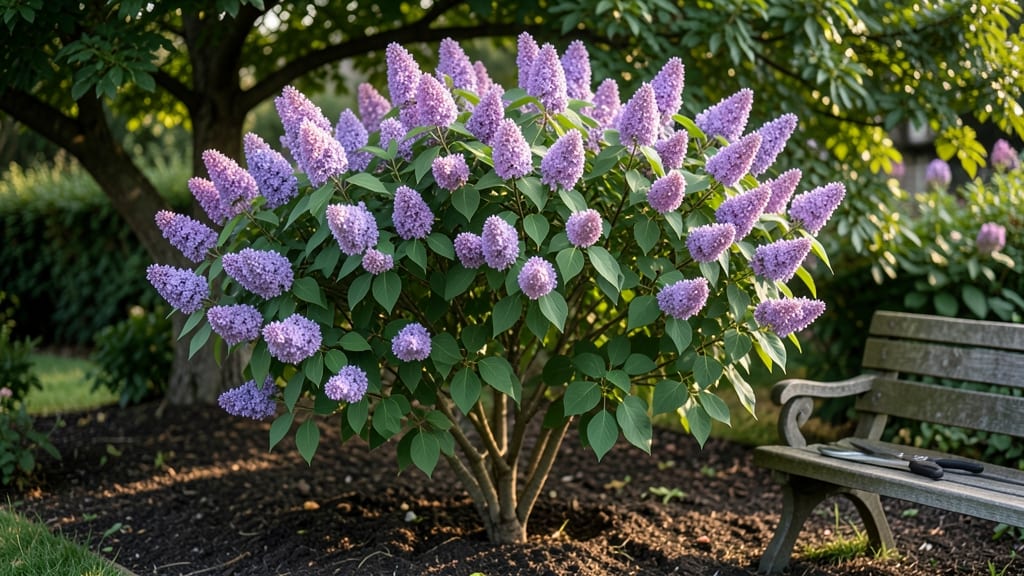
Growing lilacs in part shade unlocks their sweetest fragrance where full sun might scorch them. 🌿 I’ve watched these hardy shrubs thrive under the dappled light of mature trees—producing lush foliage and clusters of blooms that perfume the air long after the flowers fade.
The key isn’t fighting their natural preferences but working with them, from soil prep to strategic pruning.
Start with well-draining soil mixed with compost, and plant where they’ll get morning sun and afternoon shade—think east-facing spots or the shelter of a large oak. Water deeply once a week (more in summer heat), and mulch to keep roots cool.
Most gardeners overlook pruning, but shaping them right after flowering keeps them compact and blooming better each year.
You’ll end up with a fragrant, low-maintenance shrub that outshines sun-loving varieties in shady spots. The blooms stay vibrant longer, the scent lingers stronger, and you avoid the wilting that plagues lilacs in hot, exposed areas. Plus, their glossy leaves add texture to shady gardens where other shrubs struggle.
Pair them with hostas, ferns, or astilbes for a layered look, and avoid planting near aggressive roots that compete for nutrients. With the right spot, lilacs in part shade become the star of your garden—without the fuss of full-sun care.
📚 In This Guide
- What you need
- Instructions
- Tips and common mistakes
- Wrapping up and next steps
What you need
- ● Lilac plants: Choose Syringa varieties suited for part shade (e.g., S. meyeri or S. oblata). Buy 1–3 bare-root or potted plants, depending on your garden size.
- ● Well-draining soil: Mix 1 part native soil with 1 part compost (or peat moss for heavier clay). Aim for a pH of 6.0–7.0.
- ● Organic mulch: 2–3 inches of shredded bark, wood chips, or pine needles to retain moisture and suppress weeds.
- ● Slow-release fertilizer: A 10-10-10 or 5-10-5 blend (apply 2–3 tablespoons per plant at planting time).
- ● Watering can or hose: With a gentle spray nozzle for deep watering (avoid overhead sprinklers to prevent fungal issues).
- ● Garden trowel or spade: For digging holes 2–3 times wider than the root ball.
- ● Gloves: Heavy-duty gardening gloves to protect against thorns and rough bark.
- ● Pruners: Bypass pruners (sterilized with rubbing alcohol) for shaping after planting.
- ○ Staking (optional but helpful): 3–4 ft bamboo stakes + soft plant ties for young or top-heavy varieties.
- ● Part-shade location: A spot with 3–6 hours of dappled sunlight (e.g., under deciduous trees or near a north-facing wall).
- ● 🌡️ Test your soil—lilacs hate soggy roots! Amend with perlite or sand if drainage is poor.
- ● ✨ Plant in early spring or fall to avoid extreme heat or cold stress.
- ● 🎯 Space plants 6–10 feet apart (depending on mature size) for airflow and fragrance impact.
Step-by-Step guide to planting lilacs in part shade
Here’s how to give your fragrant lilacs the perfect dappled-light home for years of blooms.
🌱 Step 1: Choose the Right Location and Prepare the Soil
Lilacs love part shade—think 4-6 hours of morning sun and afternoon shade from trees or buildings. Avoid deep shade, or your plant will struggle to flower. I dig a hole twice as wide as the root ball but only as deep—lilacs hate being buried too deep, which can rot their stems.
Mix the existing soil with 2-3 inches of compost to loosen it up. Lilacs prefer well-draining, slightly acidic soil (pH 6.0-7.0). If your soil is heavy clay, add a shovel of sand or perlite to improve drainage. The goal is soil that feels like a damp sponge—not soggy, not powder-dry.
🪴 Step 2: Plant Your Lilac with Care
Gently remove the lilac from its container and tease the roots apart if they’re circling. Place it in the hole so the top of the root ball sits level with the ground—never mound soil against the trunk. Lilacs grow slowly, so don’t rush planting; take time to position it just right.
Backfill with the amended soil, pressing lightly to remove air pockets. Water deeply to settle everything in. The soil should feel moist but not waterlogged—think of a wrung-out sponge. Mulch around the base with 2-3 inches of organic mulch (like shredded bark), keeping it 3 inches away from the trunk to prevent rot.
☀️ Step 3: Water and Fertilize for Strong Growth
Water your lilac once a week for the first month, then taper to every 2 weeks once established. Overwatering is the #1 killer—lilacs hate wet feet. You’ll know it’s time to water when the top 2 inches of soil feel dry. A moisture meter helps, but stick your finger in first—it’s free and reliable.
In early spring, before new growth starts, spread ½ cup of 10-10-10 fertilizer around the base. Lilacs don’t need much—too much nitrogen makes them leafy but flowerless. After blooming, give them a light feeding again. Avoid fertilizing in fall—it encourages tender new growth that won’t survive winter.
✂️ Step 4: Prune for Health and More Blooms
Prune lilacs right after flowering (late spring/early summer) to shape them and encourage next year’s blooms. Remove dead, crossing, or weak branches first. Then cut back old wood to a healthy bud—this keeps the plant bushy. Never prune in fall or winter; lilacs bloom on old wood, and you’ll cut off next year’s flowers.
If your lilac gets too leggy, you can prune up to a third of the oldest stems at the base. Just don’t overdo it—lilacs are patient and will recover slowly. After pruning, give it a drink of water to help it bounce back. You’ll see new growth within 2-3 weeks—that’s your sign it’s healing well.
🌿 Step 5: Protect and Enjoy Year-Round
Lilacs are tough but appreciate a little winter care. In late fall, add 2-3 inches of mulch to insulate roots. If you live in a Zone 5 or colder, wrap young lilacs with burlap to shield them from harsh winds. They’ll thank you with more blooms next spring.
Watch for aphids or borers—spray with neem oil if you spot them early. Lilacs rarely need pesticides, but a quick check after rain keeps pests in check. Once established, they’re low-maintenance stars. Sit back and enjoy the sweet fragrance—that’s the real reward!
Tips & tricks for perfect lilac planting in part shade
These simple tricks will help your lilacs thrive in dappled light and reward you with years of fragrant blooms.
Location Matters: When choosing your spot, prioritize the 4-6 hours of morning sun mentioned in Step 1. Morning light is gentler than afternoon sun, which can stress lilacs. If your yard only gets afternoon shade, position the plant so it faces east—this gives it the best chance to capture those crucial morning rays. I've seen lilacs in western-facing spots struggle to bloom as heavily because the afternoon heat can be too intense.
Soil Preparation Tip: The 2-3 inches of compost you mix into the soil is non-negotiable for happy lilacs. But here's what nobody tells you—if your soil is sandy, add an extra inch of compost to help retain moisture. For clay-heavy soil, mix in a shovel of perlite before adding compost to improve drainage. I learned this the hard way after watching a lilac in heavy clay struggle with root rot.
Planting Depth Secret: Getting the planting depth right is crucial—burying too deep suffocates the plant while too shallow exposes roots. The instructions say to place the root ball so its top sits level with the ground, but here's my extra tip: Gently press the soil around the edges to create a slight well. This helps water pool around the roots during those first critical weeks after planting.
Pruning Timing: The instructions mention pruning right after flowering, but I've found that timing is everything. If you're in a region with late blooming lilacs, wait until mid-summer to prune—this gives the plant time to set next year's flower buds. And here's a pro move: After pruning, water deeply and apply a thin layer of mulch around the base to protect the fresh cuts from disease.
Pro Tips for Lilac Part Shade
- These simple tricks will help your lilacs thrive in dappled light and reward you with years of fragrant blooms.
- Location Matters: When choosing your spot, prioritize the 4-6 hours of morning sun mentioned in Step 1.
- Soil Preparation Tip: The 2-3 inches of compost you mix into the soil is non-negotiable for happy lilacs.
Frequently asked questions
Got questions about growing lilacs in part shade? You’re not alone—these fragrant beauties can be a little finicky! Here are answers to the most common concerns to help you nurture thriving blooms in dappled light.
What exactly does "part shade" mean for lilacs?
Part shade for lilacs typically means 3–6 hours of morning sun and dappled shade the rest of the day. Avoid deep shade (like under dense trees) or harsh afternoon sun, which can stress the plant. Think of it like a cozy reading nook—bright but not scorching!
How long does it take for lilacs to bloom in part shade?
Patience is key! Established lilacs (planted for 2–3 years) usually bloom reliably in part shade, though they may produce fewer flowers than those in full sun. Younger plants might take 3–5 years to reach peak blooming. Prune wisely in late summer to encourage next year’s flowers.
Can I grow lilacs in full shade? Will they still bloom?
Lilacs can survive in full shade, but expect sparser blooms and leggy growth. If your yard is shady, choose a north-facing spot or supplement with a reflective surface (like a white wall) to bounce extra light. Varieties like ‘Miss Kim’ tolerate shade better than others.
Why are my lilac leaves yellowing in part shade?
Yellowing leaves often signal overwatering, poor drainage, or nutrient deficiencies. Check the soil—it should be moist but not soggy. Amend heavy clay with compost and avoid wet feet. If yellowing persists, test for iron deficiency (common in alkaline soils) and apply chelated iron if needed.
Do lilacs need special care after flowering?
Yes! Once blooms fade, prune spent flowers to shape the plant and encourage next year’s buds. Avoid heavy pruning in fall or winter—wait until late summer (after blooming). Feed with a balanced fertilizer (10-10-10) in early spring to support vigorous growth.
Still stumped? Drop your lilac woes in the comments—we’re happy to help you troubleshoot!
Wrapping up and next steps
Lilacs in part shade are a dream come true for gardeners craving fragrant, low-maintenance blooms without the fuss of full-sun care. With the right soil, spacing, and a little patience, these hardy shrubs will reward you with stunning colors and intoxicating scents year after year. 🌸
Ready to transform your garden? Start by selecting the perfect variety for your climate, then plant with confidence—your future blooms will thank you! For extra inspiration, browse our guide on lilac pruning tips or explore companion plants to create a showstopping border.