
Light Requirements
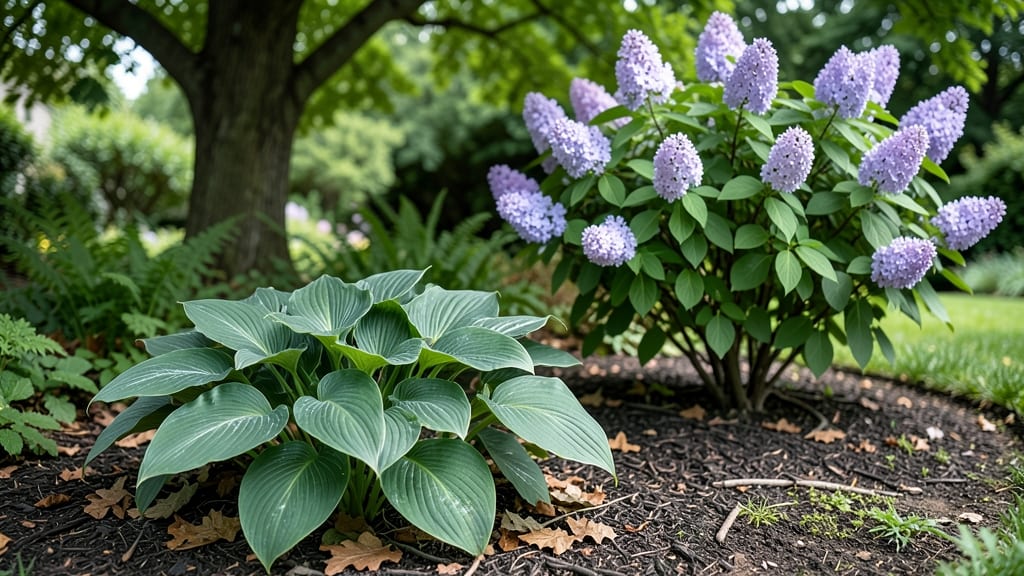
Lilacs can grow in shade but need at least 4-6 hours of sunlight daily for best blooms. Dwarf types like 'Miss Kim' or 'Little League' handle partial shade better, while traditional varieties may produce fewer flowers and weaker stems in deep shade.
Lilacs thrive in sunlight, but their adaptability depends on the variety and shade type. 🌿 Partial shade (morning sun or filtered light) works better than dense shade, which can lead to leggy growth and sparse blooms.
I've seen 'Miss Kim' lilacs flourish in 4-5 hours of morning sun with afternoon shade, while standard types often need more light to develop strong stems. The key is balancing light exposure—too little reduces flowering, while too much shade weakens the plant's overall vigor.
For optimal results, choose shade-tolerant varieties and supplement with well-draining soil and regular watering. Even in lower light, lilacs still need good air circulation to prevent fungal issues. If you're working with deep shade, consider dwarf varieties or positioning them near a light source like a south-facing wall.
💡 In This Article
- How Shade Affects Lilac Growth and Flowering
- Best Shade-Tolerant Lilac Varieties for Low-Light Gardens
How shade affects lilac growth and flowering
Lilacs rely on sunlight to power their photosynthesis engine, where chlorophyll converts light into energy for growth and flowering. When deprived of adequate light, these plants struggle to produce enough glucose, which directly impacts their ability to develop strong stems and abundant blooms.
Studies show that lilacs exposed to less than 4 hours of direct sunlight daily may produce up to 50% fewer flowers due to reduced energy reserves. The lack of light also weakens the plant's structural integrity, leading to floppy stems that can't support heavy flower clusters.
The type of shade matters significantly. Partial shade—where lilacs receive morning sun and afternoon shade—allows them to maintain better health than deep shade conditions. In deep shade, lilacs often develop a condition called "etiolation," where stems grow long and weak while leaves become pale and sparse.
This happens because the plant stretches toward any available light, diverting energy away from flower production. Even in partial shade, you'll notice the blooms are smaller and less vibrant compared to fully sun-exposed plants.
Flowering in lilacs is controlled by hormones like florigen, which requires sufficient light exposure to trigger blooming.
When light levels drop below 3-4 hours daily, the plant's internal clock gets disrupted, delaying or preventing flower buds from forming. 🌸 This is why dwarf varieties like 'Miss Kim' perform better in shade—their genetic makeup allows them to compensate for lower light with more efficient energy use.
Standard lilacs, however, often prioritize survival over flowering when light is limited.
Another critical factor is leaf quality. In shade, lilac leaves tend to become thinner and less dense, reducing their ability to perform photosynthesis effectively. The chlorophyll content drops, making leaves appear lighter green or even yellowish in extreme cases.
This weakened foliage is more susceptible to pests and diseases, creating a vicious cycle where poor light leads to weaker plants that struggle to recover. Proper pruning and fertilization can help mitigate these effects, but they can't fully compensate for inadequate light.
Consider this scenario: A 'Katherine Havemeyer' lilac in full sun will produce 10-12 inches of fragrant blooms on strong stems, while the same variety in deep shade might only yield 3-4 inches of sparse flowers on weak stems.
The difference comes down to energy allocation—the plant simply doesn't have enough resources to invest in both growth and abundant flowering when light is limited.
For gardeners working with shade, the solution lies in selecting varieties bred for lower light conditions and supplementing with reflective surfaces or nearby light sources. Even a simple white wall or light-colored mulch can help bounce additional light onto the plant, improving its overall health and flowering potential.