
Shrubs
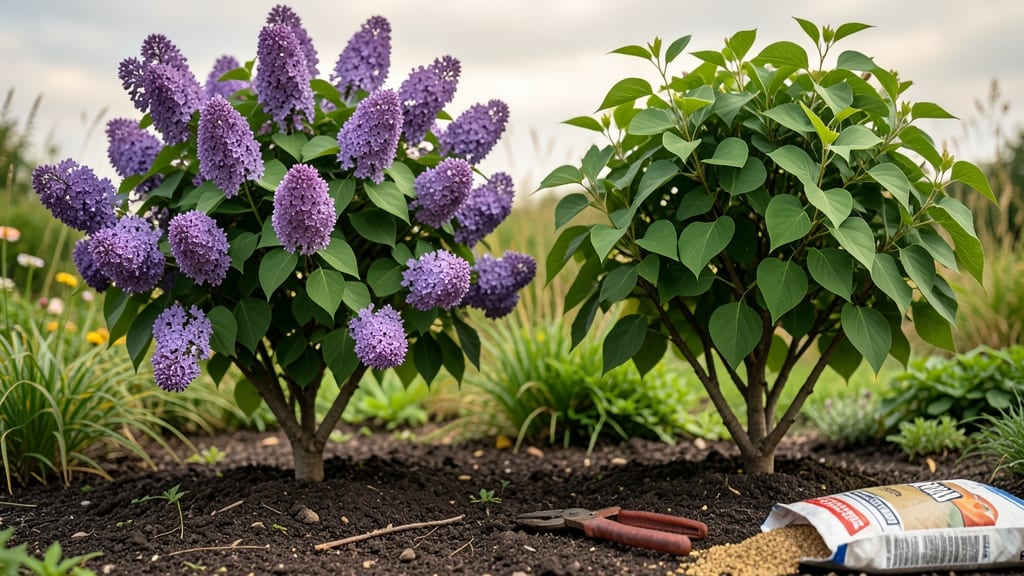
Lilacs thrive in sun or shade 🌸, but the right variety makes all the difference in your garden’s blooms.
Struggling to grow fragrant lilacs that thrive in your garden’s tricky light conditions? The right variety can transform your yard into a blooming paradise—whether it’s basking in full sun or tucked into a shady corner.
Many gardeners assume lilacs need full sun, but some stunning cultivars actually prefer partial shade, especially in hotter climates.
In this guide, I’ll break down the best-performing lilac varieties for sun and shade, including their fragrance strength and bloom duration. You’ll also discover how to adjust soil, watering, and pruning to maximize flowers in any light condition—no guesswork required.
Whether you’re working with a bright border or a dappled woodland edge, these tips will help you grow healthier, more vibrant lilacs that reward you with reliable spring blooms year after year.
 Best Window Placement
Best lilac varieties for sun-loving gardens
If you're dreaming of a garden bursting with fragrant lilac blooms that thrive under the sun, you're in the right place. Sun-loving lilacs not only produce the most vibrant flowers but also offer intense fragrance that fills your yard with springtime charm.
The key lies in selecting the right varieties that flourish in full sun to partial shade, with some even tolerating afternoon shade in hot climates.
For gardeners in USDA Zones 3-7, where lilacs are most popular, the right variety can mean the difference between sparse blooms and a showstopping display. Classic lilacs like 'Katherine Havemeyer' and modern hybrids like 'Black Beauty' are perfect for sunny spots, while newer cultivars extend blooming seasons and resist common pests.
Let's explore the top sun-loving lilacs that will transform your garden into a fragrant paradise.
🌸
| Variety | Sunlight Needs | Fragrance Intensity | Bloom Time | Mature Height | Notes |
|---|---|---|---|---|---|
| 'Katherine Havemeyer' | Full sun to partial shade | Very strong | Mid to late spring | 6-8 ft | Classic purple blooms, disease-resistant |
| 'Black Beauty' | Full sun | Strong | Mid spring | 8-12 ft | Deep purple-black flowers, long blooming |
| 'Dwarf Korean Lilac' | Full sun to partial shade | Moderate | Late spring | 3-5 ft | Compact size, great for containers |
| 'Bloomerang' | Full sun | Very strong | Mid spring + rebloom | 6-8 ft | Reblooms in summer, disease-resistant |
| 'Mme. Lemoine' | Full sun to partial shade | Very strong | Mid to late spring | 8-10 ft | Pink blooms, highly fragrant |
One of the most beloved sun-loving lilacs is 'Katherine Havemeyer', a classic variety that produces vibrant purple blooms with an intoxicating fragrance. This disease-resistant shrub thrives in full sun to partial shade, making it ideal for gardens with varying light conditions.
Its mid-to-late spring blooming period ensures your garden stays fragrant for weeks.
For those who love dramatic color contrasts, 'Black Beauty' is a standout choice. This variety features deep purple-black flowers that create a stunning focal point in sunny garden beds.
It requires full sun for optimal growth and produces a strong fragrance that fills the air during its mid-spring blooming season.
If space is limited, consider the 'Dwarf Korean Lilac', a compact variety perfect for containers or small gardens. This sun-loving lilac tolerates partial shade and produces delicate lavender blooms in late spring. Its moderate fragrance makes it a charming addition to patios and balconies.
For gardeners who want extended blooming seasons, 'Bloomerang' is a game-changer. This modern hybrid not only blooms in mid-spring but also produces a second flush of flowers in summer. Its disease resistance and strong fragrance make it a top pick for sun-loving gardens.
Don't overlook 'Mme. Lemoine', a fragrant pink lilac that thrives in full sun to partial shade. Its vibrant blooms and intoxicating scent make it a favorite for wedding bouquets and cut flower arrangements.
Planting this variety near seating areas ensures you can enjoy its sweet fragrance while relaxing outdoors.
When planting sun-loving lilacs, ensure they receive at least 6 hours of direct sunlight daily for best results. Well-draining soil and regular pruning after blooming will encourage healthy growth and abundant flowers. With the right variety and care, your garden will be a fragrant oasis that neighbors will envy.
🌿
Shade-tolerant lilac varieties for low-light spots
Not all lilacs need full sun to shine! While most varieties crave sunlight, some shade-tolerant lilacs thrive in partial or deep shade, making them perfect for under trees or north-facing yards.
My favorite low-light performers include 'Miss Kim', a compact dwarf with vibrant blooms, and 'Arctic Snow', which handles deep shade better than most. These varieties prove that lilacs can bloom beautifully even where sunlight is scarce.
Before planting, test your shade spot's light intensity. Dappled shade (filtered light) works best, but deep shade (less than 3 hours of sunlight) requires extra care—like amending soil with compost and choosing dwarf varieties for easier maintenance.
My top 3 shade-tolerant picks all deliver fragrance and color without demanding full sun, so you won’t miss out on that classic lilac charm.
Shade-Tolerant Lilacs: Pros & Cons
- Thrives in partial shade (4-6 hours sun)
- Fragrant blooms even in low light
- Compact sizes fit small spaces
- Less watering needed than sun-lovers
- Fewer blooms than full-sun varieties
- Requires rich, moist soil
- Slower growth in deep shade
- Pruning needed to encourage air flow
Let’s start with 'Miss Kim', the dwarf lilac queen that reaches just 3-4 feet tall. This Korean lilac handles partial shade beautifully while packing lavender-pink blooms in late spring. My secret? Mix compost into the soil before planting to give it a nutrient boost.
For deep shade, pair it with 'Arctic Snow', a white-blooming variety that tolerates even 3 hours of sunlight daily.
Soil prep is key for shade-loving lilacs. Amend your soil with organic matter like compost or well-rotted manure to improve drainage and fertility. Test your soil’s pH—lilacs prefer 6.0-7.0. If your yard is heavy clay, add sand or perlite to prevent waterlogging.
I’ve seen 'Miss Kim' thrive in container gardens with a well-draining potting mix, proving these varieties are adaptable beyond just in-ground planting.
Pruning shade-tolerant lilacs differs slightly from sun-lovers. After blooming, trim dead flowers to encourage next year’s blooms, but avoid heavy pruning—these varieties already grow slower in shade. Focus on removing crossing branches to improve airflow and reduce disease risk.
My rule? Prune in late summer to avoid cutting off next year’s flower buds, which form on old wood.
For maximum blooms in shade, fertilize lightly in early spring with a balanced 10-10-10 fertilizer. Over-fertilizing can lead to leafy growth at the expense of flowers. Water deeply once a week, ensuring the soil stays moist but not soggy.
Mulch around the base with wood chips or straw to retain moisture and regulate soil temperature—critical for shade-dwelling lilacs.
Don’t let limited sunlight stop you from growing lilacs! With the right shade-tolerant variety and a little extra care, you’ll enjoy fragrant blooms year after year, even in the shadiest corners of your garden.
Try 'Miss Kim' or 'Arctic Snow' this spring, and watch your low-light spots transform into a scented paradise. 🌿