
Orchid Care
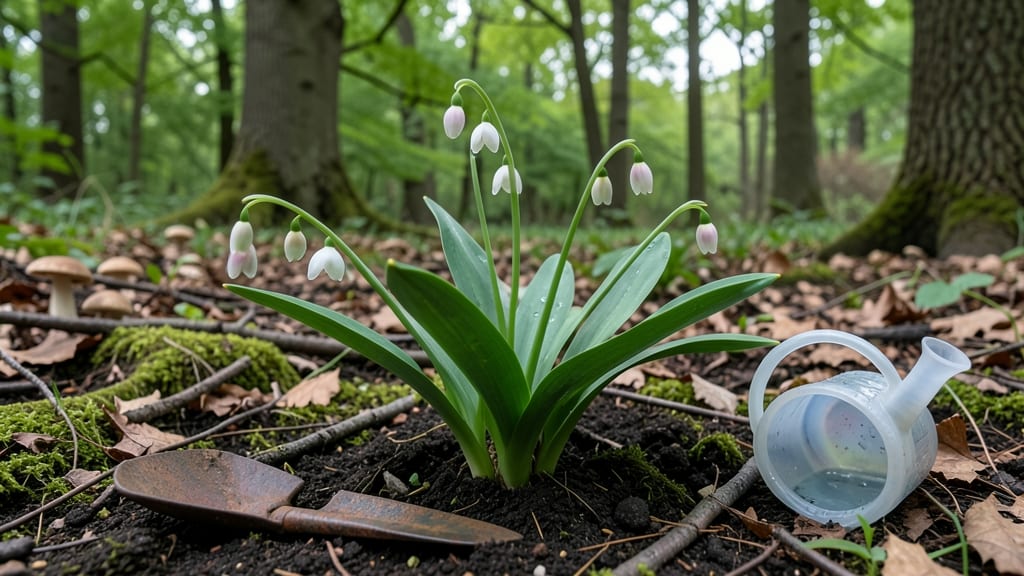
Lily of the valley thrives in shade or sun with just the right balance—too much of either can turn your fragrant blooms into a struggle.
Picture this: your 🌸 lily of the valley spreading across a woodland garden, its delicate white bells perfuming the air—only to wilt under harsh afternoon rays or languish in dense shade. The secret lies in understanding its partial shade tolerance, a sweet spot that keeps it happy year-round.
This shade-tolerant perennial (ideal for USDA Zone 6a) prefers dappled sunlight or filtered light, but it can handle morning sun or even full shade if the soil stays consistently moist.
The key? Avoiding the brutal midday sun that can scorch its leaves or the suffocating darkness that stunts its growth.
In this guide, I’ll walk you through the best sunlight conditions, how to spot signs of light stress, and even which companion plants pair perfectly with your lily of the valley for a thriving garden spot.
 Best Window Placement
Ideal sunlight conditions for lily of the valley growth and blooming
If you're wondering whether your lily of the valley thrives in sun or shade, the answer lies in its natural woodland habitat. This fragrant perennial prefers partial shade—typically 2-6 hours of morning sunlight—while avoiding harsh afternoon rays that can scorch its delicate leaves.
The key is mimicking its native environment where dappled light filters through tree canopies.
In my own garden, I’ve found that planting lily of the valley under deciduous trees or along north-facing foundations creates the perfect microclimate. The morning sun jumpstarts growth, while the afternoon shade prevents stress. This balance is crucial for healthy foliage and abundant spring blooms that perfume the air.
Regional adaptations are key when growing lily of the valley. In hot, dry climates like USDA Zone 8-10, prioritize afternoon shade to prevent leaf burn. I’ve seen lily of the valley planted under oak or maple trees thrive where direct afternoon sun would otherwise stress the plant.
Meanwhile, in cooler climates like Zone 4-6, it can tolerate slightly more sun, especially if the soil stays consistently moist.
For container gardening, place your lily of the valley near a north-facing window or under a patio umbrella to filter sunlight. Avoid south-facing windows where intense rays can cause leaf bleaching.
In my experience, containers dry out faster, so morning sun with afternoon shade works best to maintain moist, well-drained soil.
One common mistake is assuming full shade is always ideal. While lily of the valley tolerates shade, too little light leads to leggy growth and fewer blooms.
The plant needs some sunlight to photosynthesize and produce energy for flowering. I’ve revived struggling plants by moving them to a sunnier spot—just not direct afternoon sun.
To maximize blooming potential, aim for 4-6 hours of filtered light daily. This could mean morning sun paired with dappled shade from nearby foliage.
In my garden, I’ve noticed that lily of the valley planted near hostas or ferns gets just enough light to thrive without competing for resources.
If you’re in a woodland garden, create layers with taller shade trees overhead and understory plants like lily of the valley on the forest floor. This mimics its natural habitat and ensures optimal sunlight exposure.
For urban gardens, consider vertical planting on a north-facing trellis where indirect light reaches the plant.
Remember, lily of the valley is a low-maintenance perennial, but its light requirements directly impact its health and blooming. By providing the right balance of sun and shade, you’ll reward yourself with years of fragrant, bell-shaped flowers that spread effortlessly in the garden.
Signs your lily of the valley isn’t getting the right light exposure
If your lily of the valley plants look less than vibrant, the culprit might be light exposure. This delicate perennial thrives in partial shade, but too much sun or too little can send warning signals.
Watch for yellowing leaves, which often indicate over-exposure, or pale, sparse foliage, a sign of under-exposure. Even the blooms can suffer—fewer flowers or weak stems are classic light-related issues.
Another red flag is stunted growth. When lily of the valley doesn’t get enough light, it may produce long, leggy stems as it stretches toward any available sunlight. Conversely, scorched leaves or crispy edges mean your plant is baking in direct sun.
These symptoms aren’t just cosmetic—they can weaken your plant’s overall health and reduce its fragrant blooms next season.
⚠️ Light Exposure Warning Signs for Lily of the Valley
Too Much Sun: Brown, crispy leaf edges; bleached or yellowed foliage; reduced blooming.
Too Little Sun: Pale, weak stems; sparse, leggy growth; fewer flowers.
Ideal Fix: Move to dappled shade (e.g., under deciduous trees) or morning sun only. Test your garden’s microclimates by observing how nearby plants thrive.
To diagnose your garden’s light conditions, spend a day observing your lily of the valley’s spot. Use a light meter (or a simple phone app) to measure lux levels—ideal ranges are 10,000–20,000 lux for partial shade.
If readings are below 10,000 lux, your plant is likely under-lit. For over-exposure, look for readings above 30,000 lux during peak sun hours.
Adjusting care is easier than you think. If your plant is sunburned, provide afternoon shade with a lightweight shade cloth or relocate it to a north-facing spot. For under-exposed plants, gradually introduce more light by moving them to a sunnier but still shaded area over a few weeks.
Avoid sudden changes, which can shock the plant and cause stress.
Mulching can also help regulate soil temperature and moisture, which are critical for light-stressed plants. Use organic mulch like shredded bark or leaf litter to protect roots from heat stress in sunny spots or cold drafts in shady areas.
Always keep mulch 2–3 inches away from stems to prevent rot.
Remember, lily of the valley is a low-maintenance plant, but it does need the right balance. With the correct light exposure, you’ll reward yourself with lush foliage and abundant, fragrant blooms year after year. Pay attention to these signs, and your garden will thank you!