
Planting
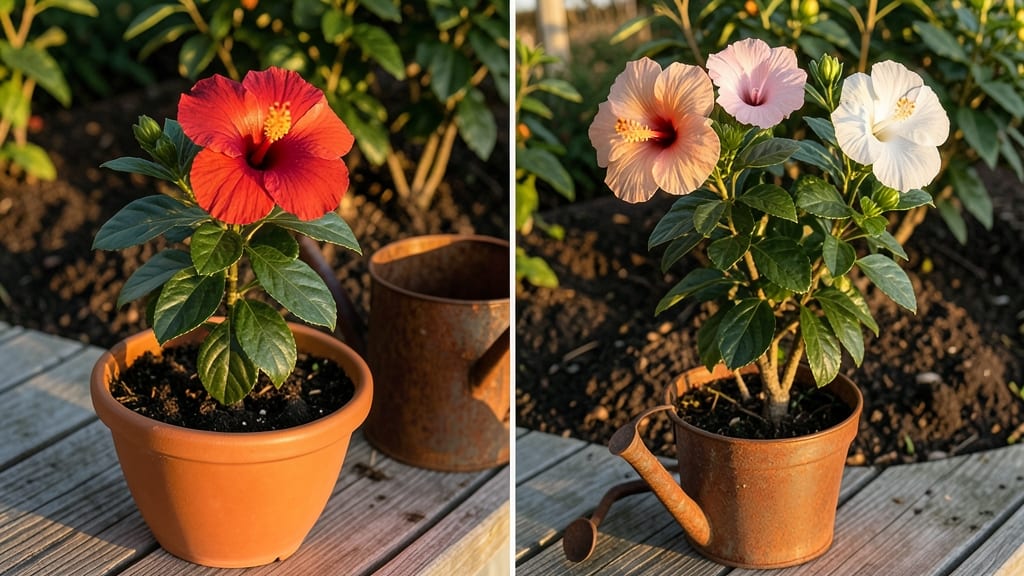
Hibiscus plants thrive in full sun, but I’ve learned the hard way that too much shade means fewer blooms. 🌿 The secret lies in balancing light exposure—most varieties need 6-8 hours of direct sun daily to produce those showstopping flowers, but afternoon shade helps in hot climates like mine in Texas.
That said, hibiscus can adapt to partial shade if you adjust care. In shadier spots, focus on well-draining soil and regular feeding to compensate for reduced sunlight. My indoor hibiscus (Hibiscus rosa-sinensis) does fine near an east-facing window, but it blooms best when moved outside in spring.
You’ll notice the difference in just a few weeks: vibrant blooms on sun-loving plants, while shade-adapted ones stay lush but may skip flowering. The key is observing your plant’s response—drooping leaves or sparse blooms are clues to adjust light or care.
For indoor growers, a grow light can mimic sunlight, but outdoor hibiscus will always outperform indoors. Whether you’re dealing with full sun or dappled shade, small tweaks make all the difference.
📚 In This Guide
- What you need
- Instructions
- Tips and common mistakes
- Wrapping up and next steps
What you need
- ● Hibiscus plant(s): 1-3 mature plants (choose tropical or hardy varieties based on your climate).
- ● Well-draining potting mix: 5-10 gallons (or enough to fill your container). Look for a blend labeled for acid-loving plants or amend regular soil with perlite/peat moss (1:1 ratio).
- ● Container or garden bed: Containers: 15-20 gallon pots (for dwarf varieties) or 30+ gallons for large tropical hibiscus (ensure drainage holes!).
- ● Garden beds: A sunny or partially shaded spot with loose, fertile soil (amend with compost if needed).
- ● Fertilizer: Balanced fertilizer (10-10-10): 1-2 tablespoons per plant (monthly during growing season).
- ○ Acid-loving plant food (e.g., citrus blend): Optional but ideal for tropical hibiscus (follow label instructions).
- ● Mulch: 2-3 inches of organic mulch (e.g., pine bark or shredded leaves) to retain moisture and regulate soil temp.
- ● Watering can or hose with nozzle: A gentle spray setting to avoid damaging delicate blooms.
- ● Pruning shears: Sharp, clean pair (sterilize with rubbing alcohol between cuts).
- ○ Support stakes or trellis: Optional for tall varieties (e.g., hardy hibiscus) to prevent flopping.
- ● Shade cloth: 30-50% coverage for hot climates (use during peak sun hours if your hibiscus prefers partial shade).
- ● Soil pH test kit: To ensure your mix is slightly acidic (pH 6.0-6.5 for tropical hibiscus).
- ● Slow-release fertilizer pellets: Mix into soil at planting for steady nutrition.
- ● Humidity tray: For indoor hibiscus (place pebbles + water under the pot to increase moisture).
- ● Plant food with bloom boosters: Like fish emulsion or hibiscus-specific formulas (use sparingly).
How to position hibiscus for maximum blooms
Here’s the light strategy I’ve perfected over years of growing hibiscus—because the right spot makes all the difference between sporadic blooms and year-round color.
☀️ Step 1: Identify Your Hibiscus Type and Native Needs
Hibiscus species fall into two main categories: tropical (like Hibiscus rosa-sinensis) and hardy (like Hibiscus syriacus). Tropical hibiscus crave 6+ hours of direct sun daily—they’re sun worshippers from Southeast Asia. Hardy hibiscus, however, tolerate morning sun and afternoon shade, making them ideal for northern climates or hot afternoons.
Check your plant’s leaves: if they’re deep green and glossy, it’s likely tropical. If they’re lighter green with a matte finish, it’s probably hardy. This distinction determines where you place it. I always verify by researching the specific cultivar—some hybrids bridge the gap but still lean toward one preference.
🌿 Step 2: Scout Your Yard for the Perfect Spot
Start by observing your yard’s sun patterns. Use a sun mapping tool or simply track sunlight for a week: mark areas that receive full sun (6+ hours), partial shade (3-6 hours), and full shade (under 3 hours). Tropical hibiscus need the full-sun zones, while hardy types thrive in partial shade with morning light.
Watch for microclimates too—south-facing walls, patios, or even large trees create pockets of heat or shade. I’ve seen hibiscus struggle in spots that seem sunny but get blocked by neighboring plants or structures. If your yard has intense afternoon sun, consider a lightweight shade cloth (30-50%) for tropical hibiscus to prevent leaf scorch.
💧 Step 3: Prepare the Soil for Light-Dependent Growth
Hibiscus roots need well-draining soil whether in sun or shade. For tropical hibiscus in full sun, amend the soil with 2-3 inches of compost and a handful of perlite or sand to prevent compaction. Hardy hibiscus in partial shade benefit from organic matter like leaf mold to retain moisture without suffocating roots.
Test your soil’s pH—hibiscus prefer 6.1-6.5. If your soil is too alkaline, mix in sulfur or peat moss to lower the pH gradually. I’ve seen hibiscus in heavy clay soil struggle until I improved drainage, so don’t skip this step. Mulch with 2-3 inches of wood chips to regulate soil temperature and conserve moisture.
✂️ Step 4: Adjust Care Based on Light Exposure
Sun-loving hibiscus need regular watering (1-2 inches per week) and monthly fertilizer with high phosphorus (like 10-20-10) to encourage blooms. In partial shade, reduce watering slightly (1 inch per week) and switch to a balanced fertilizer (10-10-10) to avoid leafy growth at the expense of flowers.
Prune strategically: in full sun, cut back leggy growth to encourage bushier, bloom-heavy stems. In partial shade, focus on removing dead or crossing branches to improve air circulation. I prune tropical hibiscus after blooming season (late winter) and hardy hibiscus in early spring—this timing prevents late-season flowers from freezing.
⏰ Step 5: Monitor and Adapt Through the Seasons
Hibiscus light needs shift with seasons. In summer, tropical hibiscus may need afternoon shade if temperatures exceed 90°F. Move potted hibiscus to a shaded patio or use a temporary shade cloth. Hardy hibiscus, meanwhile, may benefit from morning sun only in peak summer heat.
Watch for signs of stress: yellow leaves indicate overwatering or poor drainage, while brown edges mean too much sun or drought. Adjust your approach—if blooms dwindle, it’s often a sign of insufficient light or nutrients. I keep a journal of my hibiscus’s response to light changes, which helps me fine-tune care year after year.
Tips & tricks for perfect hibiscus placement
Between us, the right light placement is where hibiscus magic happens—or where it fails spectacularly. Here’s what I’ve learned after years of trial and error with these dramatic plants.
Leaf Color Clues: That deep green, glossy leaf? Tropical hibiscus in disguise. Lighter, matte leaves? Hardy hibiscus that’ll handle partial shade like a champ. I’ve had clients swear their "hardy" hibiscus was tropical—until we checked the leaves and moved it to full sun. The blooms came back within weeks. This simple visual test saves hours of guesswork.
Sun Mapping Hack: Use a simple whiteboard or chalkboard to track sunlight patterns for a week. Mark the hours of direct sun each spot gets—this reveals hidden microclimates where hibiscus might thrive. I’ve found south-facing walls create unexpected sun pockets perfect for tropical hibiscus, while north-facing areas work beautifully for hardy types. A week’s observation beats years of trial and error.
Soil Prep Secrets: For tropical hibiscus in full sun, mix in that 2-3 inches of compost and perlite—it’s not just about drainage, it’s about creating an airy root environment that mimics their native tropical soils. Hardy hibiscus in partial shade? Leaf mold is your best friend—it retains moisture while preventing compaction. I’ve seen hibiscus in heavy clay soil struggle until I improved drainage with these amendments.
Seasonal Light Adjustments: Summer heat above 90°F changes everything. Tropical hibiscus in pots? Move them to shaded patios or use temporary shade cloth. Hardy hibiscus might need morning sun only during peak heat. I keep a small fan nearby when temperatures spike—just a gentle breeze helps prevent leaf scorch while maintaining humidity levels these plants crave.
Pro Tips for Hibiscus Plant Shade Or Sun
- Between us, the right light placement is where hibiscus magic happens—or where it fails spectacularly.
- Leaf Color Clues: That deep green, glossy leaf?
- Sun Mapping Hack: Use a simple whiteboard or chalkboard to track sunlight patterns for a week.
Frequently asked questions
Got questions about keeping your hibiscus thriving in sun or shade? We’ve got answers!
Can hibiscus grow in full shade?
Hibiscus plants prefer full sun (6+ hours daily), but some varieties like Hibiscus moscheutos (swamp hibiscus) tolerate partial shade. In deep shade, expect fewer blooms and leggy growth. If shade is unavoidable, choose a spot with morning sun and dappled afternoon light for best results.
How do I know if my hibiscus isn’t getting enough sun?
Watch for these signs: stretched stems, small or no flowers, and yellowing leaves. If your plant looks sad and sparse, move it to a sunnier spot gradually (over 1–2 weeks) to avoid shock. Pro tip: Rotate the pot occasionally for even sun exposure.
Does shade affect hibiscus flower color or size?
Yes! Sunlight boosts vibrant colors and larger blooms. In shade, flowers may fade faster or appear smaller and paler. For tropical hibiscus (like Hibiscus rosa-sinensis), ensure bright, indirect light to maintain richness. A grow light can help indoors.
How long does it take for hibiscus to adjust to a new light spot?
Be patient! Hibiscus can take 2–4 weeks to acclimate to a new light level. During this time, water consistently (but avoid overwatering) and monitor for stress. If leaves wilt or drop, the transition might be too drastic—try a gradual move over days.
Are there shade-tolerant hibiscus varieties?
Try these low-light-friendly options:
- Hardy hibiscus (Hibiscus moscheutos): Tolerates partial shade, great for USDA zones 5–9.
- Rose of Sharon (Hibiscus syriacus): Thrives in morning sun + afternoon shade.
- Dwarf hibiscus (Hibiscus rosa-sinensis ‘Mini Me’): Ideal for indoor shade gardens.
For tropical hibiscus, supplemental grow lights can mimic sunlight if natural light is limited.
Wrapping up and next steps
Whether you’re a seasoned gardener or just starting your green thumb journey, hibiscus plants thrive with the right balance of sun and shade—and now, you’ve got the secrets to keep them blooming beautifully! 🌿 From tropical climates to cooler zones, understanding their light needs is your ticket to vibrant, year-round flowers.
Ready to put your new knowledge into action?
Start by assessing your garden’s sunlight patches, then plant with confidence. Need a little extra help? Experiment with mulching, pruning, or even a temporary shade cloth to fine-tune the perfect spot. Your hibiscus will thank you with bold, colorful blooms all season long—happy gardening! 🌸