
Trees
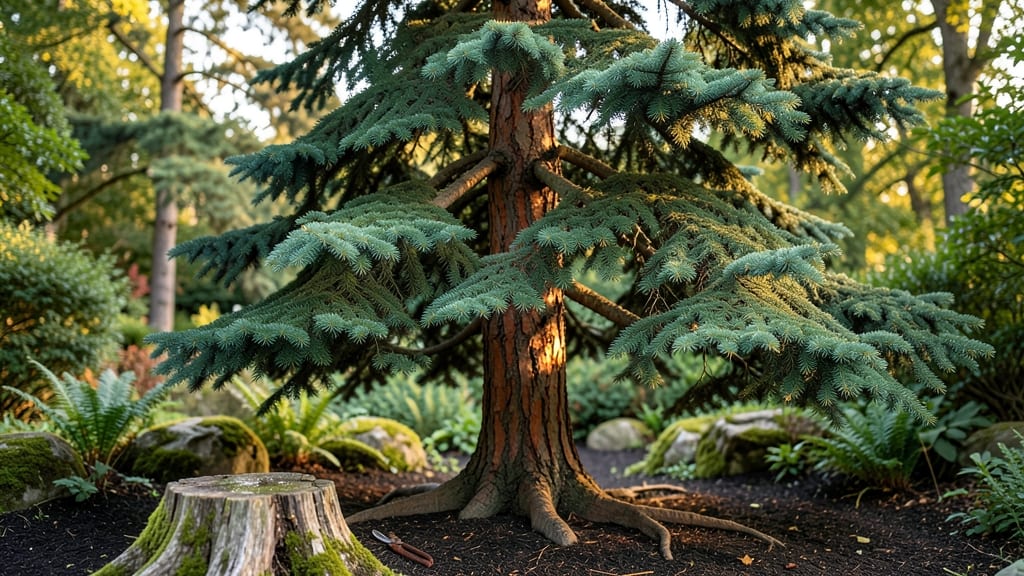
Finding shade trees that actually thrive in the Pacific Northwest's deep shadows feels like discovering a hidden treasure. 🌲 I've planted enough struggling shade trees to know the difference between a tree that just tolerates shade and one that truly loves it—like the native vine maple or Pacific yew that grow lush and green where others just yellow and fade.
The secret isn't just picking the right species—it's matching their natural habits to your site. Most of these trees handle the region's damp winters and acidic soils beautifully, but spacing matters: give them 15-25 feet of room to avoid root competition with shrubs or lawns.
I've seen vine maples create stunning privacy screens in just five years when planted in tight clusters.
What you end up with is year-round greenery that blocks wind, cools your home, and provides wildlife habitat without the maintenance headaches. The Pacific yew stays dense and dark, while vine maple offers delicate foliage that catches the light through branches.
Both handle pruning like champs and resist pests that plague other evergreens.
Perfect for creating natural privacy screens, framing patios, or adding structure to woodland gardens. These trees grow well in zones 5-8 and handle everything from coastal fog to inland shade—once you know which ones to choose and how to plant them right.
Let's get to the best options for your Northwest yard.
📚 In This Guide
- What you need
- Instructions
- Tips and common mistakes
- Wrapping up and next steps
What you need
- ● Shade-tolerant evergreen trees: Choose from species like Alnus rubra (Red Alder), Thuja plicata (Western Red Cedar), or Tsuga heterophylla (Western Hemlock). Quantity: 3–5 mature trees (spaced 10–15 ft apart) for full coverage.
- ● High-quality soil amendment: 2–3 bags of compost or peat moss per tree (improves drainage in dense shade).
- ● Organic mulch: 2–3 cubic yards of wood chips or pine straw (retains moisture and suppresses weeds).
- ● Slow-release fertilizer: 10–20 lbs of balanced 10-10-10 or acidic fertilizer (for conifers).
- ● Watering supplies: Hose with soaker nozzle or drip irrigation kit (essential for deep watering).
- ● 5–10 gallons of water per tree (first 2 weeks post-planting).
- ● Digging tools: Shovel (round-point or spade for planting holes).
- ● Garden trowel (for root adjustments).
- ● Measuring tools: 25-ft tape measure (for spacing) and stakes (to mark planting locations).
- ● Safety gear: Gloves (gardening or work gloves), knee pads, and sunscreen (Northwest shade can still be sunny!).
- ○ Optional but helpful: Root stimulator (for faster establishment).
- ● Tree stakes & ties (if planting young saplings).
- ● Pruners (for shaping or removing dead branches).
- ● Site assessment: Test soil pH (ideal: 4.5–6.0 for most NW evergreens) with a soil kit or local extension service.
- ● Permits: Check local regulations—some areas require approval for large trees.
- ● Timing: Plant in early spring or fall (avoid summer heat or winter frost).
- ● Neighbor coordination: Confirm property lines and discuss with neighbors if trees will overhang.
Instructions for planting Northwest shade trees
Here's how to plant shade trees that thrive in the Pacific Northwest's damp, low-light conditions.
🪴 Step 1: Choose the Right Tree for Your Space
For deep shade, focus on evergreens like Western red cedar, Satinwood, or Bigleaf maple—they tolerate moisture and partial shade better than most. Measure your space: mature trees need 15-25 feet of clearance from structures and sidewalks. I always check the tree's growth rate too—fast growers like Douglas fir give privacy quicker but may need pruning sooner.
Dig a hole twice as wide as the root ball but only as deep—planting too deep suffocates roots. Loosen the soil at the bottom with your shovel to encourage root spread. The hole should be moist but not soggy; if it's dry, water it thoroughly 24 hours before planting to prevent shock.
☀️ Step 2: Prepare the Planting Site
Amend the native soil with 3 inches of compost mixed into the bottom of the hole—this improves drainage and provides nutrients. For clay-heavy soils common in the Northwest, add 10% perlite or coarse sand to help roots establish faster. I avoid chemical fertilizers at planting; they can burn tender roots and encourage weak growth.
Place the tree in the hole so the top of the root ball sits 1-2 inches above ground level. This prevents settling and potential rot. Fill the hole halfway with native soil, then water deeply to remove air pockets. Let the water drain completely before backfilling—this ensures roots get oxygen right away.
💧 Step 3: Plant and Water Deeply
Spread the remaining soil evenly around the root ball, tamping gently with your foot to remove air gaps. Create a 2-foot-wide watering basin at the base by mounding soil outward—this directs water to the roots where it's needed most. Mulch with 3-4 inches of wood chips, keeping it 6 inches away from the trunk to prevent rot.
Water immediately after planting with 10-15 gallons of water, enough to soak the root zone completely. In the first year, water once a week during dry spells (even the Northwest gets droughts). You'll know it's enough when water runs out the basin's edges—this tells you the roots are getting moisture.
🌿 Step 4: Stake and Protect Young Trees
Stake only if your tree is tall or in a windy spot—most Northwest shade trees don't need support. If staking, use two stakes on opposite sides, tied loosely with soft fabric strips (never wire, which can girdle the trunk). The goal is to let the tree sway slightly in wind—this strengthens the trunk naturally.
Protect the trunk from rodents and voles with a hardware cloth collar buried 6 inches deep around the base. These pests are common in the damp Northwest and will gnaw young bark. Water deeply again in 7-10 days to encourage root growth into the surrounding soil.
Tips & tricks for perfect Northwest shade trees
Between us, planting shade trees in the Pacific Northwest can feel like a gamble—will they thrive or just wilt in the damp shadows? These small adjustments make all the difference.
Tree Selection Wisdom: When choosing between Western red cedar, Satinwood, or Bigleaf maple, consider your space's long-term needs. Western red cedar grows slowly but lives for centuries, while Douglas fir provides quick privacy but may need pruning every few years. I always check the nursery tag for growth rates—this tells you exactly how fast that 6-foot tree will become a 30-foot privacy screen.
Soil Prep Secret: The 24-hour watering tip before planting is non-negotiable, but here's what nobody tells you: if your soil is particularly dense (common in clay-heavy Northwest yards), add a handful of mycorrhizal fungi to the bottom of the hole. These beneficial microbes help roots absorb nutrients faster—think of them as nature's fertilizer boost. Just sprinkle them over the loosened soil before placing the root ball.
Watering Technique: That 10-15 gallon initial watering is crucial, but the real trick is the 2-foot-wide basin you create. Fill it completely so water pools around the edges—this forces roots to spread outward rather than staying clustered around the trunk. After the first week, reduce to once every 10-14 days unless we're in a heatwave (then go back to weekly). Overwatering is just as bad as underwatering in our damp climate.
Staking Strategy: Most Northwest shade trees don't need stakes, but if your yard gets windy gusts or you're planting a tall species, use two stakes on opposite sides tied with soft fabric. The key is to let the tree sway—this strengthens the trunk naturally. I've seen trees with wire ties that cut into the bark; fabric strips are gentler and do the job just as well.
Pro Tips for Northwest Shade Trees
- Between us, planting shade trees in the Pacific Northwest can feel like a gamble—will they thrive or just wilt in the damp shadows?
- Tree Selection Wisdom: When choosing between Western red cedar, Satinwood, or Bigleaf maple, consider your space's long-term needs.
- These beneficial microbes help roots absorb nutrients faster—think of them as nature's fertilizer boost.
Frequently asked questions
Got questions about choosing and caring for northwest shade trees? You’re not alone! Here are some of the most common concerns—and straightforward answers—to help you pick the perfect evergreen for your deep-shade garden.
What are the best shade-tolerant evergreen trees for the Pacific Northwest?
Top picks include Alaska Cedar, Western Red Cedar, Oregon Myrtle, and Holly Fern Trees. These thrive in deep shade (under 2–3 hours of sunlight) and handle the region’s damp, cool climate. For faster privacy, opt for Thuja plicata (Western Red Cedar)—it grows 3–4 feet per year!
How long does it take for a shade tree to grow into a privacy screen?
Most northwest shade trees take 5–10 years to reach full privacy height (8–12 feet). Fast growers like Leyland Cypress (if planted in partial shade) can close gaps in 3–5 years. Patience pays off—deep-rooted evergreens last decades with minimal care!
Do shade trees need extra watering in the Pacific Northwest’s rainy climate?
Not usually! Once established, most shade-tolerant evergreens thrive on natural rainfall. However, newly planted trees need weekly deep watering (1–1.5 inches) for the first year. Mulch heavily (3–4 inches) to retain moisture and protect roots from temperature swings.
Can I plant a shade tree under existing trees or near foundations?
Yes, but choose non-invasive roots like Oregon Myrtle or Holly Fern Trees. Avoid Douglas Fir or Grand Fir—their roots can damage sidewalks or pipes. For foundations, plant 3–5 feet away and monitor for root competition. Shallow-rooted options (like Thuja) are safest!
Will shade trees survive the Pacific Northwest’s wind and frost?
Native northwest shade trees are hardy to USDA Zones 5–8 and handle wind, salt spray (coastal areas), and light frost. Prune in late winter to encourage dense growth. Western Red Cedar and Alaska Cedar are especially resilient—they’ve been doing this for centuries!
Pro Tip:
Struggling with yellowing needles? Overwatering or poor drainage might be the culprit. Amend soil with compost and ensure well-draining beds. For pests (like spider mites), spray with neem oil in early summer. Most shade trees are low-maintenance once established!
Wrapping up and next steps
Choosing the right northwest shade trees can transform your outdoor space into a lush, private retreat—even in the trickiest shadows! From the rugged Alaska Cedar to the elegant Bigleaf Maple, these evergreens thrive where others falter, offering year-round beauty and serenity.
Whether you’re tackling a dense corner or a sun-starved yard, the perfect tree is out there waiting for you.
Ready to take the next step? Start small:
- 🌱 Sketch your space—measure sunlight, soil, and any obstacles.
- 📞 Call a local nursery for soil-testing tips or expert advice.
- 🛒 Pick 1-2 trees to trial in pots before planting.