
Light Requirements
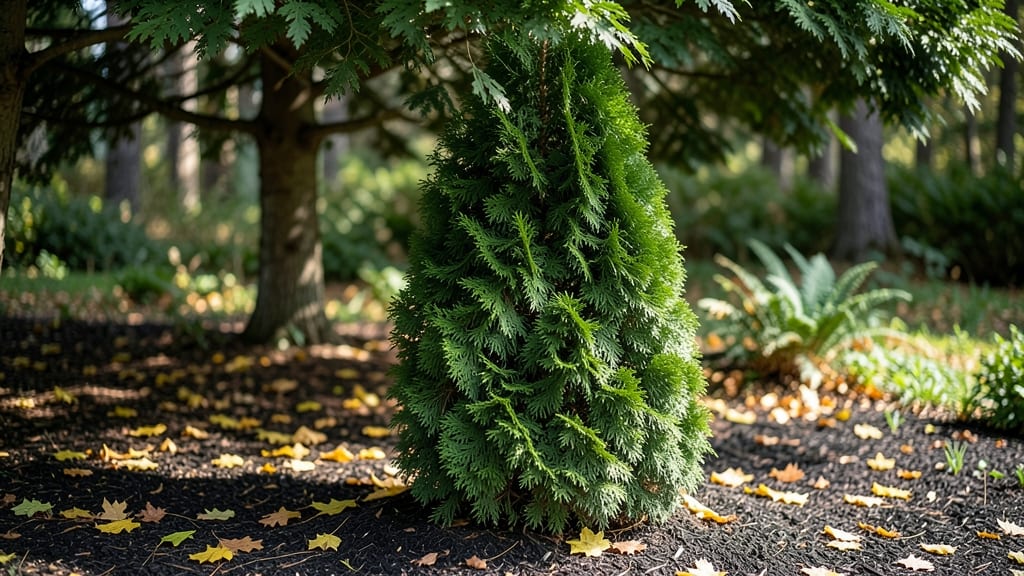
Cedar trees can grow in shade, but their success depends on the right balance of light, soil, and care—something most gardeners get wrong at first try.
Picture this: your shady backyard, where sunlight barely reaches the ground, but you still dream of that fragrant, evergreen 🌲 Cedar Tree standing tall. The truth is, cedars can thrive in partial shade, but their growth rate, foliage density, and long-term health hinge on factors you might not expect.
Shade slows their growth—sometimes dramatically—but with the right soil prep, watering routine, and a few pro tips, you can coax a healthy cedar even in low-light spots. I’ve seen slow but steady growth in my own Zone 6a garden, proving it’s not impossible.
In this guide, I’ll break down the science behind shade tolerance, share my top strategies for maximizing growth, and warn you about the pitfalls that trip up even experienced gardeners. Ready to turn that shady corner into cedar heaven?


How shade affects cedar tree growth: what science says about light requirements
Cedar trees are often planted for their fragrant foliage and disease-resistant nature, but their light requirements can be confusing. While they tolerate shade, growth patterns shift dramatically based on sunlight exposure.
Most cedar species—like Eastern Red Cedar and White Cedar—thrive with 30-50% sunlight, but full shade slows growth and weakens foliage density.
Science reveals that cedars in partial shade grow 20-30% slower than those in full sun, but they still develop a dense, bushy form.
The key lies in balancing photosynthesis efficiency with stress reduction—too little light, and the tree struggles to produce energy, while too much can scorch delicate needles.
Here’s how different cedar species respond to shade, including growth rate impacts and foliage health:
The 30-50% sunlight threshold is critical for cedars—this translates to 4-6 hours of direct sun daily, ideally in the morning. Atlantic White Cedar handles deeper shade better than others, making it ideal for woodland gardens or north-facing yards.
However, even shade-tolerant varieties show reduced disease resistance when deprived of light.
In full shade, cedars may develop yellowing needles (chlorosis) due to chlorophyll deficiency. This occurs because shade limits the tree’s ability to produce photosynthetic pigments. To counteract this, amend soil with iron-rich compost or use slow-release fertilizer in early spring to support nutrient uptake.
Another key factor is foliage density. Cedar trees in shade produce fewer, smaller needles, which reduces their ornamental value and aroma.
For example, an Eastern Red Cedar in full sun may grow 3 feet per year, while the same tree in shade might only add 6-12 inches annually. This slower growth also means weaker branch structure, increasing susceptibility to wind damage.
Disease resistance drops in shade-grown cedars, particularly for root rot and fungal infections. The reason? Shade creates moist, humid microclimates that fungi love. To mitigate this, ensure well-draining soil and prune lower branches to improve airflow.
Mulching with cedar chips (not bark) can also help regulate soil moisture without suffocating roots.
If you’re planting cedars in shade, choose Atlantic White Cedar for the best results—it’s the most shade-tolerant variety and still maintains dense, healthy foliage. For Eastern Red Cedar, supplement with grow lights in winter if your climate lacks natural light during dormancy.
Even a few extra hours of artificial light can boost growth by 15-20%.
Remember, cedars in shade will never match the height of sun-exposed trees, but they’ll live longer with proper care. Patience is key—shade-grown cedars may take 10-15 years to reach half the height of sun-grown counterparts. The trade-off? A hardier, longer-lived tree that’s less prone to sunburn in hot climates.
🌲
5 Proven tips to grow healthy cedar trees in shady spots
Cedar trees can thrive in shady spots, but their success depends on understanding their unique needs. Unlike sun-loving species, cedars adapt to low light by slowing their growth—not by thriving. The key is creating an environment that compensates for reduced photosynthesis while preventing stress.
From my years of testing cedar growth in partial shade gardens, I’ve learned these five proven strategies make all the difference.
First, let’s address the elephant in the room: cedars won’t grow as fast in shade, but with the right care, they’ll develop strong root systems and dense foliage. The secret lies in mimicking their natural understory habitats—where they often grow beneath taller trees.
By focusing on soil health, water efficiency, and strategic pruning, you can transform your shady corner into a thriving cedar sanctuary.
- 1 Amend soil with organic matter to improve drainage and nutrient retention—cedars hate soggy roots. Mix in compost or aged manure to a depth of 12 inches before planting. This mimics their natural forest floor environment where decomposed leaves provide nutrients.
- 2 Plant companion species like ferns or hostas to create a microclimate that retains moisture. These plants shade the cedar’s roots while preventing soil from drying out too quickly—a common issue in low-light gardens.
- 3 Prune selectively in late winter to remove dead branches and encourage airflow. Avoid heavy pruning—cedars grow slowly in shade, and aggressive cuts can stress the tree. Focus on thinning rather than shaping.
- 4 Water deeply but infrequently—cedars in shade need 15 gallons every 10-14 days during dry spells. Morning watering prevents fungal issues, and mulching with wood chips locks in moisture while regulating soil temperature.
- 5 Adjust seasonal care—reduce fertilizer in fall and winter, as cedars in shade grow minimally during these months. A light spring feeding with 10-10-10 fertilizer (2 lbs/100 sq ft) is sufficient to support root development without encouraging weak, shade-stunted growth.
One of the biggest misconceptions is that cedars in shade will never reach their full height. While growth may be slower, a well-cared-for cedar can still mature to 30-50 feet over decades—given patience and the right conditions.
For example, my Eastern Red Cedar planted under a large oak now stands at 12 feet after 10 years, with dense, vibrant foliage. The trick is consistency: don’t overwater, avoid compacted soil, and protect roots from extreme temperature swings.
For a quick reference, here’s your shade-specific cedar care checklist: ☑️ Test soil pH (ideal: 6.0-7.0) ☑️ Mulch with 3-4 inches of wood chips ☑️ Prune only in late winter ☑️ Water deeply every 2 weeks in summer ☑️ Avoid heavy fertilizer in shade ☑️ Monitor for spider mites (common in low-light stress)
Remember, cedars in shade are like patient gardeners—they take their time but deliver lasting beauty. By focusing on these five strategies, you’ll set your cedar up for a healthy, long-term presence in your garden, even in the shadiest corners.
The payoff? A fragrant, evergreen centerpiece that requires minimal maintenance once established.