
Lawn
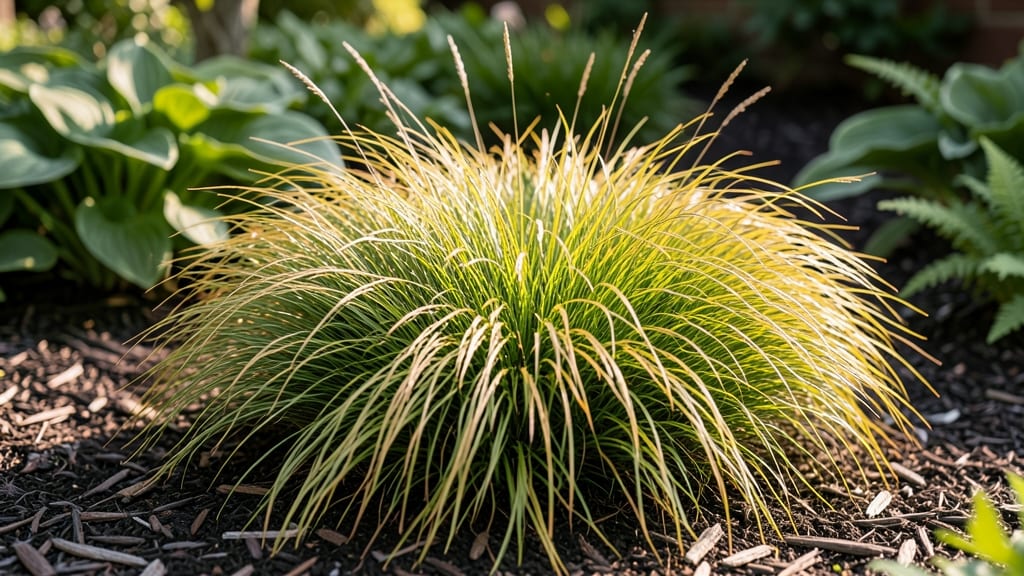
Ornamental grasses for shaded areas finally give you the movement and texture you crave without the sun requirements. 🌿 My first year planting Carex oshimensis in a north-facing border proved that shade-loving grasses aren't just survivors—they're showstoppers with arching foliage that dances even in dappled light.
The secret lies in their arching forms and variegated stripes—plants like Hakonechloa macra or Miscanthus 'Gracillimus' add height and drama where sun-loving perennials struggle.
Pair them with hostas and ferns for a lush, layered look that thrives in partial shade, and you'll have a garden that feels alive year-round without demanding full sun.
You'll end up with a garden that feels alive even on cloudy days, where grasses sway gently and their silvery-blue or golden hues contrast beautifully with deep green foliage. The best part? These grasses handle humidity, drought spells, and even winter frost better than most shade plants.
Works in woodland gardens, courtyard borders, or even container arrangements for patios. Here's how to make them the star of your low-light spaces without the usual sun struggles.
📚 In This Guide
- What you need
- Instructions
- Tips and common mistakes
- Wrapping up and next steps
What you need
- ● Ornamental grass plants: Choose shade-tolerant varieties like Carex oshimensis, Hakonechloa macra, or Miscanthus sinensis. Buy 3–5 plants per 10 sq. ft. for full coverage.
- ● High-quality potting soil: 5–10 gallons (mix with 20% perlite or compost for drainage).
- ● Organic mulch: 2–3 cubic feet (shredded bark or pine needles to retain moisture).
- ● Slow-release fertilizer: 10–12 oz (look for a 10-10-10 NPK ratio or a balanced organic option).
- ● Garden gloves & knee pads: For comfort and protection.
- ● Garden trowel or spade: For digging holes 2–3 times wider than the root ball.
- ● Watering can or hose with a gentle spray nozzle: Shade plants need consistent moisture—aim for 1–1.5 inches per week.
- ● Pruners (sterilized): For trimming dead foliage or overgrowth.
- ● Measuring tape: To space plants 12–24 inches apart (check plant tags for specifics).
- ○ Optional but helpful: Soil pH test kit (ideal range: 5.5–7.0 for most ornamental grasses).
- ● Edging tool: For clean borders around your new grassy patches.
- ● Plant labels: To track varieties and care needs.
- ● Location assessment: Confirm your area gets . Partial shade (dappled light) is ideal!
- ● Soil prep: Loosen soil to 12 inches deep and amend if clay-heavy (add compost or sand).
- ● Weather check: Plant in spring or early fall to avoid extreme heat or frost.
Step-by-step guide to planting ornamental grass in shaded gardens
Here's how I transform shady spots into lush, textured landscapes using the right shade-tolerant grasses.
🌱 Step 1: Select the Right Shade-Tolerant Grass Varieties
Not all ornamental grasses thrive in low light, so I focus on proven performers like Hakonechloa macra (Japanese forest grass), Carex oshimensis (evergreen sedge), or Miscanthus sinensis 'Malepartus' (dwarf zebra grass). These varieties tolerate 2-4 hours of morning sun and dappled shade the rest of the day without losing their signature form.
Check plant tags for specific light requirements—some grasses labeled "partial shade" actually need at least 4 hours of filtered light daily. I always test a small area's shade pattern first: if the sun never reaches it, even for a few hours, opt for grasses like Carex comans (blue fox sedge) that handle deep shade better.
🪴 Step 2: Prepare the Planting Site for Moisture-Retentive Soil
Shade-loving grasses often need consistently moist soil, so I amend the planting area with 2-3 inches of organic compost mixed into the top 6 inches of native soil. This improves drainage while retaining moisture—critical for grasses that wilt easily in dry shade. I avoid heavy clay soils unless I'm adding 50% perlite or coarse sand to prevent root rot.
Dig holes twice as wide as the root ball but only as deep as the container's base. Loosen the sides of the hole with a garden fork to encourage root spread. If your soil drains poorly, create a 2-inch raised mound in the hole center to prevent water pooling around the crown.
☀️ Step 3: Plant at Correct Depth and Spacing for Airflow
Remove the grass from its container and tease the roots gently if they're circling. Place the plant so the top of the root ball sits ½ inch below soil level—this ensures stability without burying the crown too deep. I use my finger to create a small well around the roots, then fill it with soil while pressing lightly to eliminate air pockets.
Space plants according to their mature width: 12-18 inches apart for clumping varieties like Carex, and 24-36 inches for spreading types like Hakonechloa. Proper spacing prevents overcrowding, which leads to weak stems and fungal issues in humid shade. Water deeply after planting to settle the soil and remove any air gaps.
💧 Step 4: Water and Mulch for Consistent Moisture
Water newly planted grasses every 2-3 days until they establish roots, which takes 4-6 weeks. Check moisture by pressing your finger 1 inch into the soil—if it feels dry, water again. Use a soaker hose or drip irrigation to deliver water at the base without wetting the foliage, which reduces disease risk.
Apply 2-3 inches of shredded bark mulch around each plant, keeping it 3 inches away from the stem. This conserves moisture, regulates soil temperature, and suppresses weeds. I reapply mulch annually in late winter to maintain its protective layer as the grass emerges.
✂️ Step 5: Prune and Maintain for Seasonal Health
In early spring, cut back any dead foliage to 2-3 inches above the ground, but leave the new growth untouched. This encourages fresh shoots while preventing disease from lingering debris. For grasses like Miscanthus, I wait until late winter to cut back, as the dried plumes provide winter interest.
Fertilize lightly in early spring with a balanced 10-10-10 formula applied at half strength. Shade-tolerant grasses don't need much food—over-fertilizing leads to weak growth and flopping. I avoid fertilizing in late summer, as new growth won't harden off before winter.
Tips & tricks for perfect ornamental grass in shaded gardens
These practical insights will help you avoid common pitfalls and maximize the beauty of your shade-tolerant grasses.
Variety Selection: When choosing between clumping types like Carex and spreading varieties such as Hakonechloa, consider your garden's long-term growth patterns. Clumping grasses like Carex oshimensis create neat, defined mounds that work beautifully in containers or as edging plants, while spreading types like Miscanthus sinensis 'Malepartus' add dramatic movement and texture. I've found that testing a small area's shade pattern first—using a simple stake and marking sun exposure throughout the day—saves time and prevents costly mistakes later.
Soil Preparation: The 2-3 inches of organic compost mixed into the top 6 inches of soil is non-negotiable for shade-loving grasses. If your native soil is particularly heavy clay, I recommend adding an extra 50% perlite or coarse sand to improve drainage without compromising moisture retention. For container planting, use a mix that's 60% organic matter, 30% perlite, and 10% vermiculite to replicate ideal growing conditions.
Planting Depth: The half-inch below soil level placement is crucial—this ensures stability while preventing crown rot from water pooling. I always use my finger to create a small well around the roots before filling with soil, which eliminates air pockets that can cause transplant shock. For container-grown plants, gently tease the roots if they're circling to encourage outward growth rather than root-bound behavior.
Maintenance Timing: The 4-6 week establishment period is when most grass failures occur. During this time, I monitor soil moisture by pressing my finger 1 inch deep—if it feels dry, water immediately. After establishment, most shade grasses only need supplemental water during prolonged dry spells. For mulching, I apply the 2-3 inches of shredded bark annually in late winter, keeping it 3 inches away from stems to prevent moisture-related diseases.
Pro Tips for Ornamental Grass For Shaded Areas
- These practical insights will help you avoid common pitfalls and maximize the beauty of your shade-tolerant grasses.
- Variety Selection: When choosing between clumping types like Carex and spreading varieties such as Hakonechloa, consider your garden's long-term growth patterns.
- Soil Preparation: The 2-3 inches of organic compost mixed into the top 6 inches of soil is non-negotiable for shade-loving grasses.
Frequently asked questions
Got questions about adding ornamental grass to shaded spots?
You’re not alone! Here are some of the most common concerns—and their solutions—to help you create a lush, low-maintenance garden even in the shadiest corners.
What are the best ornamental grasses for deep shade?
Look for varieties like Carex oshimensis (Oshima Sedge), Hakonechloa macra (Japanese Forest Grass), or Miscanthus sinensis ‘Malepartus’. These thrive in 2–4 hours of dappled or filtered light daily and tolerate moisture-retentive soil. Avoid tall, sun-loving grasses like Pennisetum or Andropogon—they’ll flop in shade.
How long does it take for ornamental grass to establish in shade?
Most shade-tolerant grasses take 1–2 years to fill out, but some like Carex (sedges) show faster progress (6–12 months). Patience is key! Mulch with shredded leaves or compost to retain moisture and speed up root growth. Avoid overwatering—shady spots stay damp longer, which can cause rot.
Do shaded ornamental grasses need special watering?
Yes! Shade reduces evaporation, so water deeply but less frequently—about 1 inch per week (check soil moisture 2–3 inches down). Hakonechloa and Carex appreciate consistently moist (but not soggy) soil. Pro tip: Group grasses with other shade-loving plants (like ferns or hostas) to create a microclimate that retains humidity naturally.
What if my ornamental grass turns yellow or brown in shade?
Yellowing often signals overwatering or poor drainage, while brown tips may mean too little light or nutrient deficiency. Fix it by:
- Amending soil with organic matter (compost or peat moss) for better drainage.
- Fertilizing lightly in early spring with a slow-release, balanced fertilizer (10-10-10).
- Trimming dead fronds in late winter to encourage new growth.
Can I replace lawn grass with ornamental grass in shade?
Ornamental grasses are perfect for replacing struggling turf in shady areas. Here’s how to transition:
- Remove existing grass with glyphosate (if needed)
- Loosen soil and mix in compost
- Plant grass clumps 12–24 inches apart
- Mulch with wood chips
Wrapping up and next steps
Transforming shaded spots into lush, textured landscapes is easier than you think—ornamental grasses are your secret weapon! 🌿 From the delicate Carex to the bold Hakonechloa, these low-maintenance plants thrive where others falter, offering year-round beauty with minimal effort.
Whether you're a seasoned gardener or just starting, adding these grasses will elevate your outdoor space without the sun struggles.
Ready to take the next step? Start small—pick one variety that fits your shade level and soil, then expand as you see what grows best. Happy planting! 🌱