
Blooming
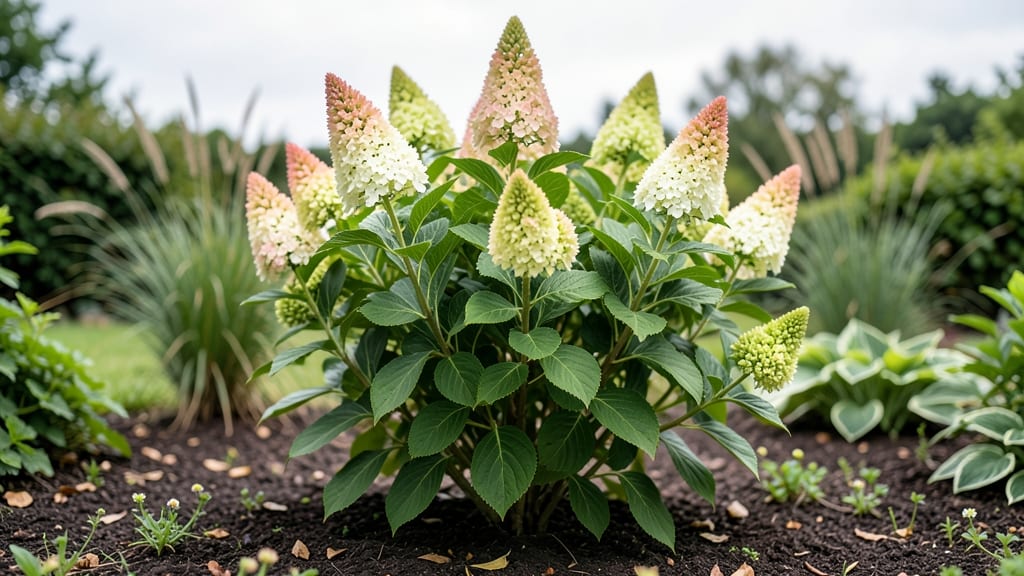
Panicle hydrangeas bloom on new wood each year, producing vibrant flowers from current-season growth rather than old stems, making them ideal for pruning flexibility and consistent blooming if cared for properly.
This unique growth habit means their flowers develop on stems that emerge in spring, giving gardeners full control over plant shape and bloom size through strategic pruning.
Unlike mophead varieties that rely on old wood, panicle hydrangeas reward proper care with larger clusters each season. 🌸 The key is timing—pruning too early can remove next year's flower buds, while waiting too long may reduce vigor.
I've found that late winter or early spring (just before new growth starts) gives the best results, allowing the plant to focus energy on both foliage and blooms.
What sets panicle hydrangeas apart is their adaptability. They'll bloom even if you prune them heavily, though the first flush might be smaller. This makes them perfect for shaping into hedges or topiaries while still delivering abundant flowers.
The trade-off? You'll need to be patient—it can take a full growing season for new stems to mature enough to produce full-size blooms.
💡 In This Article
- Why Panicle Hydrangeas Bloom on New Wood
- Pruning Tips for Encouraging New Wood Blooms
Why panicle hydrangeas bloom on new wood
Panicle hydrangeas produce flowers exclusively on new wood because their blooms develop from terminal buds—those at the very tips of current-season growth. This sets them apart from mophead varieties, which rely on old wood (stems from previous years) for flowering.
The key difference lies in plant hormones: panicle hydrangeas allocate more auxin to stem tips during spring, promoting both vegetative growth and flower bud formation simultaneously. This dual-purpose growth strategy explains why they can handle aggressive pruning without sacrificing blooms.
The timing of this process is critical. Flower buds begin forming in late summer on the current year's stems, but they remain dormant until spring's warmth triggers development. At this stage, the stems are still tender (about pencil-thick), making them vulnerable to winter damage.
That's why late winter pruning works best—it removes dead growth while preserving next year's potential blooms. The new stems that emerge in spring will carry flower buds at their tips, ready to open by midsummer.
This growth pattern creates a fascinating visual progression: first come the lush green leaves, followed by flower buds that swell into tight clusters, and finally the dramatic panicles that unfurl from bottom to top over several weeks.
The contrast with mophead hydrangeas couldn't be more striking—where mopheads might lose all blooms after heavy pruning, panicles reward proper care with larger, more abundant flowers each year. The trade-off? Their first flush of blooms tends to be smaller than subsequent ones, as the plant establishes its new growth framework.
What most gardeners don't realize is how this growth habit affects plant maturity. Younger panicle hydrangeas (under 3 years old) may produce smaller blooms because their stems haven't reached full thickness.
It typically takes 3-5 years for a plant to develop the robust stems capable of supporting large 6-12 inch panicles. This is why patience pays off—each year's pruning creates stronger framework for the following season's display. The plant's ability to redirect energy makes it remarkably resilient, even after pruning errors.
Consider the botanical mechanics: each flower bud requires about 60-90 days of growth from the time stems emerge until blooming. This means if you prune too late (after buds have formed), you risk removing next year's flowers. Conversely, pruning too early removes the current year's growth potential.
The sweet spot is late winter when the plant is still dormant but before new shoots appear—usually when daytime temperatures consistently stay above 40°F for several days. This timing window gives the plant maximum growing season to develop both stems and flowers.
The hormonal balance also explains why panicle hydrangeas often produce more flowers after pruning than unpruned plants. When you remove old growth, you stimulate the production of cytokinins—hormones that promote cell division in lateral buds. This hormonal shift results in bushier growth with more flower-bearing stems.
The result? A plant that can produce 2-3 times more blooms than its mophead cousins when properly managed. This biological advantage makes them the gardener's favorite for both structure and color.