
Blooming
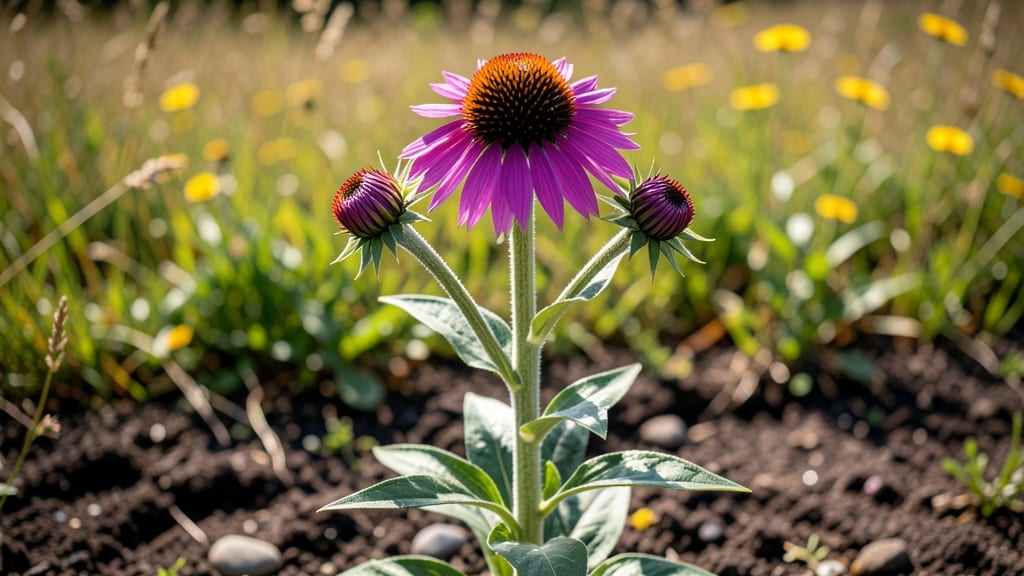
Summer-blooming perennials provide vibrant seasonal color and often return with new flowers throughout the season when given proper maintenance, such as coneflowers, black-eyed Susans, and daylilies, which excel in sunny locations with well-draining soil. Opt for heat-resistant varieties to maximize blooms and reduce the need for replanting.
These hardy plants aren't just pretty—they're designed to thrive in summer's heat and often reward gardeners with multiple blooming cycles. 🌸 The key to their reliability lies in their deep root systems, which access moisture during dry spells, and their ability to tolerate higher temperatures than many annuals.
I've found that varieties like bee balm and shasta daisies often outperform their once-blooming counterparts, especially when you remove spent flowers regularly—a practice called deadheading that encourages new growth.
What sets summer perennials apart is their ability to establish strong root systems over multiple years, making them more resilient than annuals that need yearly replanting. Many also attract pollinators, adding ecological value to your garden while providing continuous visual interest.
For example, purple coneflowers not only bloom from early summer into fall but also support bees and butterflies throughout the season.
💡 In This Article
- Why Summer-Blooming Perennials Rebloom More Reliably
- Best Summer Perennials for Low-Maintenance Gardens
Why summer-blooming perennials rebloom more reliably
Summer perennials like coneflowers and black-eyed Susans rebloom thanks to their deep root systems, which store water and nutrients during dry spells. These roots can extend 3-5 feet below the surface, accessing moisture that shallow-rooted annuals can't reach.
This adaptation allows them to continue flowering even when surface soil dries out—a critical advantage during summer's heat waves. 💫 The deeper the roots, the more resilient the plant becomes, which is why perennials often outlast annuals by years.
The science behind reblooming involves photoperiodism, where plants respond to daylight length. Most summer perennials are day-neutral, meaning they flower continuously as long as temperatures stay moderate (70-85°F). However, extreme heat or drought can trigger dormancy.
For example, coreopsis may stop blooming if daytime temps exceed 90°F for prolonged periods, while rudbeckias often rebound once cooler evenings return. This is why consistent watering (about 1 inch per week) during heatwaves is crucial for maintaining blooms.
Deadheading—removing spent flowers—is the single most effective way to encourage reblooming. When you snip off faded blooms, you prevent the plant from redirecting energy into seed production. Studies show that deadheaded perennials like daylilies can produce 30-50% more flowers over a season.
The key is to cut just above the first set of healthy leaves, which stimulates new growth from the base. I've seen purple coneflowers continue blooming from June through October with regular deadheading, while neglected plants often peter out by early August.
Heat tolerance varies significantly between perennials. Lavender and salvia thrive in full sun and dry conditions, with some varieties handling 100°F+ temperatures without wilting. In contrast, shasta daisies prefer cooler summers and may struggle in zones with prolonged heat above 85°F.
This is why choosing native or adapted species—like blanket flower—ensures better performance in hot climates. Mulching with 2-3 inches of organic matter also helps retain soil moisture and regulate root-zone temperatures.
Another factor is the plant's growth habit. Mounding perennials like black-eyed Susans develop dense foliage that shades roots, reducing moisture loss. Meanwhile, spreading types such as creeping thyme form ground covers that suppress weeds and conserve soil moisture.
The right spacing—typically 18-36 inches apart—allows air circulation, preventing fungal diseases that can weaken plants and reduce blooming. Proper spacing also ensures each plant gets adequate sunlight, which is critical for photosynthesis and flower production.
For gardeners in hot climates, selecting drought-tolerant varieties is essential. Russian sage and butterfly weed are excellent choices—they require minimal water once established and continue blooming through late summer.
Even in Zone 9 or 10, these perennials can thrive with 50% less water than traditional annuals, making them ideal for low-maintenance landscapes. The trade-off? Some may have slightly shorter bloom seasons, but their reliability and pollinator benefits often outweigh the trade-offs.
Ultimately, the secret to summer reblooming lies in understanding each plant's needs and adapting care accordingly. With the right species, proper deadheading, and consistent (but not excessive) watering, your perennial garden can stay vibrant from June through September—or even later.
The payoff? Fewer annuals to replant each year and a garden that thrives on its own resilience. 🌿