
Shrubs
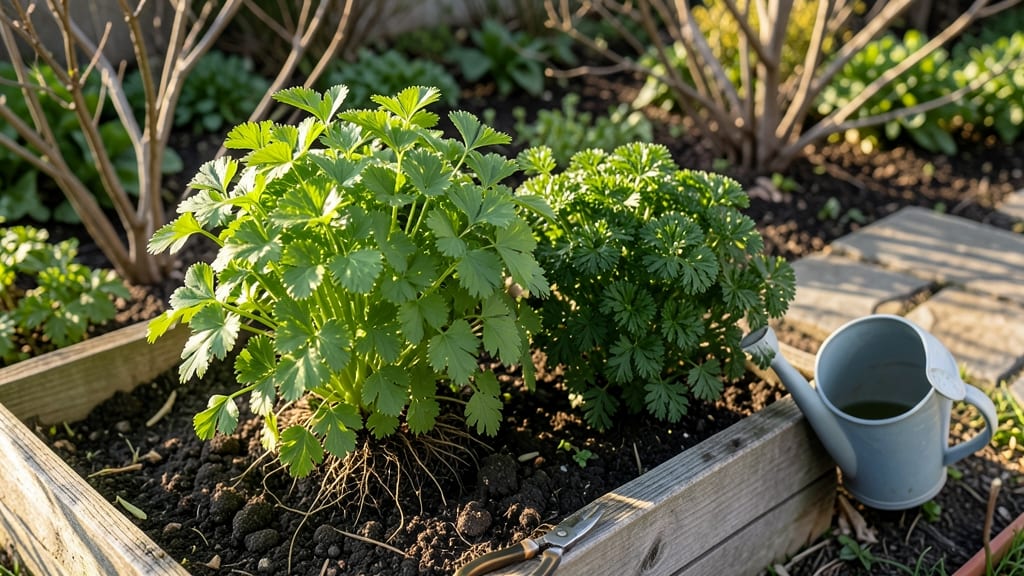
Growing parsley in shade or sun depends more on your climate than you might expect — this hardy herb actually thrives in partial shade when temperatures climb, but craves more light in cooler regions.
Picture this: your parsley 🌿 sits in a sunny spot all summer, only to bolt and flower before you’ve harvested a single leaf. That’s because parsley’s light needs shift with the seasons—and most gardeners miss the mark. The key? Balancing sun exposure to match your zone’s heat levels.
In USDA Zone 6a (like much of the Midwest), parsley handles 4-6 hours of morning sun beautifully, especially in spring and fall. But in hotter areas, afternoon shade becomes its best friend, preventing the bitter taste that comes with too much direct light.
Below, I’ll break down exactly how to adjust your parsley’s light conditions for peak flavor, whether you’re dealing with a shady corner or a sun-drenched plot. Spoiler: the answer isn’t as simple as “more sun = better.”
 Best Window Placement
Parsley light requirements: sun vs shade for optimal growth
Parsley is one of those versatile herbs that can thrive in both partial shade and full sun, but its growth speed, leaf quality, and flavor all hinge on light exposure.
As a biennial herb, parsley’s first year focuses on leaf production, making light conditions critical for maximizing your harvest. Flat-leaf parsley and curly parsley both respond similarly to light, though their growth rates may vary slightly depending on sunlight intensity.
Light isn’t just about quantity—it’s about quality. Parsley relies on chlorophyll production to convert sunlight into energy, which directly impacts leaf size, color, and nutritional value.
Too little light leads to leggy, pale stems and sparse foliage, while too much intense afternoon sun can scorch delicate leaves, especially in hot climates. The sweet spot? 4-6 hours of morning sun paired with afternoon shade.
Here’s how parsley’s light needs break down in practice, including key differences between sun and shade conditions:
In full sun, parsley grows 30-50% faster than in partial shade, producing larger, more flavorful leaves packed with vitamin K and C. However, this comes with a trade-off: intense afternoon sun can cause leaf burn, especially in USDA zones 8-10.
To mitigate this, plant parsley near structures that provide afternoon shade or use shade cloth rated for 30-50% light reduction.
For partial shade, parsley adapts by stretching toward available light, resulting in longer stems and softer leaves.
This is ideal for woodland gardens or containers on patios with dappled sunlight. Curly parsley tends to perform slightly better in partial shade than flat-leaf varieties, as its frilly edges help capture more diffuse light.
If growing indoors, position parsley within 1-2 feet of an east-facing window for optimal light exposure.
Light also affects parsley’s bolting tendency. Plants grown in too much shade may bolt prematurely in search of light, while those in hot, direct sun without adequate water may also send up flower stalks.
The key is balancing light with consistent moisture—parsley in shade requires daily watering, while sun-exposed plants need deep watering every 2-3 days to prevent stress.
If you’re growing parsley in containers, prioritize locations with morning sun and afternoon shade. A 6-inch pot works well for single plants, but ensure the container has drainage holes to prevent root rot from overwatering in low-light conditions.
For ground planting, amend soil with compost or aged manure to improve nutrient uptake, which helps parsley compensate for suboptimal light.
One common misconception is that parsley can’t grow in shade at all. While it’s true that shade-grown parsley won’t reach its full potential, it can still thrive with supplemental grow lights (LED bulbs rated for plants work best).
Place lights 6-12 inches above the plants for 12-14 hours/day to mimic natural sunlight cycles. This is especially useful for winter growing or indoor herb gardens.
To test your parsley’s light conditions, observe leaf color and growth patterns. Healthy parsley leaves should be vibrant green with a slight waxy texture, while yellowing or purpling leaves indicate too much shade or sun stress, respectively.
Adjust your plant’s position gradually—moving it too quickly between sun and shade can cause shock and stunt growth.
Remember, parsley is a cool-season crop at heart, so in hot climates, afternoon
How to grow parsley in shade: tips for maximizing yield in low-light areas
If your garden spot gets only a few hours of sunlight, don’t assume parsley won’t thrive there! While parsley prefers 4-6 hours of light daily, it adapts surprisingly well to partial shade with the right care.
The key lies in optimizing soil fertility, spacing, and companion plants to compensate for limited light. Many gardeners mistakenly think parsley needs full sun—this misconception leads to leggy, weak plants. Let’s fix that with proven shade-growing strategies.
For shade-grown parsley, focus on nutrient-rich soil and consistent moisture. Since photosynthesis slows in low light, your parsley will rely on stored energy from healthy soil. Amend your garden bed with compost or aged manure before planting to give seedlings a nutrient boost.
I’ve found that adding a slow-release organic fertilizer at planting time helps parsley establish stronger roots, which is critical for shade success.
Spacing becomes particularly important in shade. Crowded parsley plants compete for limited sunlight and nutrients, leading to smaller leaves. Space seeds 12-18 inches apart in garden beds and thin seedlings to avoid overcrowding.
In containers, plant 3-4 seeds per 12-inch pot to give roots room to spread. I’ve noticed that well-spaced parsley in shade produces thicker stems and more flavorful leaves compared to tightly packed plants.
Companion planting can work wonders for shade-grown parsley. Pair it with low-growing companions like lettuce, spinach, or chives, which won’t steal light. Avoid planting near fast-growing vegetables like tomatoes or peppers, which can outcompete parsley.
In my shade garden, I’ve had great success growing parsley alongside radishes and carrots—the radishes mature quickly, leaving room for parsley to fill in later.
Watering habits need adjustment for shade parsley. Since soil dries more slowly in low-light areas, check moisture every 2-3 days instead of daily. Water deeply in the morning to prevent fungal issues, and mulch heavily with straw or shredded leaves to retain moisture.
I’ve found that shade-grown parsley benefits from a 1-inch layer of mulch, which also suppresses weeds and keeps roots cool—critical in hot climates.
Harvesting shade-grown parsley requires patience but yields sweet rewards. Since growth is slower, wait until leaves reach 4-6 inches tall before harvesting. Cut stems just above a leaf node to encourage bushier growth. In my experience, shade-grown parsley develops a milder, slightly sweeter flavor compared to sun-grown varieties.
To boost potency, pinch off flower buds early—they drain energy that could go toward leaf production. With these adjustments, you’ll enjoy a bountiful parsley harvest even in the shadiest corners of your garden! 🌿