
Light Requirements
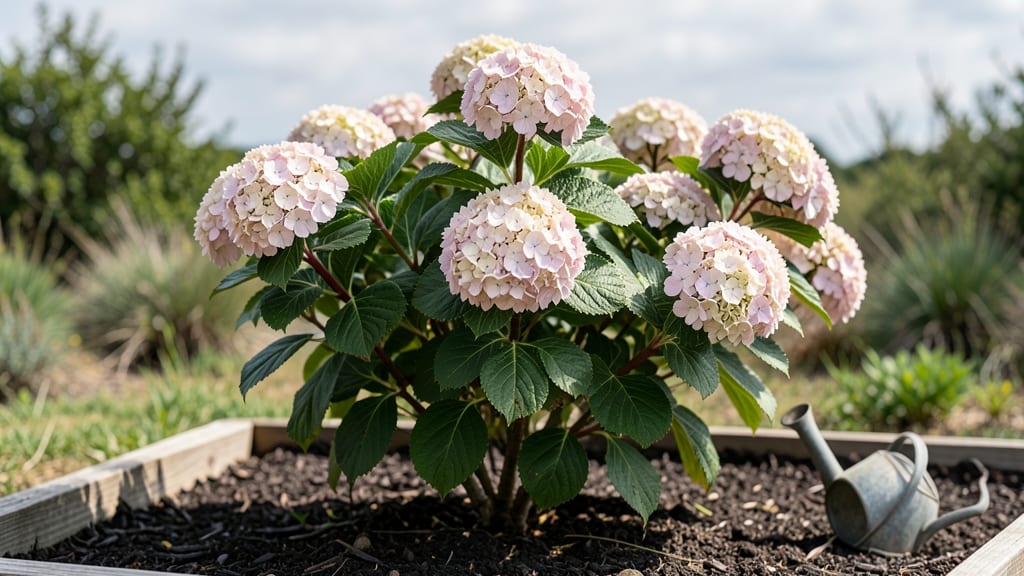
For Zone 4’s part-shade spots, these shrubs thrive—hardy champions that turn low-light areas into vibrant displays of color and texture. and resilience every season. The secret lies in their native origins: many thrive where sunlight filters through trees, creating dappled shade.
You'll find hydrangeas with blooms that last from summer through frost, serviceberry bushes that burst with white flowers in spring and berries in fall, and evergreens that stay lush even when snow blankets the ground. These plants aren't just survivors—they're showstoppers.
With the right soil prep (rich, well-draining mixes work best) and a little winter protection (mulch is your best friend), you'll get plants that reward your effort with years of beauty. The best part? They pair effortlessly with hostas, ferns, and shade-loving perennials to create layered, low-maintenance gardens.
Whether you're filling a dark corner or creating a woodland garden, these shrubs bring life where others struggle. Let's dive into the cold-hardy varieties that will transform your shady spots into thriving focal points.
📚 In This Guide
- What you need
- Instructions
- Tips and common mistakes
- Wrapping up and next steps
What you need
- ● Part-shade shrubs (Zone 4 hardy varieties): 3–5 plants (e.g., Hydrangea arborescens, Viburnum dentatum, Cornus sericea, or Weigela florida)
- ● Check labels for USDA Zone 4 suitability and part-shade tolerance.
- ● Garden soil: 1–2 bags of compost or well-aged manure (5–10 lbs per plant)
- ● Mulch: 2–3 cubic feet of organic mulch (e.g., shredded bark or pine straw)
- ● Garden gloves (1 pair, heavy-duty for digging)
- ● Hand trowel or transplant spade (for delicate root handling)
- ● Watering can or hose with a gentle spray nozzle (1–2 gallons capacity)
- ● Pruning shears (sterilized, sharp for clean cuts)
- ● Slow-release fertilizer (e.g., 10-10-10, 1 lb per 10 sq ft)
- ● Soil pH test kit (to adjust for acid-loving plants like hydrangeas)
- ● Epsom salt (for magnesium boost, if leaves look yellow)
- ● Stakes or plant supports (for tall or leggy shrubs)
- ● Drip irrigation kit (for consistent moisture in dry spells)
Step-by-Step guide to planting and caring for part shade shrubs in Zone 4
Here's how to select, plant, and nurture cold-hardy shrubs that flourish in dappled sunlight.
🌱 Step 1: Choose the Right Shrubs for Your Conditions
Zone 4's part shade means 3-6 hours of filtered light daily, so focus on native or adapted varieties like hydrangeas, azaleas, or serviceberry. I always check the USDA database for cold tolerance ratings—aim for Zone 3-4 to ensure survival through winters with -30°F to -40°F dips. Hydrangea macrophylla 'Endless Summer' and Rhododendron 'PJM' are proven winners in my garden.
Look for healthy, established plants with multiple branches and no signs of pests. Avoid leggy specimens—they struggle to establish in cooler climates. Container-grown shrubs transplant more easily than bare-root stock, so I opt for them when possible. You'll know a plant is well-suited when its leaves show minimal stress after 2-3 weeks in your yard.
🪴 Step 2: Prepare the Planting Site
Test your soil's moisture retention—part shade areas often stay damp longer. Amend heavy clay with 3 inches of compost and a handful of perlite to improve drainage. I dig a hole twice as wide as the root ball but only as deep as the container's base—planting too deep suffocates roots. Loosen the sides of the hole with a fork to encourage root spread.
Mulch the base with 2-3 inches of shredded bark after planting, keeping it 6 inches away from the trunk to prevent rot. This mimics the forest floor where many part shade shrubs evolved. Water deeply before planting to settle the soil and eliminate air pockets around roots.
☀️ Step 3: Plant and Water for Establishment
Remove the shrub from its container and gently tease apart any circling roots—this prevents girdling as the plant matures. Place it in the hole so the top of the root ball sits 1 inch above ground level. Backfill with native soil mixed with 20% compost, tamping lightly as you go to eliminate air gaps. Water immediately after planting to help soil settle around roots.
Keep the soil consistently moist but not soggy for the first 4-6 weeks. You'll notice new growth within 3-4 weeks if conditions are right—this is your sign the plant is establishing. Avoid fertilizing during this period; young roots are sensitive to salts and nutrients.
✂️ Step 4: Maintain Through the Growing Season
Prune in early spring before new growth appears, removing 1/3 of the oldest stems at the base to encourage fresh, vigorous growth. This also prevents overcrowding and improves airflow. I always sterilize my pruners with rubbing alcohol between cuts to prevent disease spread—especially important in damp part shade conditions.
Monitor for fungal issues like powdery mildew, which thrives in shady, humid environments. If you spot white residue on leaves, treat with a neem oil solution (1 tbsp per gallon of water) and improve airflow by thinning dense foliage. Most part shade shrubs need 1 inch of water weekly during dry spells, but check soil moisture before watering.
⏰ Step 5: Winterize for Zone 4 Survival
In late fall, apply a 3-inch layer of mulch around the base of shrubs to insulate roots from freezing temperatures. I also wrap young or tender shrubs with burlap if temperatures dip below -20°F for extended periods. Remove any dead or diseased branches before winter to reduce pest habitats and improve next year's growth.
Prune lightly in late winter to shape the shrub before buds break. Avoid heavy pruning now—it removes next year's flower buds on many part shade varieties. You'll see stronger regrowth in spring if you've protected roots and maintained proper moisture throughout winter.
Tips & tricks for perfect part shade shrubs in Zone 4
These game-changing strategies will help your cold-hardy shrubs thrive in dappled sunlight and brutal winters.
Selection Tip: When choosing shrubs, prioritize those with glossy leaves—they handle shade better than dull, matte foliage. I always check for firm stems and vibrant color, which indicate healthy plants ready to establish. The 2-3 week acclimation period mentioned in Step 1 is crucial; place your new shrubs in a sheltered spot before permanent planting to reduce transplant shock.
Soil Preparation: If your soil tests poorly for moisture retention, mix in 1 part peat moss to the 3 inches of compost recommended in Step 2. This creates a sponge-like texture that holds water without suffocating roots. For heavy clay soils, add 1/2 cup of gypsum to the hole to break up compaction before planting—this prevents root suffocation in Zone 4's wet springs.
Watering Strategy: During the critical 4-6 week establishment period, water deeply every 3-4 days instead of daily shallow watering. This encourages deep root growth that can withstand Zone 4's temperature swings. I use a rain gauge to measure 1 inch of water weekly—if you're unsure, dig down 6 inches after watering; the soil should be moist but not soggy.
Winter Protection: For shrubs in their first winter, create a mini greenhouse effect by wrapping them in burlap and covering with 4-6 inches of straw mulch (on top of the 3-inch bark mulch). This extra insulation helps young plants survive -20°F dips without damage. Remember to remove the straw in early spring before buds break to prevent rot.
Pro Tips for Part Shade Shrubs Zone 4
- These game-changing strategies will help your cold-hardy shrubs thrive in dappled sunlight and brutal winters.
- Selection Tip: When choosing shrubs, prioritize those with glossy leaves—they handle shade better than dull, matte foliage.
- Soil Preparation: If your soil tests poorly for moisture retention, mix in 1 part peat moss to the 3 inches of compost recommended in Step 2.
Frequently asked questions
Got questions about part-shade shrubs in Zone 4?
You’re not alone! Here are answers to the most common concerns—from planting tips to troubleshooting—so you can keep your garden thriving even with limited sunlight.
What’s the best time to plant part-shade shrubs in Zone 4?
Plant in early spring or early fall when soil is workable but not frozen. This gives roots time to establish before winter’s chill. Avoid late fall planting—tender roots may struggle with freeze-thaw cycles. Pro tip: Mulch after planting to insulate roots!
How do I know if my shrub is getting enough shade?
Signs of too much sun: Wilting, yellowing leaves, or crispy edges. Too little light? Look for sparse growth, weak stems, or pale foliage. Aim for 3–6 hours of dappled sunlight daily—think dappled forest light, not deep shade. Adjust placement if needed!
Why are my Zone 4 shrubs dying despite being in part shade?
Common culprits: Overwatering (Zone 4 soil drains slowly!), poor drainage, or winter burn (sun exposure on snow-covered leaves). Check soil moisture, improve drainage with compost, and use burlap wraps for young shrubs in harsh winters.
Are there any evergreen shrubs that thrive in Zone 4 part shade?
Yes! Try Inkberry Holly (Ilex glabra), Dwarf Alberta Spruce (Picea glauca ‘Conica’), or Boxwood (Buxus spp.). These handle cold and 3–4 hours of shade beautifully. Just ensure they’re not in deep shade—they still need some light!
Can I replace a struggling shrub mid-season in Zone 4?
It’s risky but possible if you act fast. Water deeply before transplanting, prune roots, and avoid planting after August to prevent winter stress. Choose a smaller, container-grown shrub for easier recovery. Pro tip: Use a root stimulator to help establishment!
Wrapping up and next steps
Choosing the right part shade shrubs for Zone 4 doesn’t have to be a challenge—it’s all about selecting cold-hardy, low-light-loving plants that bring beauty and resilience to your garden. From hydrangeas to boxwoods, these shrubs prove that shade doesn’t mean sacrificing color or texture.
With the right prep and care, you’ll enjoy a thriving, low-maintenance landscape that flourishes year after year! 🌿
Ready to transform your shady spots? Start small: pick one or two shrubs to test, observe their progress, and expand your garden’s charm gradually. Happy planting! 🌱