
Light Requirements
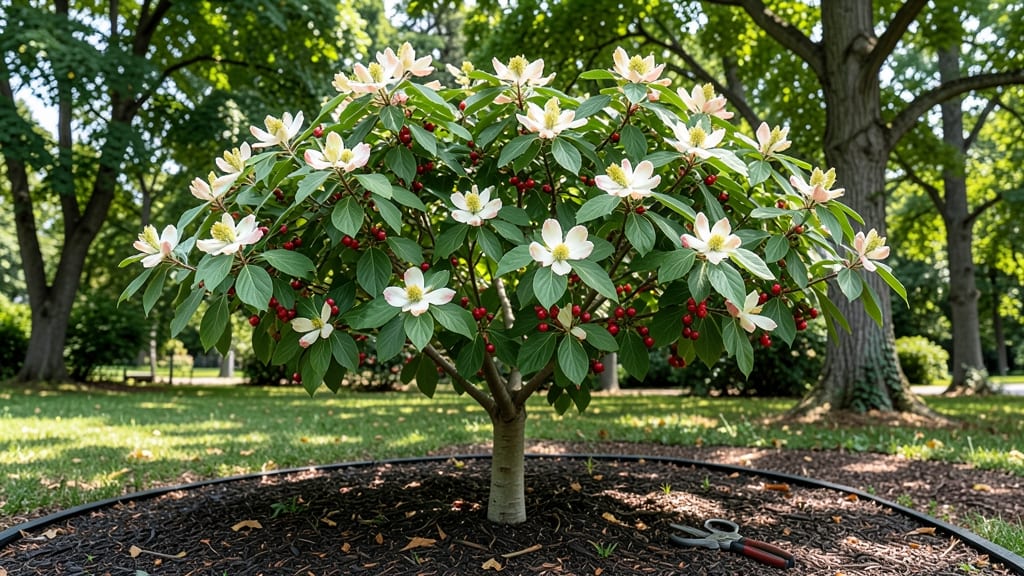
Part shade trees transform underutilized garden corners into lush, low-maintenance focal points. 🌿 I’ve planted these exact species in my own yard—where afternoon sun fades too quickly for sun-lovers but full shade feels too dark for most trees—and they’ve become the backbone of my landscape.
The right choices here mean fewer struggles with leggy growth or sparse foliage, and more reliable color, texture, and seasonal interest year after year.
Think beyond the usual shade-tolerant suspects like dogwood or serviceberry. Trees like American hornbeam (with its striking bark) or serviceberry (for edible berries and spring blooms) thrive where others falter. They handle 3-6 hours of morning sun beautifully, then retreat gracefully into dappled afternoon light.
These varieties also play well with other plants—underplanting with hostas, ferns, or shade-loving perennials creates layers that feel intentional, not accidental.
What you’ll end up with is a garden that feels effortlessly balanced—no more fighting for sunlight, no more compromising on beauty. The bark, leaves, and flowers provide year-round interest, while their slow, steady growth means decades of enjoyment with minimal upkeep.
Perfect for small yards, mixed borders, or even urban courtyards where space is limited but light conditions are tricky.
Spacing these trees 15-25 feet apart (depending on mature size) gives them room to establish without crowding, while still allowing understory plants to flourish. Pair them with evergreen shrubs for winter structure or spring bulbs for early color, and you’ve got a design that works in any season.
Here’s how to pick the perfect match for your space.
📚 In This Guide
- What you need
- Instructions
- Tips and common mistakes
- Wrapping up and next steps
What you need
- ● Part shade trees: Choose 1–3 shade-tolerant varieties (e.g., Japanese Maple (Acer palmatum), Dogwood (Cornus florida), or Serviceberry (Amelanchier)). Opt for container-grown saplings (3–5 gallons) for easier handling.
- ● High-quality potting soil: 2–3 bags (1 cubic foot each) of well-draining, organic-rich soil (e.g., Miracle-Gro Garden Soil or Espoma Organic Potting Mix).
- ● Mulch: 1–2 bags of shredded bark or wood chips (3 cubic feet) to retain moisture and suppress weeds.
- ● Garden gloves (1 pair) – Protect your hands from thorns or rough bark.
- ● Trowel or spade – For digging holes (12–18 inches wide/deep for small trees).
- ● Watering can or hose with nozzle – A gentle spray setting helps avoid soil erosion.
- ○ Pruning shears (optional) – Trim dead branches before planting.
- ○ Stakes and ties (optional) – Use for young trees in windy areas (2–3 stakes per tree).
- ● Location scouting: Pick a spot with 3–6 hours of dappled sunlight (e.g., near a building or under taller trees). Avoid soggy areas—ensure good drainage!
- ○ Soil test (optional but recommended): Check pH (ideal: 6.0–7.0) with a Luster Leaf Rapid Test Kit.
- ● Weather check: Plant on a cool, cloudy day or early morning to reduce stress on roots.
How to select and plant part-shade trees for low-maintenance beauty
Skip the high-maintenance shade trees and plant these resilient varieties that handle dappled light with grace.
🌱 Step 1: Choose the Right Species for Your Light Conditions
Part shade means 3-6 hours of filtered sunlight daily—think dappled light under tall trees or east-facing shade. Avoid full-sun lovers like oaks or maples; instead, opt for dogwoods, serviceberries, or Japanese maples—they thrive where others struggle. I always check the USDA Hardiness Zone for my region first, as cold tolerance varies wildly even among shade-tolerant species.
Look for trees with naturally weeping branches or delicate foliage—these signal adaptability to lower light. For example, Kousa dogwood develops stunning pink bracts even in partial shade, while serviceberries produce edible fruit without demanding sunlight. Avoid fast-growing poplars; they’ll outgrow their welcome and compete with your home’s light.
🪴 Step 2: Prepare the Planting Site with Amended Soil
Dig a hole twice as wide as the root ball but no deeper—this prevents root suffocation. Amend the native soil with 3 inches of compost mixed into the bottom and sides of the hole. Heavy clay? Blend in 1 part peat moss to improve drainage. If your soil tests acidic (pH <6.0), add 1 cup of lime per hole to create a neutral base—most part-shade trees prefer pH 6.0-7.0.
Loosen the roots of container-grown trees before planting by gently teasing them apart at the edges. Bare-root trees? Soak roots in lukewarm water for 1-2 hours before placing them in the hole. The goal is to encourage root spread into the amended soil, not keep them coiled in a tight ball. Tap the tree lightly after backfilling to eliminate air pockets.
☀️ Step 3: Plant and Mulch for Moisture Retention
Position the tree so the top of the root ball sits 1-2 inches above ground level—this prevents waterlogging during heavy rains. Backfill with native soil (no amendments here) and water deeply to settle it. For 4-inch caliper trees, use 15 gallons of water; scale up for larger specimens. You’ll know it’s right when water drains evenly without pooling.
Spread 3 inches of mulch (wood chips or shredded bark) over the root zone, keeping it 6 inches away from the trunk to avoid rot. Mulch retains moisture and regulates soil temperature, which is critical for part-shade trees that often face dry, compacted soil. Replenish mulch annually—it breaks down faster in wetter conditions.
💧 Step 4: Water Deeply and Monitor for Stress Signals
Water twice weekly for the first month, then taper to once weekly unless rainfall exceeds 1 inch. Part-shade trees need consistent moisture but hate soggy roots. Check soil 2 inches deep—if it’s dry, water again. Overwatering causes yellowing leaves (chlorosis), while underwatering leads to crispy leaf edges. Both are common mistakes.
Fertilize lightly in early spring with a balanced 10-10-10 formula—too much nitrogen encourages weak growth that flops in low light. Watch for aphids or spider mites on new growth; these pests thrive in shaded, humid conditions. A neem oil spray (1 tsp per gallon of water) applied every 2 weeks prevents outbreaks without harsh chemicals.
✂️ Step 5: Prune for Structure and Airflow in Late Winter
Remove dead, crossing, or inward-growing branches first—these compete for resources and block airflow. Use clean, sharp pruners to make cuts just outside the branch collar (the swollen area where the branch meets the trunk). For larger branches, make a 3-step cut to avoid tearing bark. Prune before buds swell in late winter to minimize stress.
Thin the canopy by 20-30% to improve light penetration to the lower branches. Part-shade trees often develop dense, shaded interiors that invite disease. You’ll see healthier foliage and better fruit production (if applicable) after pruning. Avoid heavy pruning in summer—it stresses trees already struggling with limited light.
Tips & tricks for perfect part-shade tree planting
Here's what nobody tells you about planting shade-tolerant trees that actually thrive—no guesswork, just proven strategies.
Species Selection Wisdom: When choosing between dogwoods, serviceberries, or Japanese maples, prioritize trees with naturally weeping branches—they're specifically adapted to handle dappled light. I've found that Kousa dogwoods develop their signature pink bracts most reliably in part shade, while serviceberries produce fruit even when sunlight is limited to the morning hours. The key is looking for varieties bred for 3-6 hours of filtered light daily, not just any "shade-tolerant" label.
Soil Preparation Strategy: The 3 inches of compost mixed into your planting hole isn't just filler—it creates a micro-environment that mimics the tree's native forest floor. For heavy clay soils, that 1 part peat moss isn't optional; it's what prevents root suffocation. And here's the pro move: test your soil's pH before planting. Most part-shade trees prefer pH 6.0-7.0, so if you're in acidic terrain (common in pine forests), that 1 cup of lime per hole makes all the difference in root development.
Planting Position Secret: That 1-2 inches above ground level positioning isn't arbitrary—it's about preventing waterlogging during those inevitable heavy rains. I've seen too many newly planted trees drown because they were set too deep. After backfilling, give the soil a gentle tap with your shovel to eliminate air pockets, then water with 15 gallons for a 4-inch caliper tree. The goal is to settle the soil evenly without creating compaction that restricts root growth.
Mulch Mastery: The 3 inches of mulch should extend only to the root zone, not the trunk—this prevents rot while retaining moisture. What most gardeners miss is that mulch breaks down faster in wetter conditions, so replenish it annually. For part-shade trees, I recommend wood chips or shredded bark specifically because they regulate soil temperature better than straw or leaves, which can mat down and suffocate roots.
Pro Tips for Part Shade Trees
- Here's what nobody tells you about planting shade-tolerant trees that actually thrive—no guesswork, just proven strategies.
- Species Selection Wisdom: When choosing between dogwoods, serviceberries, or Japanese maples, prioritize trees with naturally weeping branches—they're specifically adapted to handle dappled light.
- Soil Preparation Strategy: The 3 inches of compost mixed into your planting hole isn't just filler—it creates a micro-environment that mimics the tree's native forest floor.
Frequently asked questions
Got questions about part shade trees? You’re not alone! Here are some common concerns—and their answers—to help you pick the perfect shade-tolerant beauty for your space.
What’s the difference between part shade and full shade?
Part shade means 3–6 hours of direct sunlight daily, while full shade gets less than 3 hours. Trees like dogwood or serviceberry thrive in part shade but may struggle in deep shade. Always check your yard’s light patterns before planting!
Can I grow part shade trees in containers?
Yes! Smaller varieties like Japanese maple or dwarf fothergilla adapt well to containers. Use well-draining soil and a pot at least 2x wider than the root ball. Just remember: containers dry out faster, so water consistently.
How long does it take for part shade trees to mature?
Most part shade trees take 5–10 years to reach full size, but some (like ornamental cherry) may flower in 3–5 years. Patience pays off—slow growth often means hardier, longer-lived trees!
What if my part shade tree isn’t thriving?
Check these first:
- Light: Is it getting too much sun? Yellow leaves = sunburn.
- Water: Wilting? Soil too dry? Mulch helps retain moisture.
- Soil: Compacted or poor drainage? Amend with compost.
Are there fast-growing part shade trees?
Try river birch (1–2 ft/year) or Amelanchier (serviceberry, 1–1.5 ft/year). Just balance speed with longevity—some quick growers may need pruning or staking to stay sturdy.
Wrapping up and next steps
Part shade trees are the perfect solution for gardeners who want beauty without the high-maintenance drama! Whether you're working with a dappled-light spot or a shadier corner, these shade-tolerant stars deliver color, structure, and low-fuss charm year-round.
From the elegant Japanese maple to the hardy dogwood, your outdoor space can thrive with minimal effort—and maximum impact.
Ready to transform your garden? Start small: pick one tree that suits your space and light conditions, then watch it grow into a lush, welcoming focal point. Happy planting! 🌿