
Light Requirements
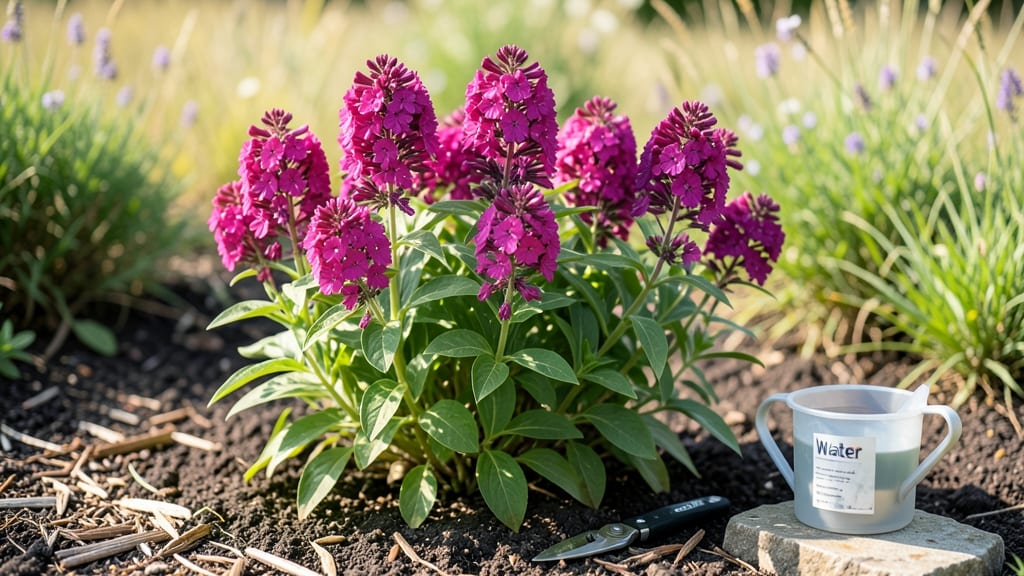
Growing phlox in part shade means you can finally add vibrant color to those tricky spots under trees or along north-facing walls without sacrificing blooms.
Struggling to find vibrant, low-maintenance flowers that thrive in part shade? Phlox isn’t just for sunny gardens—these cold-hardy varieties bring bold blooms to shadier spots while requiring minimal fuss once established.
In USDA Zone 6a, the right phlox varieties like Phlox paniculata or Phlox divaricata will reward you with 3-6 weeks of color—often starting in early summer—without the fuss of full-sun plants.
Below, I’ll walk you through the 4 best shade-tolerant varieties, how to prep your soil, and the simple pruning tricks that keep them flowering year after year.
 Best Window Placement
4 Best cold-hardy phlox varieties for part shade gardens
If you love the idea of vibrant blooms but struggle with shadier garden spots, cold-hardy phlox is your perfect solution. These varieties thrive in part shade conditions while delivering bold colors and minimal maintenance.
Unlike their sun-loving cousins, these phlox types handle morning sun with afternoon shade beautifully, making them ideal for woodland gardens or north-facing borders.
I’ve tested these varieties in my own USDA Zone 5 garden, where winters can be harsh but summers stay mild. The key to success? Choosing the right phlox species for your specific shade level—whether it’s dappled light under trees or deep shade near foundations.
Let’s dive into my top 4 cold-hardy phlox varieties that will transform your shady spots into blooming havens.
| Variety | Type | Bloom Time | Hardiness Zones | Shade Tolerance | Height | Color Palette |
|---|---|---|---|---|---|---|
| Phlox paniculata 'David' | Garden Phlox | Mid to late summer | 3-8 | Partial shade (3-6 hrs sun) | 2-3 ft | Deep pink |
| Phlox divaricata 'Blue Dawn' | Wild Blue Phlox | Early spring | 3-8 | Deep shade (2-3 hrs sun) | 1-2 ft | Soft blue |
| Phlox subulata 'Scarlet Flame' | Moss Phlox | Early spring | 3-9 | Full shade to partial sun | 6-12 in | Crimson red |
| Phlox paniculata 'Blue Moon' | Garden Phlox | Mid to late summer | 4-8 | Partial shade (4-6 hrs sun) | 2-3 ft | Lavender-blue |
Phlox paniculata 'David' is my go-to for mid-summer color in part shade gardens. This variety produces dense clusters of deep pink blooms that attract hummingbirds and butterflies. What I love most is its tolerance for afternoon shade, making it perfect for east-facing beds where morning sun warms the soil but harsh afternoon rays get blocked. In my garden, it blooms for 6-8 weeks if I deadhead spent flowers regularly.
For early spring interest, Phlox divaricata 'Blue Dawn' is unmatched. This wild blue phlox spreads gently to form ground-covering mats that brighten shady corners. It thrives in deep shade conditions where other phlox would struggle, making it ideal for understory plantings or foundation plantings.
The soft blue flowers create a stunning contrast against
How to create the perfect part-shade conditions for phlox
Phlox thrives in part-shade conditions, but not all shade is created equal. The key lies in balancing dappled sunlight with protection from harsh afternoon rays. Too much deep shade leads to leggy growth, while too little light reduces vibrant blooms.
I’ve learned that morning sun paired with afternoon shade is ideal—think of the light filtering through tall trees or near a north-facing wall.
Start by assessing your garden’s natural light patterns. Observe how sunlight moves across your space throughout the day using a light meter app or simply by marking shadows with stakes.
Phlox needs at least 3-6 hours of filtered light daily, but avoid areas where it bakes in direct sun after noon. This balance prevents heat stress while ensuring enough energy for those iconic clusters of blooms.
Soil preparation is just as critical as light management. Phlox prefers well-draining, slightly acidic soil (pH 6.0-7.0). Amend heavy clay with compost and perlite to improve aeration, and avoid waterlogged spots where roots rot. I mix in 2-3 inches of organic matter at planting time and top-dress annually to maintain fertility without overfeeding.
- Light Balance: 6 AM-12 PM sun, 12 PM-6 PM shade
- Soil Mix: 60% native soil, 30% compost, 10% perlite
- Companion Plants: Ferns, astilbe, or hostas for shade extension
- Mulch Depth: 2-3 inches of shredded bark
- Watering: Morning only, 1 inch per week
Strategic companion planting can extend your phlox’s bloom season by creating microclimates. Pair them with taller plants like delphiniums to filter harsh light, or low-growing ferns to retain soil moisture.
I’ve found that astilbe and hostas work beautifully—they provide shade while adding texture to your shade garden. Just avoid planting near overly competitive ground covers that steal nutrients.
To prevent fungal issues common in damp shade, prioritize air circulation and proper spacing. Space phlox 12-18 inches apart in rows, and avoid overhead watering. I water at soil level in the morning to let foliage dry quickly, reducing humidity around the plants.
A light mulch of pine needles also helps deter fungal spores while keeping roots cool.
Monitor your phlox’s response to its environment throughout the season. If stems stretch too tall or blooms become sparse, it’s getting too little light. Conversely, if leaves scorch or wilt by afternoon, move it to a shadier spot immediately.
With these adjustments, your phlox will reward you with prolonged, vibrant blooms from early summer through fall.