
Companion Plants
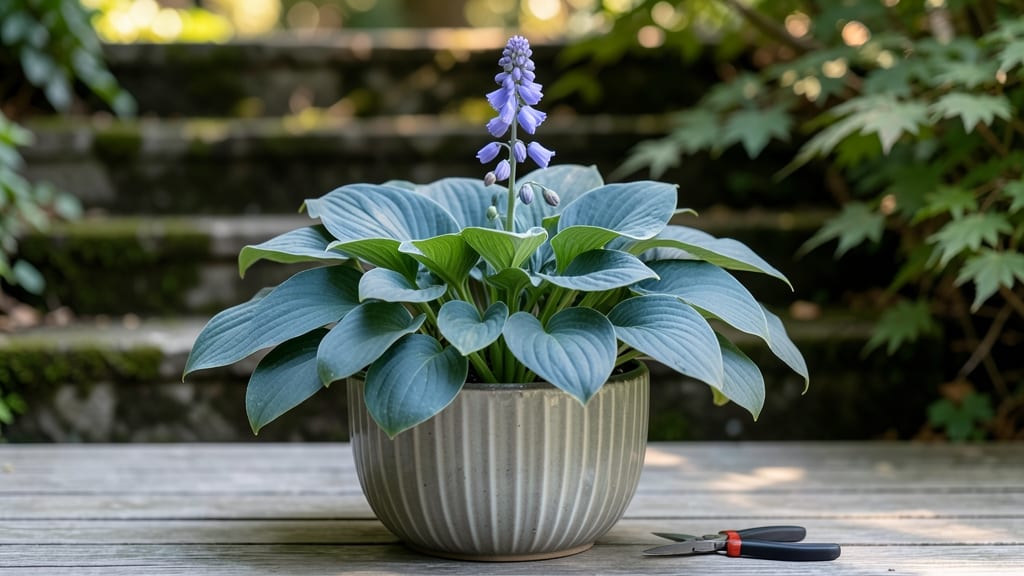
Front porch shade plants thrive in low-light conditions with hardy options like ferns, hostas, and impatiens that deliver vibrant foliage and seasonal color without requiring direct sunlight. Selecting shade-tolerant varieties creates a lush, low-maintenance display that brightens any covered porch area.
Shade on front porches creates unique growing conditions where many plants struggle—but the right choices can transform that space into a thriving garden. 🌿 The key is understanding light intensity: deep shade (under trees) needs plants like heuchera or caladiums, while dappled shade (morning sun, afternoon shade) suits coleus or begonias.
These plants adapt by developing broader leaves to capture scattered light efficiently, often with striking variegation that stands out in low-light settings.
For year-round interest, I recommend layering evergreen ferns at the base with taller hostas and seasonal bloomers like impatiens or foxgloves—this creates visual depth while minimizing care demands.
Most shade plants prefer well-draining soil and consistent moisture, though some like sedum tolerate drier conditions. A quick tip: mulch helps retain moisture and regulates soil temperature, which is especially helpful in hot afternoons.
The best part? Many of these plants are deer-resistant, making them ideal for suburban porches where wildlife might otherwise snack on your greenery.
💡 In This Article
- How Light Levels Affect Shade-Loving Porch Plants
- Top 10 Shade-Tolerant Porch Plants by Seasonal Interest
How light levels affect shade-loving porch plants
Understanding light levels is the foundation for selecting the right shade plants. Porch areas typically receive dappled shade (filtered light through trees) or deep shade (minimal direct sunlight). Plants adapt to these conditions through chlorophyll adjustments—shade-tolerant varieties produce more chlorophyll to capture available light, often resulting in darker green leaves.
For example, hostas thrive in deep shade by developing broad, horizontal leaves that maximize light absorption, while ferns grow narrower fronds to reduce competition for scarce sunlight.
The leaf structure plays a crucial role in survival. Broad-leaved plants like heuchera (coral bells) have thick, waxy surfaces that reflect excess light, preventing overheating in brief sun exposure.
Meanwhile, delicate foliage like impatiens grows vertically to stretch toward light sources. 🌿 In dappled shade, plants often exhibit variegation (striped or spotted leaves) because the white or yellow sections require less light to maintain, allowing the plant to thrive where solid green leaves might struggle.
Light intensity also impacts growth patterns. Deep shade slows photosynthesis, so plants grow more slowly but develop stronger roots to access nutrients in the soil. This is why shade plants often have a compact, bushy form—ideal for porch containers.
For instance, caladiums (elephant ears) grow larger leaves in bright shade but may scorch in direct sun. The key is matching the plant's native habitat: tropical shade plants (like ferns) prefer consistent moisture, while Mediterranean varieties (like lavender) tolerate drier conditions.
Seasonal light changes further complicate selection. In spring and fall, when sunlight is less intense, shade plants can handle slightly sunnier spots. But summer's harsh midday rays can stress even the hardiest varieties.
That's why I recommend observing your porch's light patterns for at least a week—note when direct sun hits and for how long. This helps determine whether your space is true shade (no direct sun) or partial shade (filtered light for part of the day).
Soil moisture becomes critical in shaded areas because less light means slower evaporation, keeping soil damp longer. Most shade plants prefer 60-70% humidity and well-draining soil to prevent root rot.
A simple test: press your finger into the soil—if it feels moist but not soggy, your plants are likely getting the right balance. Mulching with 2-3 inches of organic material (like bark or leaves) helps maintain this moisture while suppressing weeds.
What most gardeners overlook is how wind affects shade plants. Porches often experience drafts that dry out foliage faster than expected. To combat this, choose plants with leathery leaves (like heuchera) or group containers to create a microclimate.
Adding a windbreak, such as a lattice or trellis, can also protect delicate bloomers like foxgloves from drying out in breezy conditions.