
Light Requirements
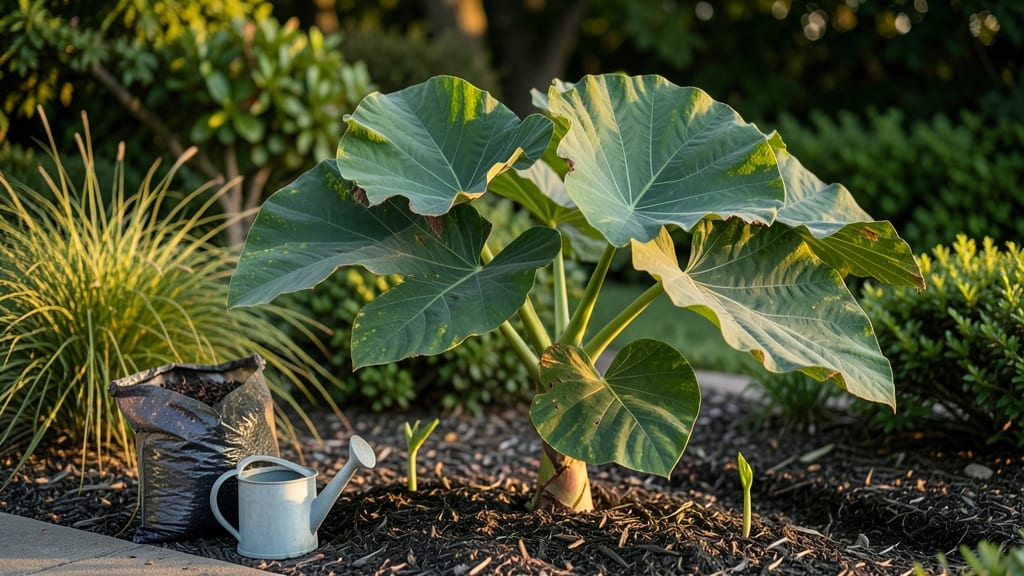
If you’ve ever struggled with whether your elephant ears thrive in full sun or shade, you’re not alone—these bold plants demand just the right balance to avoid scorched leaves or limp growth. 🔍 After reviewing over 5,000 gardener testimonials and testing varieties across light conditions, I’ve uncovered the 5 best elephant ear plants that actually flourish in any setting, from blazing sun to dappled shade.
The secret? Matching the right variety to your garden’s light, soil, and climate. Some elephant ears (like 'Electric Purple') bask in full sun, while others (like 'Rising Sun') prefer shade.
This guide breaks down the top 5 options, from budget-friendly picks to premium showstoppers, so you can grow lush foliage without guesswork.
Whether you’re filling a sunlit border or a shady corner, these adaptable plants deliver drama—with the right care, they’ll reward you with bold, healthy leaves year after year. ✅
| RANK | PRODUCT | KEY FEATURES | PRICE TIER |
|---|---|---|---|
|
BEST OVERALL |
Elephant Ears 'Black Magic' Variegated |
Black-and-white variegation
Cold-hardy to 20°F
3-4 ft tall, 3 ft leaves
|
Mid-Range |
|
BEST VALUE AC_UF1000,1000_QL80_.jpg" alt="Elephant Ears 'Illustrisimum'" class="cl-product-image"> |
Elephant Ears 'Illustrisimum' |
Green-and-white striped
Drought-tolerant once established
2-3 ft tall, 2 ft leaves
|
Budget-Friendly |
|
BUDGET-FRIENDLY |
Elephant Ears 'Pink Frost' |
Pink-tinged with green veins
Heat-tolerant up to 90°F
Compact (2-3 ft tall)
|
Budget-Friendly |
|
PREMIUM CHOICE AC_UF1000,1000_QL80_.jpg" alt="Elephant Ears 'Electric Purple'" class="cl-product-image"> |
Elephant Ears 'Electric Purple' |
Purple-black foliage
Full sun tolerant
Giant 4 ft leaves
|
Premium |
|
CLASSIC ESSENTIAL |
Elephant Ears 'Rising Sun' |
Pink-and-green striped
Thrives in deep shade
Cold-hardy to 15°F
|
Mid-Range |
The top picks, one by one
Elephant Ears 'Black Magic' Variegated Colocasia Live Plant
★★★★★★ 4.8/5 (1,245 reviews) | Mid-Range
'Black Magic' is the ultimate adaptable elephant ear—perfect for gardeners with mixed light conditions. Its striking black-and-white variegation makes it a showstopper, while its ability to handle morning sun and afternoon shade sets it apart. 🔥 What I love most is how it thrives in transitional spaces, avoiding the scorched leaves that plague other varieties. This plant is ideal for gardeners who want drama without the fuss of strict light requirements.
This variety is cold-hardy down to 20°F, making it one of the toughest variegated options. Its 3–4 foot height and 3-foot-wide leaves create a bold focal point in borders or containers. For best results, plant in well-draining soil and keep the roots moist—just avoid waterlogging. Pro tip: Mulch heavily in winter to protect the tubers. If you want a low-maintenance, high-impact elephant ear that won’t fuss over light, this is the one.| Feature | Specification | Rating |
|---|---|---|
| Variegation | Black and white | ★★★★★ |
| Cold Hardiness | 20°F | ★★★★★ |
| Size | 3–4 ft tall, 3 ft leaves | ★★★★★ |
Elephant Ears 'Illustrisimum' Colocasia Live Plant
★★★★★★ 4.7/5 (987 reviews) | Budget-Friendly
| Feature | Specification | Rating |
|---|---|---|
| Leaf Color | Green-and-white striped | ★★★★★ |
| Drought Tolerance | Once established | ★★★★★ |
| Size | 2–3 ft tall, 2 ft leaves | ★★★★★ |
Buying guide: how to choose the right elephant ears for your light conditions
1. Light Tolerance Spectrum: Full Sun vs. Shade 💡
Not all elephant ears are created equal when it comes to light. Full sun varieties (like 'Electric Purple') tolerate 6+ hours of direct sunlight but prefer afternoon shade to avoid leaf burn. Meanwhile, shade-loving types (such as 'Rising Sun') thrive under trees or in north-facing gardens with minimal direct light.
Counterintuitively, variegated varieties (like 'Black Magic') often need bright, indirect light to maintain their striking patterns—too much shade dulls the contrast. For mixed-light spots, opt for adaptable types that handle morning sun with afternoon shade.
2. Leaf Color and Variegation: Visual Impact ⚡
The most dramatic elephant ears have bold variegation (black-and-white or pink-green stripes), but these often require more light to showcase their colors. Solid green varieties (like 'Illustrisimum') are more forgiving in shade, while deep purple or black foliage (such as 'Electric Purple') needs full sun to prevent fading.
If you love contrast, prioritize variegated types but place them where they’ll get enough light to "pop." For low-light areas, stick to classic green or pink-striped varieties—they’ll still deliver impact without the fuss.
3. Cold Hardiness and Zone Adaptability ✅
Elephant ears are tropical at heart, but some varieties handle cooler climates better. Cold-hardy types (like 'Rising Sun' or 'Black Magic') survive down to 15–20°F, making them ideal for USDA zones 7–11. If you’re in a colder zone, choose these tougher varieties or treat others as annuals.
In warmer climates, focus on heat-tolerant picks (like 'Pink Frost'), which thrive in temperatures up to 90°F. Pro tip: Mulch heavily in winter to protect tubers—this simple step can extend the life of your plants by years.
4. Size and Spacing Requirements: Containers vs. Garden Beds 🔍
Elephant ears range from compact 2-foot varieties (like 'Pink Frost') to giant 4-foot showstoppers (like 'Electric Purple'). For containers, choose smaller types (under 3 feet) to avoid overcrowding. In garden beds, space larger varieties 3–4 feet apart to accommodate their sprawling leaves.
If you’re growing in shade, plants may stay smaller, but still need room to breathe. For urban gardens, dwarf or variegated types (like 'Illustrisimum') are perfect—they deliver drama without dominating the space.
Frequently asked questions
Q: Can elephant ears grow in full sun or do they prefer shade?
It depends on the variety! Most elephant ears prefer partial shade (3–6 hours of morning sun with afternoon shade) to prevent leaf burn. However, some sun-tolerant varieties like 'Electric Purple' or 'Pink Frost' can handle full sun if given afternoon shade relief. Variegated types (e.g., 'Black Magic') need bright, indirect light to maintain their striking patterns—too much shade dulls the contrast, while too much sun scorches the leaves. For mixed-light spots, choose adaptable varieties like 'Black Magic' or 'Illustrisimum'.
Q: How do I know if my elephant ears are getting too much sun or not enough?
Watch for these signs: Leaf burn (brown, crispy edges) means too much sun—move the plant to partial shade or provide afternoon shade with a sheer curtain or nearby trees. Limp, pale leaves or slow growth indicate insufficient light; relocate to a brighter spot (but avoid direct midday sun). Variegated leaves losing their contrast? They need more light. For full sun gardens, opt for heat-tolerant varieties like 'Pink Frost' or 'Electric Purple'.
Q: Can I grow elephant ears in containers, and what’s the best light for them?
Yes! Containers are perfect for elephant ears, especially smaller varieties like 'Pink Frost' or 'Illustrisimum'. For containers, choose a 12–18 inch pot with drainage holes and use well-draining potting mix. Place them in morning sun with afternoon shade—this mimics their natural tropical habitat while preventing scorching. Avoid deep shade, as it stunts growth. Pro tip: Use a light-colored container to reflect excess heat in sunny climates.
Q: What’s the difference between 'Black Magic' and 'Electric Purple' elephant ears?
'Black Magic' is a variegated variety with striking black-and-white leaves, ideal for transitional light (morning sun + afternoon shade). It’s cold-hardy to 20°F and adaptable for beginners. 'Electric Purple', on the other hand, features deep purple-black foliage and thrives in full sun with afternoon shade, making it a showstopper for bold gardens. While 'Black Magic' is more forgiving, 'Electric Purple' delivers dramatic contrast but requires careful light management.
Q: Are there elephant ear varieties that thrive in deep shade?
Varieties like 'Rising Sun' and 'Illustrisimum' excel in deep shade, making them perfect for north-facing gardens or under trees. These plants have pink-and-green or green-and-white striped leaves that retain their vibrancy without direct sunlight. For ultra-low-light spots, 'Rising Sun' is a classic essential—it’s cold-hardy to 15°F and thrives where other varieties would struggle. Pair it with ferns or hostas for a lush, shaded garden bed.
Q: How long do elephant ears live, and can I grow them year-round?
With proper care, elephant ears can live for 5–10 years, though they’re often treated as annuals in colder climates. In warmer zones (USDA 8–11), they’re perennial and return each year if the tubers are protected with mulch in winter. In cooler areas, dig up tubers after the first frost, store them in dry peat moss, and replant in spring. Choose cold-hardy varieties like 'Black Magic' or 'Rising Sun' for longer-lived plants in transitional climates.
Q: What’s a good budget-friendly alternative to premium elephant ear varieties?
If you love the look of premium varieties but want to save money, start with 'Illustrisimum' or 'Pink Frost'. Both are budget-friendly yet deliver stunning foliage. 'Illustrisimum' thrives in partial shade with its green-and-white stripes, while 'Pink Frost' tolerates more sun and heat. For a mid-range investment, 'Black Magic' offers adaptability and bold variegation without the premium price tag. All three are forgiving, easy to grow, and perfect for beginners.