
Orchid Care
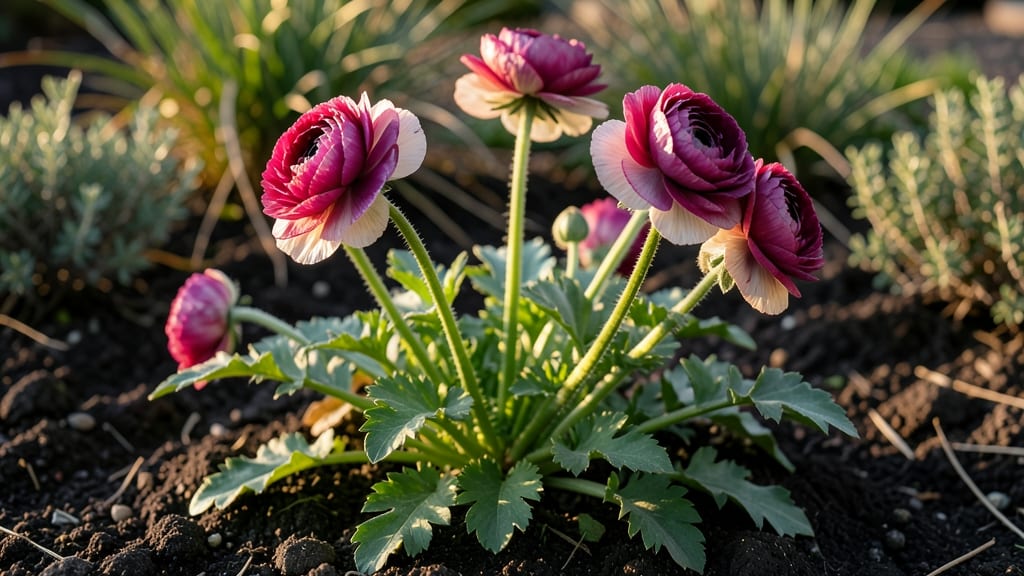
Ranunculus thrives in either sun or shade, but getting the balance right is the key to those show-stopping blooms you’ve been dreaming of.
Picture this: you’ve planted your 🌸 ranunculus bulbs with high hopes, only to watch them flop or produce sparse flowers. That’s usually a light mismatch—too much sun scorches the delicate petals, while too little shade leaves them leggy and weak.
Here’s the secret: sun-loving varieties like Persian ranunculus demand 6+ hours of light, while shade-tolerant types can handle just 3–4 hours. I’ll break down the best varieties for your garden’s conditions, plus how to adjust care when seasons shift.
By the end, you’ll know exactly where to place your ranunculus—whether in a bright border or a dappled woodland garden—to get blooms that last from spring into summer.
 Best Window Placement
Sun-loving ranunculus varieties: best types for full sun exposure
If you're dreaming of vibrant ranunculus blooms that thrive under the brightest sunlight, you’re in the right place. While these delicate papery flowers are often associated with partial shade, some sun-loving varieties not only survive but flourish in 6+ hours of direct sun daily.
The key? Choosing the right cultivars and adjusting care to prevent heat stress and overheating.
For gardeners in Mediterranean climates or hot, dry regions, sun-loving ranunculus can be a game-changer. These varieties often boast brighter colors, longer bloom times, and sturdier stems—perfect for cut flower arrangements or container gardens on sunny patios.
Let’s explore the best sun-optimized ranunculus and how to keep them thriving.
| Variety | Color Range | Bloom Duration | Regional Fit | Care Tip |
|---|---|---|---|---|
| Persian Sunburst | Coral, Salmon, Peach | 6-8 weeks | Zones 7-10 | Water at soil level |
| Asiatic Firecracker | Red, Orange, Yellow | 5-7 weeks | Zones 5-9 | Mulch to retain moisture |
| Hybrid Sun King | Deep Purple, Magenta | 7-9 weeks | Zones 6-10 | Avoid afternoon sun |
| Persian Lemon Drop | Cream, Buttercup | 6 weeks | Zones 8-11 | Use shade cloth in peak heat |
| Asiatic Blaze | Scarlet, Pink | 5-6 weeks | Zones 4-8 | Well-draining soil required |
The Persian Sunburst variety is a standout for full sun gardens, especially in coastal or desert climates. Its peachy hues brighten up dry landscapes and pair beautifully with lavender or succulents.
To prevent wilting, I always water these at the base of the plant rather than overhead to avoid leaf scorch.
For longer bloom seasons, the Hybrid Sun King is my top pick. Its deep purple petals create a striking contrast against green foliage, and it thrives in hot afternoons if given dappled shade during the hottest hours.
In my Zone 9 garden, I’ve seen these blooms last up to 9 weeks with minimal care.
When planting sun-loving ranunculus, prioritize well-draining soil to prevent root rot. Amend heavy clay with sand or perlite and consider raised beds for urban containers. I’ve found that adding a 2-inch layer of mulch helps maintain even moisture without smothering the delicate tuberous roots.
Watering frequency is critical in full sun conditions. While ranunculus are drought-tolerant once established, they need consistent moisture during active growth. I water mine every 3-4 days in summer, always in the early morning to reduce evaporation.
Avoid wetting the foliage to prevent fungal diseases like powdery mildew.
In Mediterranean climates, where summers are hot and dry, I’ve had great success with the Persian Lemon Drop variety. Its buttery yellow blooms add a soft contrast to bright sunlight, and it handles afternoon heat better than most. For extra protection, I use 3
Shade-tolerant ranunculus: hidden gems for low-light gardens
If you’ve ever assumed ranunculus need full sun to thrive, think again! While these delicate blooms love sunlight, some varieties excel in partial shade with just 3–6 hours of light.
These hidden gems—like the 'Burgundy' or 'Black Velvet' types—flaunt darker petal centers and ruffled edges that pop even under dappled light. The key? Choosing the right variety and pairing them with the right companions.
Many gardeners mistakenly assume ranunculus will flop in shade, but shade-tolerant varieties actually produce longer stems and richer colors when protected from harsh afternoon sun.
For example, the 'White Pearl' variety thrives in woodland gardens where light filters through trees, while 'Pink Charm' adapts beautifully to container gardens on shaded patios.
Shade-Tolerant Ranunculus: Pros & Cons
Pros
- Longer stems in shade
- Darker petal centers (e.g., burgundy)
- Less wilting in hot climates
- Companion-friendly (hostas, ferns)
Cons
- Slower growth without enough light
- Fewer blooms in deep shade
- Requires well-draining soil to prevent rot
- Needs staking for taller varieties
For shade-loving ranunculus, focus on moist but well-draining soil—these plants hate soggy roots. Amend your garden beds with compost or perlite to improve aeration, and avoid planting them where competitive roots (like large shrubs) steal nutrients.
A mulch layer of straw or shredded bark helps retain moisture while keeping roots cool.
Pair your shade-tolerant ranunculus with companion plants that thrive under similar conditions. Hostas and ferns provide lush foliage contrast, while heucheras add vibrant leaf colors. Avoid pairing them with sun-hungry plants like lavender or rosemary, which will outcompete them for light and water.
Watch for leggy stems or pale blooms, which signal your ranunculus isn’t getting enough light. If this happens, gradually move them to a sunnier spot over 2–3 weeks to avoid shocking the plant. Alternatively, consider grow lights for container-grown varieties during winter months when natural light dips.
With the right shade-tolerant variety and care, your ranunculus can become the star of your low-light garden, blooming from early spring to summer with minimal fuss. Try 'Black Velvet' for drama or 'White Pearl' for elegance—both shine in partial shade! 🌿🌸