
Blooming
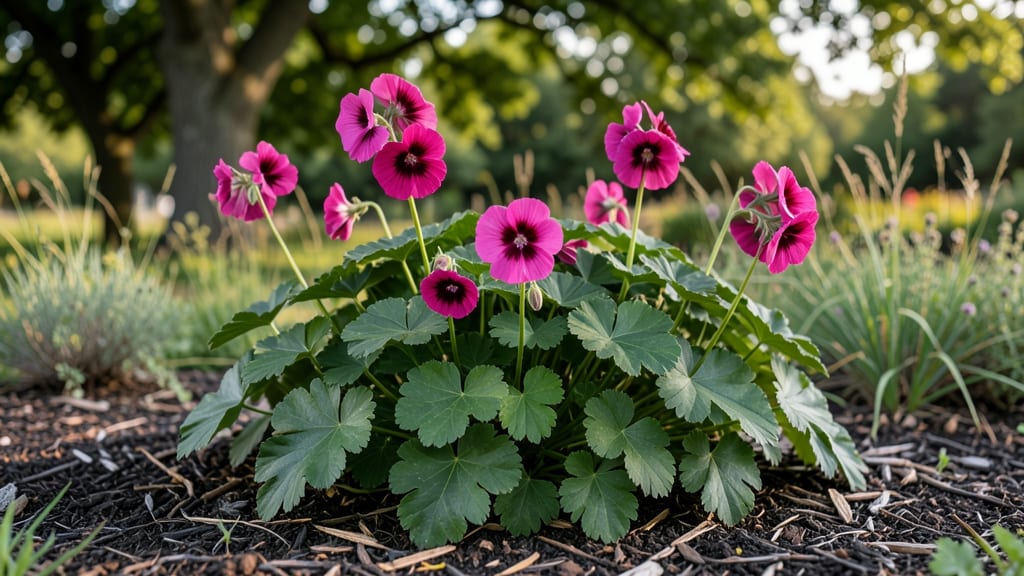
Rozanne geraniums burst into the bloom time the moment soil warms to 55°F—and they don’t stop until frost. 🌸 I’ve watched mine transform my garden from early June through November, with just a little help from me.
The secret isn’t complicated: these hardy plants thrive in heat, drought, and even light shade, making them the ultimate low-maintenance stunner. The first flush of flowers arrives 6-8 weeks after planting, but the real magic happens when you skip heavy deadheading.
Unlike finicky annuals, Rozannes reward minimal effort with continuous blooms—just pinch off spent flowers occasionally, and they’ll keep producing. In milder climates, they’ll even surprise you with winter blooms if protected by a frost cloth.
You’ll end up with vibrant magenta-pink flowers that attract pollinators all season, plus lush foliage that stays disease-free. The plants grow 2-3 feet tall and spread 3 feet wide, making them perfect for borders, containers, or cascading over walls.
For northern gardeners, start seeds indoors 8-10 weeks before last frost—they germinate easily. Southern gardeners can plant anytime after soil warms, but mulch heavily to retain moisture during summer’s peak heat.
📚 In This Guide
- What you need
- Instructions
- Tips and common mistakes
- Wrapping up and next steps
What you need
- ● Rozanne geranium plants: 3–5 mature plants (or seeds if starting from scratch). Choose disease-resistant varieties for best results.
- ● Well-draining potting mix: 10–15 gallons (for containers) or amend garden soil with compost (50% soil, 50% organic matter).
- ○ Containers (optional but recommended): 14–16" diameter pots (1–2 plants per container) with drainage holes.
- ● Or raised beds with at least 12" depth for in-ground planting.
- ● Slow-release fertilizer: 10–15 lb. (5–7% nitrogen, balanced NPK) for seasonal feeding.
- ● Pruning shears: Sharp, clean pair (sterilize with rubbing alcohol between cuts).
- ○ Gloves (optional): Heavy-duty gardening gloves to protect hands from thorns.
- ● Mulch: 2–3" layer of shredded bark or straw to retain moisture and suppress weeds.
- ● Plant supports: Small stakes or cages (if stems need extra stability in windy areas).
- ● Liquid bloom booster: Phosphorus-rich fertilizer (e.g., 5-10-5) for a mid-season boost.
- ● Spray bottle: For misting leaves during dry spells (Rozannes love humidity!).
How to maximize Rozanne geranium bloom time year-round
Here's the secret to keeping these tough, vibrant plants flowering nonstop with almost no effort.
🌱 Step 1: Plant in Full Sun and Well-Draining Soil
Rozanne geraniums thrive in 6-8 hours of direct sunlight daily. Choose a location where they receive morning sun and afternoon shade in hotter climates—this prevents leaf scorch while maintaining abundant blooms. The key is well-draining soil; these plants despise soggy roots, which is why I always amend heavy garden beds with 1 part perlite to 2 parts native soil.
Dig a hole twice as wide as the root ball but only as deep as the container it came in. This encourages roots to spread horizontally, which means more blooms. Gently loosen the roots if they're circling in the pot before placing them in the hole. You'll know you've done it right when the top of the root ball sits just below soil level.
☀️ Step 2: Water Deeply but Infrequently
Water Rozanne geraniums deeply once a week rather than frequent shallow waterings. This encourages deep root growth, which translates to stronger plants and more blooms. You'll know you're doing it right when the soil feels dry 2-3 inches down—stick your finger in to check. Overwatering is the fastest way to kill these plants, so I always wait until the foliage starts to look slightly wilted before watering again.
Mulch around the base with 2-3 inches of organic mulch (like shredded bark) to retain moisture and regulate soil temperature. This also prevents weeds from competing for nutrients. Avoid piling mulch directly against the stems—keep it 2 inches away to prevent rot. In hot summers, I water in the early morning to reduce evaporation and fungal risks.
✂️ Step 3: Deadhead Strategically for Continuous Blooms
The real trick to year-round blooms is minimal deadheading. Rozanne geraniums are self-cleaning, meaning they naturally drop old flowers, but you can encourage even more blooms by pinching off spent blooms at the base with your fingers or clean pruners. I do this every 2-3 weeks during peak bloom season, but in cooler months, I barely touch them—they'll keep flowering on their own.
If a stem looks leggy or overcrowded, cut it back to just above a set of leaves. This redirects energy to new growth and more flowers. Never cut into old wood—you'll know it's time to prune when you see bare stems with no leaves. In late fall, give the plant a light haircut to tidy it up, but don't go overboard. Rozanne geraniums are tough and will bounce back.
🌿 Step 4: Fertilize Lightly for Long-Lasting Color
Feed your Rozanne geraniums once in early spring with a balanced, slow-release fertilizer (10-10-10). Too much nitrogen will give you lush leaves but few flowers, so I always use half the recommended dose. Water thoroughly after applying fertilizer to prevent root burn. During the growing season, I switch to a low-nitrogen, high-phosphorus fertilizer (5-10-5) to promote blooming.
Stop fertilizing in late summer to encourage the plant to harden off for winter. Over-fertilizing at this time can lead to weak growth that won't survive frost. I also avoid fertilizing if the soil is dry—always water first. You'll know the plant is happy when it produces bright pink blooms continuously with minimal input.
⏰ Step 5: Protect from Harsh Winters and Pests
Rozanne geraniums are hardy down to Zone 5, but in colder regions, mulch heavily with 4-6 inches of straw or leaves to insulate the roots. I also group plants together to create a microclimate that retains heat. In early spring, remove the mulch once new growth appears to prevent rot.
Watch for aphids or spider mites, which love geraniums. I treat infestations with a strong spray of water first—this often dislodges pests without chemicals. If needed, use an insecticidal soap, but avoid systemic pesticides, which can harm pollinators. A healthy Rozanne geranium will bounce back quickly, so don't stress if a few leaves get chewed.
Tips & tricks for maximizing Rozanne geranium bloom time
These simple yet effective strategies will help you coax even more vibrant blooms from your Rozanne geraniums with minimal effort.
Sunlight Optimization: While the instructions call for 6-8 hours of direct sunlight daily, I've found that positioning your plants slightly east of full sun in hotter climates can actually extend their bloom time. The morning sun provides gentle warmth while avoiding the afternoon heat that can stress the plants. In containers, rotate them every few days to ensure even exposure—this prevents one-sided growth and encourages more uniform flowering.
Watering Wisdom: The deep watering routine in Step 2 works wonders, but here's what nobody tells you: water quality matters. If your tap water is hard or salty, use rainwater or distilled water instead—Rozanne geraniums are sensitive to mineral buildup. I also recommend using a moisture meter to check soil dryness at 2-3 inches deep rather than relying on visual cues, especially in sandy soils that dry out faster. This precision prevents both underwatering and overwatering, both of which stress the plants and reduce blooms.
Pruning Precision: When it comes to the every 2-3 weeks deadheading schedule in Step 3, I've learned that timing matters more than frequency. Always deadhead in the morning when the flowers are fully open—this gives the plant the entire day to recover and redirect energy. For a more dramatic effect, I sometimes do a "bloom flush" by cutting back about one-third of the leggiest stems to just above a leaf node. The plant responds with a burst of new growth and flowers within weeks.
Fertilizer Finesse: The instructions recommend using half the dose of 10-10-10 fertilizer in early spring, but I've found that a liquid seaweed fertilizer (optional add-in) works even better for promoting continuous blooms. Seaweed contains natural growth hormones that stimulate root development without the risk of over-fertilization. If you choose to use it, apply it every 4-6 weeks during the growing season, alternating with your regular fertilizer. Always water thoroughly after application to prevent root burn.
Pro Tips for Rozanne Geranium Bloom Time
- These simple yet effective strategies will help you coax even more vibrant blooms from your Rozanne geraniums with mi...
- Sunlight Optimization: While the instructions call for 6-8 hours of direct sunlight daily, I've found that positionin...
- Watering Wisdom: The deep watering routine in Step 2 works wonders, but here's what nobody tells you: water quality m...
Frequently asked questions
Got questions about keeping your Rozanne geraniums blooming beautifully? You’re not alone! Here are some of the most common queries—and their answers—to help you maximize those stunning flowers year-round.
When do Rozanne geraniums typically bloom?
Rozanne geraniums are famous for their long bloom time—they can flower almost year-round in mild climates (zones 7-10). In cooler areas, expect blooms from early spring through fall, with occasional winter flowers if protected. Deadheading spent blooms encourages continuous flowering!
Can Rozanne geraniums bloom in winter?
While they’re not winter-hardy in freezing temps, Rozanne geraniums can survive light frosts (down to 20°F/-7°C) and may still bloom if sheltered. In colder zones, grow them as potted plants and bring them indoors during harsh winters. A sunny windowsill or greenhouse keeps them happy!
How often should I deadhead Rozanne geraniums?
Deadheading 2-3 times a week during peak bloom keeps Rozanne geraniums looking their best. Simply pinch off spent flowers (or trim stems just above a leaf pair). This redirects energy to new blooms, extending their seasonal display. Pro tip: Use clean shears to avoid disease!
What if my Rozanne geranium isn’t blooming?
Lack of blooms often signals over-fertilization (too much nitrogen) or poor sunlight. Move your plant to full sun (6+ hours/day) and switch to a low-nitrogen, high-phosphorus fertilizer (like 5-10-10). Prune leggy stems to encourage bushier growth—this usually revives blooms within weeks!
Are there alternatives to Rozanne geraniums for long blooms?
If you love low-maintenance, long-blooming plants, try:
- Pelargonium ‘Duchess Clara’ – Another hardy geranium with vibrant blooms.
- Salvia ‘May Night’ – Drought-tolerant and blooms from spring to frost.
- Lantana – Thrives in heat and attracts pollinators with colorful clusters.
Wrapping up and next steps
With Rozanne geraniums, you’ve unlocked a secret to year-round beauty—minimal effort, maximum impact! 🌸 Their late spring to frost-blooming cycle rewards patience with vibrant blooms, and a little deadheading keeps them thriving.
Whether you’re a seasoned gardener or just starting, this hardy plant proves that stunning flowers don’t require constant upkeep.
Now that you’re armed with the bloom time secrets, why not expand your garden? Try pairing Rozannes with complementary perennials or experiment with container gardening for a pop of color on patios. Happy gardening—your future blooms will thank you! 🌿✨