
Tools
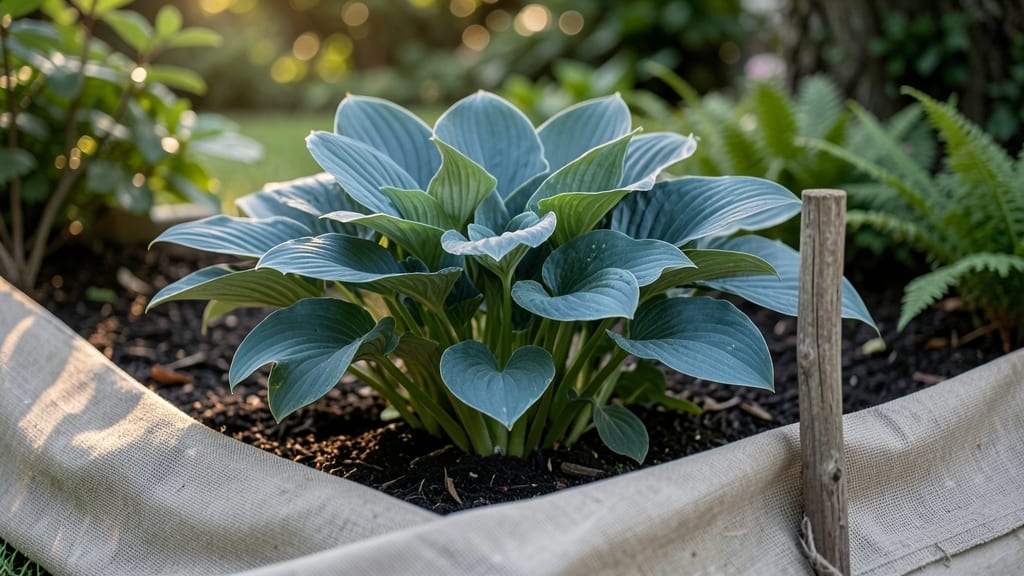
This shade fabric for plants will be your secret weapon when summer heat arrives. Shade fabric for plants isn't just a tool—it's a lifeline for heat-sensitive varieties, extending their blooming season by weeks.
I've used it to save my tender basil from wilting in July, and the difference is night-and-day growth. The right shade percentage makes all the difference: 30% for seedlings, 50% for heat-loving annuals, and 70% for tropical plants.
You'll see fewer scorched leaves, more consistent watering needs, and plants that keep producing instead of bolting early. The fabric also blocks pests like aphids and whiteflies, giving your garden an extra layer of protection.
Installation takes just 15 minutes with clips or stakes, and you can adjust coverage as seasons shift. Whether protecting young tomatoes or keeping impatiens vibrant, this simple tool transforms struggling plants into thriving showstoppers. The payoff? Longer harvests and fewer plant losses to heat stress.
Works for containers, raised beds, or in-ground gardens—just match the shade level to your plants' needs. Here's how to get started without the guesswork.
📚 In This Guide
- What you need
- Instructions
- Tips and common mistakes
- Wrapping up and next steps
What you need
- ● Shade fabric: 30%–50% shade cloth (for delicate plants like lettuce or impatiens)
- ● 50%–70% shade cloth (ideal for tropical plants or hot climates)
- ● Quantities depend on project size—buy 10%–20% extra for mistakes or future needs.
- ● Measuring tape: Flexible, 25-foot tape for accurate fabric sizing.
- ● Scissors or utility knife: Heavy-duty fabric scissors or a rotary cutter for clean cuts.
- ● Staple gun + staples: 18-gauge staples for securing fabric to frames or plants.
- ○ Wooden dowels or PVC pipes: 1-inch diameter, cut to 4–6 feet for hoop frames (optional but helpful for arching designs).
- ● T-posts or garden stakes: 12–18 inches long, driven into soil to anchor frames.
- ● Twine or zip ties: For tying fabric to stakes or frames.
- ● Heavy-duty clips: Binder or clothespins to secure fabric temporarily.
- ● Spray adhesive: For attaching fabric to non-porous surfaces (e.g., greenhouses).
- ● Reflective mulch or aluminum foil: Place under fabric to boost heat reflection in extreme climates.
- ● UV-resistant spray: Extends fabric life by 1–2 seasons if used outdoors year-round.
Step-by-step guide to installing shade fabric for plants
Here's how I protect delicate plants while maximizing their light exposure—no guesswork involved.
Measure and Select the Right Shade Fabric Rating
Shade fabric ratings range from 30% to 90% blockage, with lower numbers allowing more light through. For heat-sensitive plants like impatiens or begonias, I use 50% shade fabric—enough to reduce intensity while still allowing photosynthesis. Measure the area you want to cover, including any overhangs or support structures, and add 12 inches to each dimension for secure fastening.
If you're covering an existing garden bed, lay the fabric flat first to check for gaps or awkward angles. Fabric that's too tight will tear when the wind catches it, while fabric that's too loose won't provide consistent protection. For trellises or vertical gardens, use 30-40% shade to maintain airflow while filtering harsh afternoon sun.
Install Support Structures Before Attaching Fabric
Use T-posts, garden stakes, or a sturdy frame to create a secure base for your shade fabric. Space supports every 4-6 feet to prevent sagging, especially in windy conditions. I prefer galvanized metal stakes because they won’t rust over time, unlike wooden alternatives. For larger areas, a freestanding hoop house frame works best—just ensure the hoops are buried 6 inches deep or weighted down to stay upright.
Check for level before securing anything. Uneven supports create uneven shade, which can stress plants differently on one side versus another. If you're covering a raised bed, attach the fabric directly to the bed’s edges using landscape staples—just be gentle to avoid damaging the bed’s lining.
Secure the Fabric Without Damaging Plants
Lay the shade fabric over the support structure and smooth out wrinkles before fastening. Use clips, hooks, or bungee cords to attach it to the frame—avoid staples or nails, which can tear the fabric or puncture irrigation lines beneath. Start at the top and work your way down, ensuring the fabric hangs evenly with no gaps where light could sneak through.
For plants already in the ground, tuck the fabric edges under the soil at the base of the bed to block light from reflecting upward. If you’re covering potted plants, drape the fabric loosely over the pots and secure it with soft ties—this prevents fabric from pressing against leaves and causing damage. Adjust the height of the fabric as needed; 6-12 inches above the tallest plant is ideal for airflow while still providing shade.
Monitor and Adjust for Optimal Protection
Check your setup after 24 hours to ensure the fabric isn’t too tight or too loose. If leaves appear yellowed or scorched, the shade level may be too low—switch to a higher percentage (e.g., 60%) for sensitive varieties. Conversely, if new growth looks stretched or pale, the fabric is blocking too much light; reduce to 30-40% for a balance.
Adjust the fabric seasonally. In early spring or fall, you might roll it up during cooler months to let plants absorb more sunlight. For evergreens or drought-resistant plants, leave it in place year-round, but remove it during heavy rain to prevent water pooling and root rot. A quick visual check—leaves should stay a vibrant green, not bleached or crispy—tells you the shade level is just right.
Tips & tricks for perfect plant shade solutions
These practical insights will help you create a flawless shade setup that keeps your plants thriving without sacrificing their light needs.
Shade Fabric Selection: The 50% shade fabric recommended for heat-sensitive plants like impatiens is ideal for most summer conditions, but don't assume one size fits all. For tropical plants that need consistent warmth, consider 30% shade—it still reduces glare while maintaining airflow. If your plants show signs of stress after 24 hours (like yellowing leaves), switch immediately to a higher percentage like 60%. Remember, you can always layer fabrics for adjustable shade, starting with a lighter weight during morning hours when sun is less intense.
Support Structure Stability: When installing your support structures every 4-6 feet, think beyond just spacing—consider your local wind patterns. In coastal areas or open gardens, reduce spacing to 3-4 feet to prevent sagging in strong winds. For permanent installations, use concrete anchors instead of stakes for hoop houses, especially if you're covering large areas. Uneven supports won't just create lopsided shade—they'll stress plants differently on each side, leading to stunted growth or sunburn on exposed areas.
Fabric Fastening Technique: The 24-hour check mentioned in Step 4 is crucial, but here's what to watch for beyond just tightness: examine the fabric's surface for any hot spots where sunlight might be concentrating. If you notice leaves directly beneath the fabric showing signs of stress while others don't, adjust the fabric height or add additional support. For containers, use elastic cord instead of ties—it allows for gentle growth while maintaining coverage. And when tucking edges under soil, create a 1-inch lip to prevent light from sneaking in at the base.
Seasonal Adaptation: The seasonal adjustments mentioned are smart, but take it a step further by creating a removable frame system for your shade fabric. Use PVC pipes with connectors that allow you to adjust the height and angle throughout the year. In late summer, raise the fabric higher to protect against intense afternoon sun while still allowing morning light. For winter, lower it to capture more sunlight during shorter days. This dynamic approach gives you year-round flexibility without buying multiple shade percentages.
Pro Tips for Shade Fabric For Plants
- These practical insights will help you create a flawless shade setup that keeps your plants thriving without sacrificing their light needs.
- Shade Fabric Selection: The 50% shade fabric recommended for heat-sensitive plants like impatiens is ideal for most summer conditions, but don't assume one size fits all.
- Support Structure Stability: When installing your support structures every 4-6 feet, think beyond just spacing—consider your local wind patterns.
Frequently asked questions
Got questions about keeping your plants happy with shade fabric? Here are some of the most common ones—and their easy answers!
What percentage of shade fabric should I use for my plants?
The right percentage depends on your plants and climate. 30-50% shade cloth works for most flowers and vegetables, while 10-30% suits sun-loving plants like tomatoes or peppers. Check your fabric’s label for guidance—it’ll usually specify ideal use cases!
When is the best time to install shade fabric?
Install it before peak sun hits your garden—typically in early spring (March–April) for summer protection. For container plants, set it up once you notice leaves wilting or turning yellow. Pro tip: Secure it loosely to allow airflow and prevent overheating!
Can I reuse shade fabric year after year?
Shade fabric lasts 3–5+ years if stored properly. Clean it with mild soap and water after each season, then fold and store in a dry place. Avoid harsh chemicals—they can degrade the fabric’s UV protection over time.
What’s a good alternative if I don’t have shade fabric?
No fabric? No problem! Try these quick fixes:
- Dappled shade: Use lattice screens or trellises to filter sunlight.
- Natural barriers: Plant taller, shade-tolerant crops (like basil or lettuce) near sun-sensitive ones.
- DIY shade: Drape lightweight row covers or even white bedsheets over frames.
Why are my plants still getting sunburned under shade fabric?
Check these common issues:
- Gaps or tears: Inspect fabric for holes and repair with UV-resistant tape.
- Improper tension: Fabric should be taut but not stretched—loosen if needed.
- Wrong percentage: Upgrade to a higher shade percentage (e.g., 50% → 70%) for intense sun.
Wrapping up and next steps
Shade fabric for plants is a game-changer for gardeners looking to protect their greenery while extending the blooming season. Whether you're shielding delicate flowers from harsh sun or creating the perfect microclimate for your veggies, the right fabric can make all the difference.
With options tailored to different light needs and durability requirements, you’re well-equipped to give your plants the care they deserve.
Ready to transform your garden? Start by assessing your plants’ needs and choosing the perfect shade fabric—then watch your garden thrive under the perfect balance of sun and shade! 🌿✨