
Planting
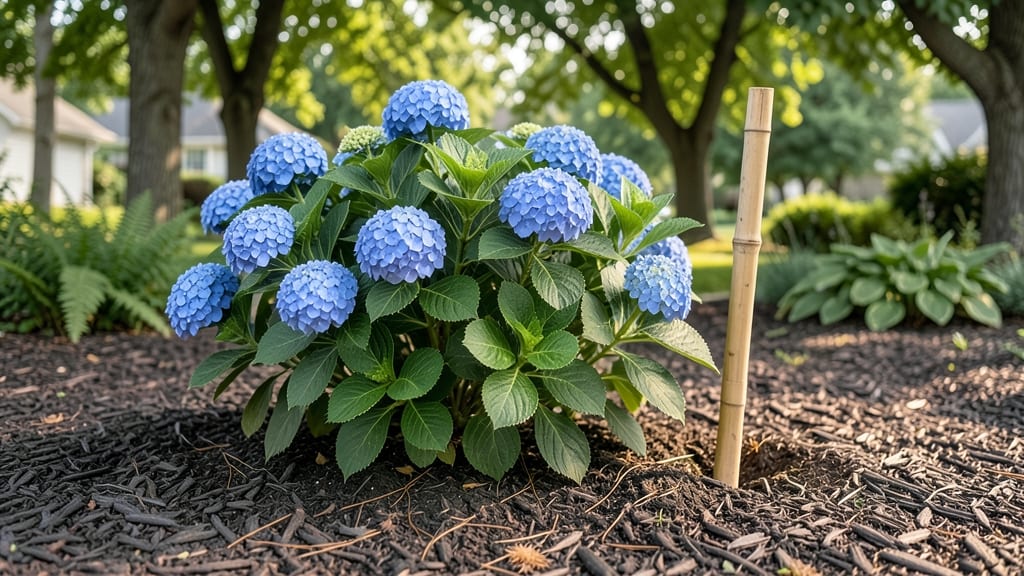
Shade hydrangeas thrive in Zone 5 when planted in partial to full shade, with cold-hardy varieties like Oakleaf (Hydrangea quercifolia) and Annabelle (Hydrangea arborescens) enduring temperatures down to -20°F (-29°C). Mulch heavily in winter and choose well-draining soil to prevent root damage from freeze-thaw cycles.
Zone 5 gardeners know harsh winters and hot summers demand resilient plants, and shade hydrangeas deliver stunning blooms while surviving extreme conditions. 🌿 The key is selecting varieties bred for cold tolerance—Oakleaf hydrangeas, for example, not only endure freezing temps but also boast beautiful fall foliage, while Annabelle types produce abundant blooms even in less-than-ideal sunlight.
Proper winter prep, like adding 4-6 inches of organic mulch after the first frost, creates an insulating barrier that protects roots from damaging temperature swings.
What sets these varieties apart is their ability to handle both winter dormancy and summer humidity without stress. I’ve seen Oakleaf hydrangeas recover beautifully after -20°F nights when planted in slightly acidic, well-draining soil—this prevents the root rot that often plagues other hydrangeas in Zone 5’s heavy clay soils.
The trade-off? You’ll need to prune strategically in late winter to encourage new growth while preserving last year’s flower buds.
💡 In This Article
- Cold-Hardy Hydrangea Varieties for Zone 5 Climates
- Zone 5 Hydrangea Planting and Winter Care Guide
Cold-hardy Hydrangea varieties for Zone 5 climates
The secret to thriving shade hydrangeas in Zone 5 lies in selecting varieties that balance cold hardiness with shade tolerance. Oakleaf hydrangeas (Hydrangea quercifolia) stand out with their USDA Zone 5-9 rating and distinctive oak-shaped leaves that turn fiery red in fall.
Their buds form on old wood, meaning they bloom on last year's growth, which is crucial for early spring color when winter dormancy ends. 🌿 Unlike some varieties, Oakleaf hydrangeas can handle 30-50% shade while still producing abundant white to pink blooms—ideal for northern gardens where full sun might scorch leaves.
Annabelle hydrangeas (Hydrangea arborescens) take cold endurance to another level, surviving down to -20°F (-29°C) when properly mulched. Their large, round blooms appear on new wood, making them more forgiving with pruning.
The 'Annabelle' cultivar produces pure white flowers that last from midsummer to fall, while 'Invincibelle Spirit' offers pink blooms with better disease resistance. These varieties thrive in partial shade (3-6 hours of morning sun)—critical for Zone 5's intense summer heat that can stress plants in full sun.
Limelight hydrangeas (Hydrangea paniculata) bring a different advantage with their Zone 4-8 hardiness and conical flower shapes that mature from green to pink. What makes them unique is their ability to tolerate full shade to partial sun, making them versatile for northern gardens where sunlight is limited.
Their blooms appear on new wood, so aggressive spring pruning won't sacrifice next year's flowers—a major plus for Zone 5 gardeners dealing with unpredictable winters. The trade-off? They require slightly more fertile soil than Oakleaf types.
Here's what sets these winners apart from other hydrangeas: Most bigleaf varieties (Hydrangea macrophylla) struggle in Zone 5's winters, with buds often killed by -10°F (-23°C) temperatures. Even when they survive, their blooms often appear on old wood, making them vulnerable to late frosts.
The cold-hardy varieties mentioned above have evolved thicker stems and deeper root systems that store more carbohydrates for winter survival—a biological adaptation that gives them a competitive edge in harsh climates.
Consider these growth habits when choosing: Oakleaf varieties grow 6-10 feet tall and wide, making them excellent specimen plants, while Annabelle types stay 3-5 feet tall—perfect for borders. Limelight hydrangeas can reach 8-12 feet but grow more upright, ideal for vertical accents.
All three varieties benefit from acidic soil (pH 5.5-6.2)—a key factor for optimal bloom color and nutrient uptake in Zone 5's often alkaline soils.
The science behind their cold tolerance involves specialized cells called laticifers that produce protective compounds during dormancy. These compounds act like antifreeze in plant cells, preventing ice crystal formation that would rupture cell walls.
Additionally, their root systems develop deeper in the soil profile where temperatures remain more stable—typically 12-18 inches below ground. This natural insulation explains why proper planting depth (with roots 2-3 inches below soil level) is critical for winter survival.