
Planting
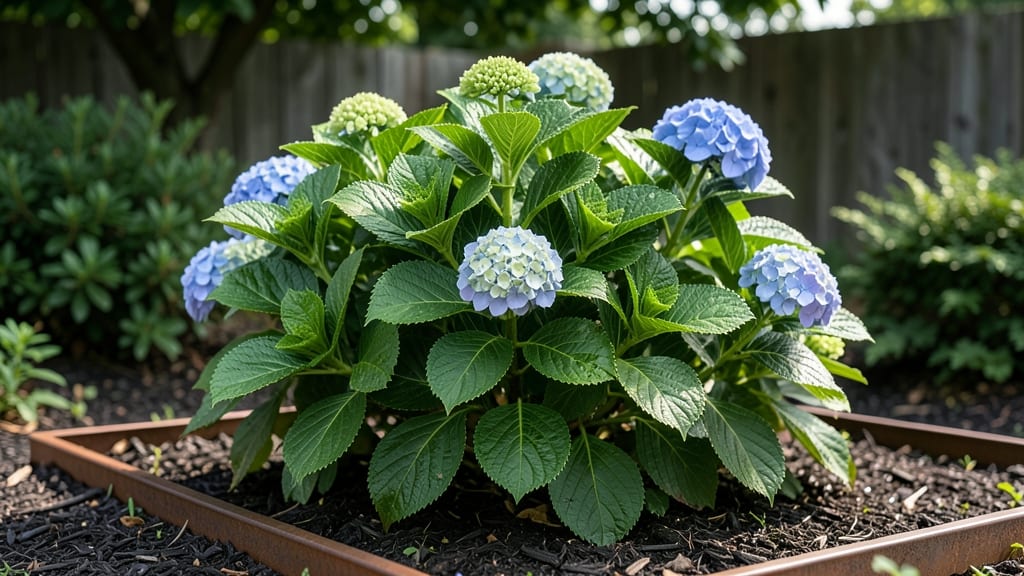
Shade hydrangeas thrive in Zone 7 gardens with varieties like Oakleaf, Bigleaf, and Panicle, which adapt beautifully to partial or full shade while producing lush, colorful blooms year after year. Focus on well-draining soil, regular watering, and a thick mulch layer to keep roots happy and blooms vibrant.
Zone 7's mild winters and humid summers create ideal conditions for shade-loving hydrangeas, but the key lies in choosing the right varieties and giving them proper care. 🌿 The Oakleaf variety stands out for its stunning fall foliage, while Bigleaf hydrangeas deliver bold, saturated colors that thrive in dappled light.
Panicle types, like 'Little Lime,' offer vertical interest and tolerate even deeper shade than their counterparts.
Beyond variety selection, timing matters most—plant in early spring or fall when soil temperatures are stable, and always amend heavy clay with compost to prevent root rot. I've found that morning sun with afternoon shade prevents leaf scorch while keeping blooms abundant.
For maximum impact, prune spent flowers in late summer and avoid heavy fertilizing, which can stress shade-adapted plants.
💡 In This Article
- Top Shade-Tolerant Hydrangea Varieties for Zone 7 Gardens
- Zone 7 Hydrangea Planting and Maintenance Checklist
Top shade-tolerant hydrangea varieties for Zone 7 gardens
The three main hydrangea types—Oakleaf, Bigleaf, and Panicle—each handle shade differently due to their unique leaf structures and flower biology. Oakleaf hydrangeas (Hydrangea quercifolia) have broad, oak-shaped leaves that capture light efficiently, making them thrive in 30-70% shade.
Their flowers develop on old wood, meaning they set buds in late summer for next year's blooms, which is why they're so forgiving in low-light conditions. The foliage turns fiery red or orange in fall, adding seasonal interest even when flowers fade.
Bigleaf hydrangeas (H. macrophylla), like 'Endless Summer,' produce their vibrant blooms on both old and new wood, giving them flexibility in pruning. They prefer morning sun with afternoon shade to prevent leaf scorch while maintaining their signature blue or pink flower colors.
The secret to their shade tolerance lies in their thick, waxy leaves that reduce water loss—a critical adaptation for Zone 7's humid summers where evaporation rates can exceed 0.25 inches per day.
Their flower heads contain sterile florets (showy petals) surrounding fertile florets (tiny green centers), which is why they appear so lush even in partial shade.
Panicle hydrangeas (H. paniculata), such as 'Limelight' or 'Little Lime,' are the most shade-tolerant of the bunch, often thriving in 20-50% shade while still producing their iconic cone-shaped flowers. Their vertical growth habit makes them perfect for tight garden spaces where light competition is fierce.
Unlike Oakleaf and Bigleaf types, Panicles bloom on new wood, meaning you can prune them in late winter without sacrificing next year's flowers. The key difference in their shade adaptation is their ability to photosynthesize efficiently through their stems (cladodes) when light is limited.
Here's what happens when you push these varieties beyond their shade limits: Oakleaf hydrangeas may produce fewer flowers, Bigleaf types can develop powdery mildew from stressed foliage, and Panicles might grow leggy with sparse blooms.
I've noticed that in full shade conditions (less than 30% light)**, all three varieties will still produce foliage, but Bigleaf hydrangeas often revert to green flowers (their natural color) instead of blue or pink. The solution?
Plant them where they'll get at least 4-6 hours of filtered light daily, especially during their bloom periods.
For Zone 7 gardeners, the best choice depends on your specific shade conditions and desired garden impact. If you want year-round interest, Oakleaf is unbeatable with its fall foliage. For bold color statements, Bigleaf varieties shine in dappled light.
And if you need vertical structure and late-season blooms, Panicle hydrangeas deliver. Each type responds differently to shade because their leaf chemistry and flower development processes evolved to maximize light capture in their native habitats.
Pro tip: When selecting a location, observe how light moves through your garden throughout the day. Morning sun with afternoon shade is ideal for most hydrangeas, as it prevents leaf scorch while allowing enough light for photosynthesis.
In areas with dense tree canopies, consider planting near the drip line where light filters through more evenly.