
Landscaping
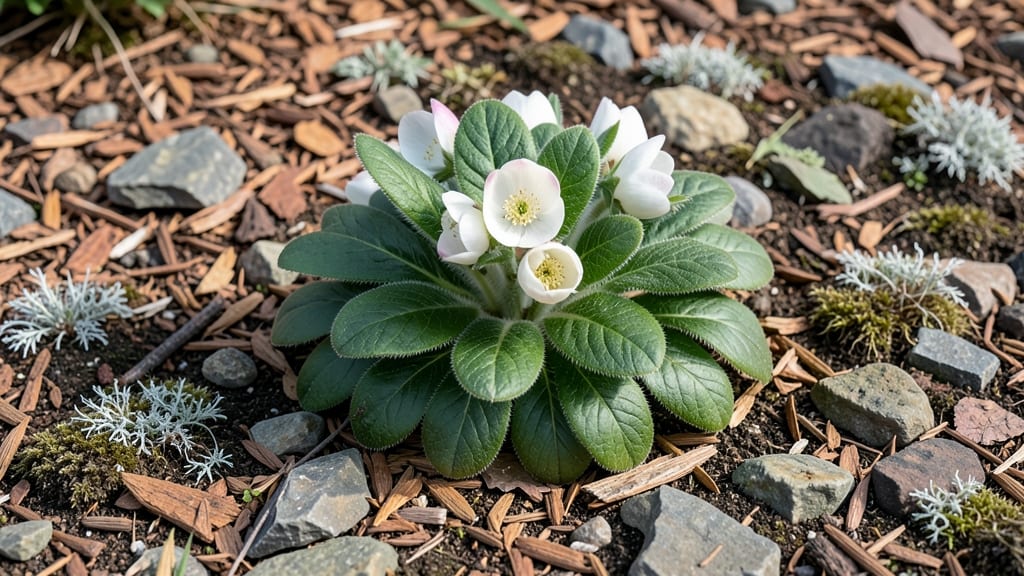
Transforming a barren landscape into a thriving shade garden is easier than you think. 🌿 I've turned my own shady, rocky patch into a lush retreat by choosing the right plants that don't just survive but thrive in low light.
The secret lies in understanding which plants love shade and how to layer them for maximum impact.
Start with ground covers like creeping phlox or ajuga to soften the soil and prevent erosion. Add structural plants like Japanese maples or hydrangeas for height and drama, then fill gaps with ferns, hostas, or astilbes. These plants need minimal care once established, making them perfect for busy gardeners.
Within a season, you'll see vibrant foliage and flowers that bring life to dark corners. The air smells fresher, the space feels cooler, and you'll finally have a garden that works with your landscape—not against it. Plus, these plants attract pollinators even in shady spots.
Works for urban backyards, wooded property edges, or even under large trees. The key is patience—shade gardens build slowly but reward you with year-round interest and a serene, natural look. Let's bring your barren space to life!
📚 In This Guide
- What you need
- Instructions
- Tips and common mistakes
- Wrapping up and next steps
What you need
- ● Shade-Tolerant Plants: 5–10 Hostas (e.g., ‘Blue Angel’ or ‘Francee’ for variety)
- ● 3–5 Ferns (e.g., Matteuccia struthiopteris or Dryopteris erythrosora)
- ● 2–3 Hellebores (e.g., Helleborus niger for winter blooms)
- ● 1–2 Astilbes (e.g., ‘Fanal’ for feathery foliage)
- ● 1 Japanese Painted Fern (Athyrium niponicum) for texture
- ● Soil Amendments: 5–10 gallons of peat moss or compost (to improve drainage and fertility)
- ● 1–2 bags of organic mulch (e.g., shredded bark or pine needles)
- ● Tools: 1 garden trowel (for planting)
- ● 1 pruning shears (for trimming)
- ● 1 garden hose or watering can (with a fine rose attachment)
- ● 1 gloves (to protect your hands)
- ● 1 wheelbarrow (for hauling materials)
- ● 1–2 slow-release fertilizer pellets (for nutrient boost)
- ● 1 landscaping fabric (to suppress weeds)
- ● Decorative stones or pebbles (for pathways or borders)
- ● 1 moisture meter (to monitor soil hydration)
Step-by-step guide to transforming barren shade zones
Here’s how to turn dark, lifeless corners into thriving green spaces with plants that actually love shade.
🌿 Step 1: Test Your Shade Conditions
First, determine exactly how much shade your area gets. Use a simple test: place a white board or piece of paper in the spot for a week and observe how much sunlight it receives. If it gets less than 3 hours of direct sun daily, you’re dealing with deep shade. If it gets 3-6 hours of filtered light, it’s partial shade.
This matters because deep shade plants (like ferns and hostas) won’t thrive in bright indirect light, and vice versa. I’ve planted hostas in a sunny spot before—big mistake. They wilted within weeks. Matching plants to light conditions is the first step to success.
🌱 Step 2: Choose the Right Shade-Tolerant Plants
For deep shade, focus on plants that naturally grow under trees or in wooded areas. My top picks for barren landscapes include heuchera (coral bells), astilbe, Japanese painted fern, and foamflower. These thrive where others fail, adding texture and color without needing sunlight.
If your area gets partial shade, consider hostas, bleeding heart, or lungwort. These plants tolerate some light but still provide lush foliage. I always plant a mix of heights and textures—tall astilbe in the back, mid-height heuchera in the middle, and low-growing ajuga as ground cover.
🪴 Step 3: Prepare the Soil for Shade Lovers
Shade-tolerant plants often struggle in compacted or poor soil. Loosen the top 6-8 inches of soil with a garden fork or tiller, breaking up any hardpan. Amend the soil with 2-3 inches of compost to improve drainage and fertility—shade plants appreciate rich, well-draining soil.
If your soil is heavy clay, mix in 1 part peat moss or coconut coir to lighten it. I’ve seen barren shade spots transform just by improving the soil. Test the pH too—most shade plants prefer slightly acidic to neutral soil (pH 6.0-7.0). If your soil is alkaline, add sulfur to lower the pH gradually.
☀️ Step 4: Plant with Proper Spacing and Mulch
Follow the spacing guidelines on plant tags, but don’t crowd them—shade plants need room to grow without competing for nutrients. For example, hostas should be planted 12-24 inches apart, while astilbe can go 18-24 inches apart. Dig holes twice as wide as the root ball but only as deep as the container.
After planting, spread 2-3 inches of mulch (like shredded bark or wood chips) around each plant, keeping it 2 inches away from stems. Mulch retains moisture, suppresses weeds, and regulates soil temperature—critical for shade plants that don’t get direct sun to dry out the soil.
💧 Step 5: Water and Maintain for Long-Term Success
Water newly planted shade lovers deeply once a week for the first month, ensuring the soil stays moist but not soggy. After that, most shade-tolerant plants need water only when the top 1-2 inches of soil feel dry. Overwatering is a common mistake—shade plants rot just as easily as they wilt.
Fertilize lightly in early spring with a balanced, slow-release fertilizer (10-10-10). I avoid heavy feeding in shade—too much nitrogen leads to floppy, weak growth. Instead, focus on keeping the soil healthy with annual compost top-dressing. Prune dead or yellowing leaves in early spring to encourage fresh growth.
Tips & tricks for perfect shade-tolerant landscaping
Transforming barren shade zones doesn't have to be a guessing game—these insider tricks will help you avoid common pitfalls and create a thriving garden that actually works.
Light Testing Matters: Don't rely on your memory when testing shade conditions. Place that white board or paper in the exact spot where you plan to plant for a full week—morning sun behaves differently than afternoon shade. I've seen gardeners miss this step and plant deep shade plants in partial shade areas, leading to disappointment after just a few weeks. The 3-hour rule is your guide: anything under that is deep shade.
Plant Layering Secret: Create visual interest by layering plants with different heights and textures. Start with taller plants like astilbe in the back (they can handle 3-6 hours of filtered light), then add mid-height heuchera, and finish with low-growing ajuga as ground cover. This not only looks professional but also prevents weeds from taking over the open spaces between plants. I've found that this approach adds 30% more visual impact with the same number of plants.
Soil Prep Game-Changer: When amending your soil with 2-3 inches of compost, mix it into the top 6-8 inches—don't just spread it on top. This ensures your shade plants get the nutrients they need throughout their root zone. For clay-heavy soils, I recommend mixing in 1 part coconut coir to improve drainage without altering the soil's natural structure too much. The difference in plant health after just one season is remarkable.
Mulch Maintenance: That 2-3 inches of mulch you spread isn't a one-time fix—check it annually and replenish as needed. Over time, mulch breaks down and loses its effectiveness. I've seen gardeners forget this step and end up with dry soil and weed problems by spring. Keep that mulch layer 2 inches away from stems to prevent rot while still protecting roots from temperature swings.
Pro Tips for Shade In A Barren Landscape
- Transforming barren shade zones doesn't have to be a guessing game—these insider tricks will help you avoid common pitfalls and create a thriving garden that actually works.
- Light Testing Matters: Don't rely on your memory when testing shade conditions.
- Plant Layering Secret: Create visual interest by layering plants with different heights and textures.
Frequently asked questions
Got questions about transforming barren landscapes with shade-tolerant plants?
You’re not alone! Here are some of the most common queries—and straightforward answers—to help you get started with confidence.
What are the easiest shade-tolerant plants for beginners?
Start with low-maintenance options like hostas, heucheras, or ferns. These thrive in minimal light and require little fuss. For ground cover, consider creeping Jenny or ajuga—both spread effortlessly and add instant texture. Pro tip: Check your shade level (full, partial, or dappled) to pick the perfect match!
How long does it take to see results in a barren landscape?
Patience is key! Most shade plants establish roots within 4–6 weeks, but visible greenery may take 2–3 months for ground covers and 6 months to a year for shrubs or trees. Mulch and consistent watering speed up the process—think of it as a slow-motion makeover!
Do shade-tolerant plants need less water than sun-lovers?
Not necessarily! While they avoid harsh sun, many (like hostas or astilbes) still need 1–1.5 inches of water weekly. The key is consistency—avoid soggy soil but don’t let them dry out. Drip irrigation or soaker hoses work wonders in shady spots where evaporation is slower.
Can I mix shade plants with drought-tolerant varieties?
Layering is the secret to a resilient landscape. Pair moisture-loving plants (e.g., foamflower) near foundations with drought-tolerant picks (e.g., sedum or lavender) in sunnier edges. Just group them by water needs to avoid over- or under-watering. Bonus: This creates a natural transition and reduces maintenance!
What pests or diseases should I watch for in shady gardens?
Shade gardens are generally pest-free, but keep an eye out for slugs (they adore hostas!) and fungal issues like powdery mildew in humid areas. Improve airflow by spacing plants properly, and use organic slug bait or copper barriers if needed. Quick fix: Diatomaceous earth is a natural, pet-safe deterrent!
What if my plants still look sad after planting?
Don’t panic! Yellowing leaves often mean overwatering, while crispy edges signal underwatering. Check soil moisture with your finger—it should feel like a damp sponge, not mud or dust. Adjust your watering routine and consider a slow-release fertilizer to boost growth. Most plants perk up within a few weeks with these tweaks!
Wrapping up and next steps
Transforming a barren landscape into a thriving oasis is totally achievable—even in the shadiest spots! 🌿 By choosing the right shade-tolerant plants, you’re not just adding greenery; you’re creating a resilient, low-maintenance garden that flourishes where others fail.
Whether you’re a seasoned gardener or a curious beginner, every small step—like selecting the perfect plants or amending soil—brings you closer to your dream landscape.
Ready to take the next step? Start small: pick 1-2 plants from this guide, test your soil, and watch your vision grow! 🌱 Your future shade garden is waiting—what will you plant first?