
Flowers
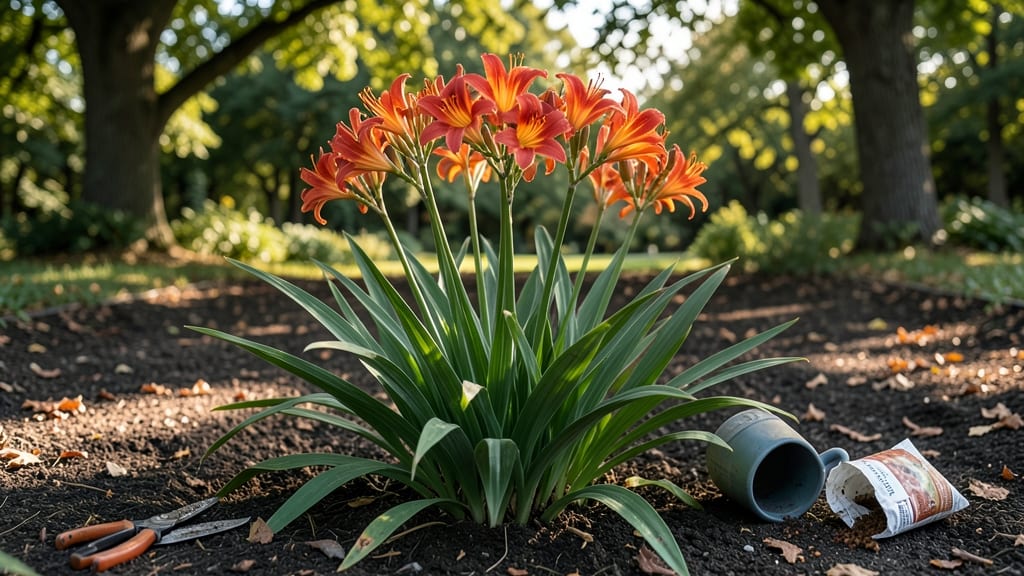
Growing a shade lily plant 🌸 in your garden means you can finally bring vibrant blooms to those tricky, low-light spots where other flowers struggle.
Picture this: a corner of your yard that gets little to no direct sunlight, yet you still want to see those cheerful blooms popping up season after season. With the right care, your shade lilies can thrive and even outshine sun-loving plants.
These hardy perennials aren’t picky about soil or water, but they do need a few key things to stay healthy and keep blooming.
From choosing the right variety to understanding their water and light needs, I’ll walk you through everything you need to know to keep your shade lilies looking their best.
Ready to transform those dim corners into a lush, flowering oasis? Let’s dive into the secrets of keeping your shade lilies happy and blooming year-round.
 Best Window Placement
Shade lily plant varieties: best types for low-light gardens
If you've ever thought shady garden spots were hopeless for vibrant blooms, think again! The right shade lily varieties can transform dim corners into lush displays of color. These plants thrive where others falter, offering year-round interest with minimal sunlight.
Whether you're working with deep woodland shade or just a dappled light situation, these top performers deliver stunning results with the right care.
My garden's north-facing border used to be a blank canvas—until I discovered these shade-loving stars. The key is selecting varieties that match your specific light conditions. Some shade lilies handle full shade beautifully, while others prefer partial shade with morning sun.
Let's explore the best options to bring life to your darkest garden nooks.
🌱 Did You Know? Some shade lilies can actually bloom longer in low light because they avoid the stress of intense afternoon sun. This makes them perfect for urban gardens with limited sunlight or woodland garden settings where sunlight is scarce.
| Variety | Light Needs | Bloom Time | Height | Special Features |
|---|---|---|---|---|
| Hosta 'Blue Angel' | Full shade | Summer | 18-24" | Striking blue foliage |
| Hemerocallis 'Stella de Oro' | Partial shade | Spring-Fall | 12-18" | Compact, continuous blooms |
| Iris siberica 'Caesar's Brother' | Partial shade | Late spring | 24-30" | Vibrant purple blooms |
| Lilium 'Casablanca' | Partial shade | Summer | 36-48" | Fragrant white blooms |
| Astilbe 'Fanal' | Full shade | Mid-summer | 18-24" | Feathery pink plumes |
| Funkia 'Tricolor' | Full shade | Summer | 12-18" | Variegated foliage |
Let's start with Hosta varieties, the undisputed kings of shade gardens. These plants offer foliage interest year-round with their striking leaves, plus many produce lavender or white blooms in summer. 'Blue Angel' is my personal favorite—its deep blue leaves create a stunning contrast against darker garden backgrounds.
For a taller statement, try 'Francee' which reaches 3 feet tall with chartreuse foliage.
If you want continuous blooms rather than just foliage, daylilies (Hemerocallis) are the answer. The 'Stella de Oro' variety is a shade-tolerant superstar that produces golden blooms from spring through fall.
It's perfect for container gardens or as a border edging plant. For something more dramatic, Iris siberica varieties like 'Caesar's Brother' deliver vibrant purple flowers that stand out against dark foliage.
Don't overlook Lilium species for your shade garden—many shade-tolerant lilies like 'Casablanca' thrive with just morning sun. These plants offer elegant white blooms with a delicate fragrance that elevates any garden space. Their taller stature makes them perfect for back-of-border plantings where they can be seen from a distance.
For textural interest, consider adding Astilbe varieties to your shade garden. These plants produce feathery plumes in shades of pink, red, and white that dance in the breeze. 'Fanal' is particularly striking with its deep red plumes that contrast beautifully with hosta foliage.
They're also deer-resistant, making them ideal for rural gardens.
My final shade garden essential is Funkia, also known as hosta's cousin. The 'Tricolor' variety offers stunning variegated leaves with stripes of white, green, and pink.
This plant provides year-round interest and handles full shade beautifully. Pair it with ferns and moss for a natural woodland look that feels magical.
When selecting your shade lily varieties
Step-by-step shade lily care: watering, soil, and fertilizing for blooms
Shade lilies thrive in low-light spaces but need precise care to reward you with vibrant blooms year-round. The key lies in moisture-rich soil, strategic watering, and organic fertilizers tailored to their low-light needs.
Unlike sun-loving varieties, shade lilies rely on you to mimic their natural damp, shaded habitats—think dense forests rather than sunbaked meadows.
Start with well-amended soil that retains moisture without becoming waterlogged. A pH between 6.0 and 7.0 ensures nutrient availability, while organic matter like compost boosts microbial activity. Without these foundations, even the hardiest shade lily will struggle to produce those show-stopping flowers you crave.
Shade Lily Care Checklist
- Step 1: Soil Prep – Mix 30% compost with native soil to improve drainage and moisture retention. Test pH and amend with lime (for acidic soil) or sulfur (for alkaline soil) to reach 6.0–7.0.
- Step 2: Watering Schedule – Water deeply 2–3 times per week in spring/summer, reducing to once weekly in fall/winter. Always water at soil level to avoid fungal issues.
- Step 3: Fertilizing – Apply balanced organic fertilizer (5-10-10) in early spring and mid-summer. Use fish emulsion or worm castings for gentle nutrient boosts.
- Step 4: Mulching – Spread 2–3 inches of mulch (shredded bark or leaves) to retain moisture and regulate soil temperature. Replenish annually.
- Step 5: Deadheading – Remove spent blooms regularly to encourage continuous flowering. Trim foliage back in late fall to prepare for dormancy.
Watering is where many gardeners trip up. Shade lilies despise soggy roots, which lead to rot, but they also hate drought stress. Aim for consistent moisture—think of a damp sponge, not a dripping faucet.
In containers, check soil moisture daily; ground-planted lilies need weekly deep watering during their active growing months.
Fertilizing should mirror their natural nutrient cycles. Early spring is prime time for a light feed to kickstart growth, while mid-summer provides a boost for extended blooming. Avoid synthetic fertilizers—they can burn delicate roots. Instead, opt for slow-release organic options like bone meal or compost tea for steady nourishment.
Don’t overlook the power of mulching. A thick layer of organic mulch acts like a moisture blanket, reducing evaporation and suppressing weeds. It also keeps soil temperatures stable, which is critical for shade lilies in hot climates.
For best results, use shredded hardwood mulch—it breaks down slowly and improves soil structure over time.
With these steps, your shade lilies will reward you with bold, long-lasting blooms even in the dimmest corners of your garden. The secret? Mimic their natural habitat—moist, rich soil, gentle watering, and organic nourishment. Your low-light oasis will soon become the envy of the neighborhood! 🌿