
Light Requirements
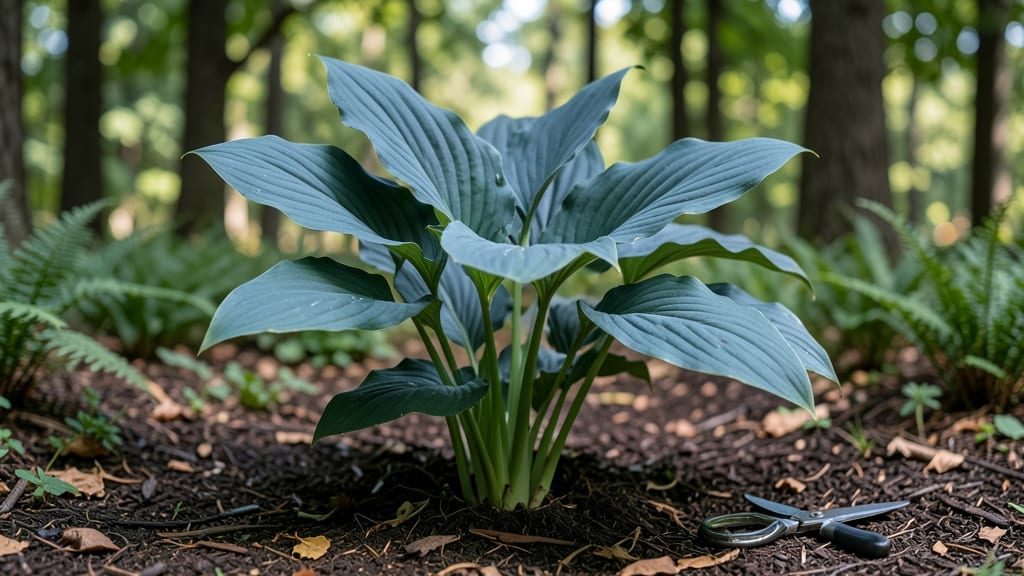
Shade-loving plants in Zone 6 don't just survive—they thrive with bold, velvety foliage and surprising blooms. 🌿 I've transformed my darkest corner into a lush retreat by choosing plants that love deep shade, from delicate ferns to hardy hostas, and they've never looked back.
The secret isn't fighting the shade but working with it—selecting plants that naturally flourish where others fade.
You'll want plants that tolerate 3-6 hours of dappled light or even full shade, with soil that stays consistently moist but well-drained. Native species like Virginia creeper and foamflower handle Zone 6's humidity and temperature swings like pros, while heuchera and astilbe add vibrant color without demanding sun.
The key is matching leaf texture, growth habit, and bloom time to create layers that feel intentional.
By mid-summer, your shade garden will burst with textured foliage and unexpected blooms—think hosta leaves the size of dinner plates and toad lilies nodding in the dim light. These plants reward patience with year-round interest, from spring's delicate flowers to fall's fiery foliage.
The best part? They cut down on maintenance while keeping your landscape vibrant.
Works for woodland gardens, foundation plantings, or even under trees where grass won't grow. Here's how to pick the perfect mix for your space—no black thumb required.
📚 In This Guide
- What you need
- Instructions
- Tips and common mistakes
- Wrapping up and next steps
What you need
- ● Shade-loving plants (Zone 6 hardy): Hostas (e.g., Hosta sieboldiana or Hosta lancifolia) – 3–5 plants
- ● Ferns (e.g., Matteuccia struthiopteris or Dryopteris marginalis) – 2–4 plants
- ● Hellebores (Helleborus niger or Helleborus orientalis) – 3–5 plants
- ● Astilbes (Astilbe chinensis) – 2–3 plants
- ● Lungwort (Pulmonaria spp.) – 3–5 plants
- ● Soil amendments: Compost (5–10 lbs per plant)
- ● Peat moss or coconut coir (1–2 bags, 2–3 cubic feet each)
- ● Mulch: Shredded bark or pine needles (2–3 cubic feet)
- ● Garden tools: Trowel or hand shovel
- ● Garden gloves (1 pair)
- ● Watering can or hose with spray nozzle
- ● Pruners (for trimming)
- ● Slow-release fertilizer (e.g., 10-10-10, 1–2 lbs)
- ● Mulch ring or landscape fabric (to retain moisture)
- ● Garden stakes or labels (for plant identification)
- ● Drip irrigation system (for consistent watering)
- ● Decorative rocks or stepping stones (for pathways)
Shade-loving plants Zone 6: step-by-step planting guide
Here’s how to transform your darkest corners into lush, year-round gardens using hardy Zone 6 shade plants.
🌿 Step 1: Select the Right Shade-Tolerant Plants for Zone 6
Start with plants that thrive in partial to full shade and can handle Zone 6’s cold winters. My top picks include hostas (for foliage), heucheras (for color), astilbes (for airy plumes), and ferns (for texture). These plants need 4+ hours of dappled light at most—any more sun risks scorching their leaves.
Check your site’s light conditions first: morning sun with afternoon shade is ideal for most shade plants. If your spot gets no direct light, opt for ferns, lungwort (Pulmonaria), or Japanese painted ferns. Avoid sun-loving plants like lavender or sedum—they’ll struggle and send you back to the nursery.
🪴 Step 2: Prepare the Soil for Moisture-Retentive Growth
Shade plants often have shallow roots and need well-draining yet moisture-retentive soil. Amend your existing soil with 2-3 inches of compost and a handful of peat moss or coconut coir to improve water retention. I like to mix in a slow-release organic fertilizer (like 5-5-5) at planting time to give roots a nutrient boost without burning them.
Test your soil’s moisture level before planting: Stick your finger 2 inches deep—if it feels dry, your soil drains too fast. If it’s soggy, add perlite or coarse sand to loosen it. Shade plants hate soggy roots, but they also wilt quickly in dry soil. Aim for soil that feels like a wrung-out sponge: damp but not dripping.
☀️ Step 3: Plant at the Correct Depth and Spacing
Dig holes twice as wide as the root ball but only as deep as the container’s base. Gently remove plants from their pots and loosen tangled roots with your fingers—this encourages them to spread into the new soil. Place each plant so the top of the root ball sits level with the ground (never buried deeper than it was in the pot).
Space plants according to their mature size: hostas need 2-3 feet apart, heucheras do well 18-24 inches apart, and ferns thrive 12-18 inches apart. Crowding leads to competition for water and nutrients, which weakens growth. After planting, water deeply to settle the soil and eliminate air pockets around the roots.
💧 Step 4: Water Deeply and Mulch for Year-Round Care
Water newly planted shade lovers once a week (or more in hot spells) until they’re established—look for new growth as your cue that they’re settling in. After the first month, reduce watering to every 10-14 days, checking the top 2 inches of soil before watering. Shade plants signal thirst by drooping leaves or crispy edges, not wilting like sun-lovers.
Apply a 3-inch layer of mulch (shredded bark or leaves) around each plant, keeping it 2 inches away from stems to prevent rot. Mulch locks in moisture, regulates soil temperature, and suppresses weeds—critical in shade where grass and weeds compete aggressively. Replenish mulch annually in early spring to maintain its protective layer.
✂️ Step 5: Prune and Divide as Needed for Long-Term Health
Most shade plants need minimal pruning, but remove dead or yellowed leaves in early spring to encourage fresh growth. For hostas, cut back any blackened foliage from winter freeze-thaw cycles. Astilbes and heucheras benefit from a light trim after flowering to tidy their appearance and redirect energy to next year’s blooms.
Divide clumps every 3-4 years in early spring or fall to rejuvenate plants. Dig up the entire clump, separate it into 3-5 inch sections with roots intact, and replant immediately. This prevents overcrowding and keeps plants vigorous. Shade plants often signal they’re ready to divide when their growth slows or their center leaves die back—don’t wait too long!
Tips & tricks for perfect shade plant gardens in Zone 6
Transforming dark corners into vibrant gardens takes more than just planting—here's how to ensure your shade plants thrive year-round.
Light Analysis: Don't rely solely on your initial assessment of shade conditions. Install a light meter or use a simple app to track light exposure throughout the day for at least 48 hours. I've seen gardeners assume an area gets morning sun when it actually receives intense midday rays that can scorch tender foliage. This precise data helps you select the perfect shade-tolerant varieties for each microclimate in your garden.
Soil Preparation Strategy: When amending soil with the recommended 2-3 inches of compost and peat moss, mix these ingredients thoroughly into the existing soil—not just top-dress. I've found that many gardeners create a compost "sandwich" where the native soil remains compacted below, preventing proper root penetration. Use a garden fork to loosen the soil 6-8 inches deep before adding amendments for best results.
Planting Depth Precision: The instructions mention planting at the correct depth, but here's the secret: create a small mound of amended soil in the center of your planting hole. This ensures the root ball sits perfectly level with the surrounding soil while preventing settling that could bury stems. For container-grown plants, gently squeeze the sides of the pot to encourage roots to spread outward before planting.
Mulching Mastery: While the 3-inch mulch layer is ideal, consider using a double-layer system for extra protection. Apply 1 inch of coarse wood chips first to improve drainage, then add your 3-inch layer of shredded bark. This prevents soil compaction while maintaining moisture regulation. I've noticed this method particularly benefits ferns and heucheras, which are sensitive to soil temperature fluctuations.
Pro Tips for Shade Loving Plants Zone 6
- Transforming dark corners into vibrant gardens takes more than just planting—here's how to ensure your shade plants thrive year-round.
- Light Analysis: Don't rely solely on your initial assessment of shade conditions.
- Soil Preparation Strategy: When amending soil with the recommended 2-3 inches of compost and peat moss, mix these ingredients thoroughly into the existing soil—not just top-dress.
Frequently asked questions
Got questions about keeping your shady spots lush and green in Zone 6? You’re not alone! Here are answers to the most common concerns—so you can plant with confidence, even in the darkest corners of your garden.
What are the easiest shade-loving plants for beginners in Zone 6?
Start with hostas, heucheras, or astilbes—they’re hardy, low-maintenance, and thrive in partial to full shade. For ground cover, lamium or foamflower add texture without fuss. Pro tip: Choose plants labeled "Zone 3-8" for extra resilience!
When is the best time to plant shade-loving perennials in Zone 6?
Plant in early spring (after the last frost, around April) or early fall (September-October). This gives roots time to establish before harsh winters or summer heat. Bulbs like ferns or hellebores can even go in late fall—just mulch well!
How do I know if my shade is "true shade" or just "partial shade"?
True shade gets less than 3 hours of direct sun daily; partial shade gets 3–6 hours. Observe your spot for a week—use a sun calculator app or stake to track light. Adjust plant choices: Ferns and lungwort love deep shade; impatiens or coleus tolerate partial shade.
Why are my shade plants yellowing or wilting in Zone 6?
Yellow leaves often signal overwatering (shady spots stay soggy) or nutrient deficiency. Check soil moisture—water only when the top 1–2 inches are dry. Add compost or slow-release fertilizer in spring. Fungal issues? Improve airflow and avoid wetting foliage.
Can I grow shade-loving plants in containers in Zone 6?
Use well-draining pots (12+ inches deep) with moisture-retentive soil (add perlite). Great container picks: Japanese painted ferns, caladiums, or ivy. Move pots to brighter spots in winter if needed—just avoid sudden temperature swings!
What’s a good alternative if my shade area stays wet all the time?
Opt for bog-loving plants like carex sedges, marsh marigolds, or tiarella (foamflower). Amend soil with sand or gravel to improve drainage, or create a raised bed. Avoid heavy feeders like hostas—they rot in waterlogged soil.
Wrapping up and next steps
Transforming your shady Zone 6 garden into a lush, vibrant oasis is easier than you think!
With the right shade-loving plants, you can create a thriving space that blooms year-round—no direct sunlight required. 🌿 From ferns and hostas to heucheras and astilbes, these hardy beauties bring color, texture, and life to even the darkest corners.
Ready to get started? Pick 2-3 plants that catch your eye, sketch a simple layout, and dive in! Whether you’re a beginner or a seasoned gardener, every shady patch is an opportunity to grow something extraordinary. Happy planting! 🌱