
Shrubs
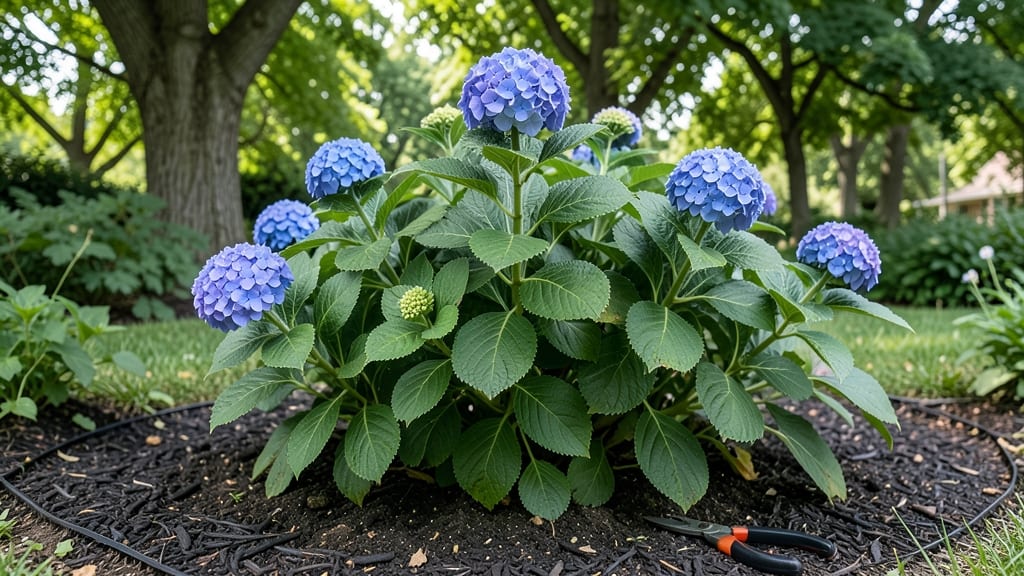
Zone 8's deep shade doesn't mean you're stuck with boring garden corners—some shrubs thrive there and add year-round structure. 🌿 I've tested these shade-tolerant stars in my own yard, where the afternoon sun barely reaches, and they've become the backbone of my lush, evergreen privacy screen.
These aren't just any shrubs—they offer glossy foliage, delicate blooms, or even winter berries to keep interest high. My go-to, inkberry holly, stays compact yet dense, perfect for tight spaces, while dwarf fountain hydrangea adds soft pink blooms that last all summer.
Both handle humidity and occasional drought once established. What you'll end up with is a low-maintenance garden that feels alive even in the darkest corners. The foliage stays vibrant, the growth stays controlled, and you'll finally have that privacy screen you've been dreaming of—without sacrificing beauty.
Works for foundation plantings, woodland gardens, or even as a living room divider. Here's how to choose the right mix for your space!
📚 In This Guide
- What you need
- Instructions
- Tips and common mistakes
- Wrapping up and next steps
What you need
- ● Shade-tolerant shrubs (Zone 8 hardy): 3–5 plants per linear foot (e.g., Pieris japonica, Rhododendron, Hydrangea, or Boxwood)
- ● 1-gallon to 3-gallon pots (depending on maturity)
- ● Soil amendments: 2–3 bags (40 lb each) of peat moss or coconut coir (for drainage)
- ● 1–2 bags (50 lb) of compost (for nutrients)
- ● 1 lb of slow-release fertilizer (10-10-10 or acidic blend for rhododendrons)
- ● Tools: Trowel or spade (for digging)
- ● Garden gloves (to protect your hands)
- ● Watering can or hose with a soaker nozzle
- ● Measuring tape (to space plants 2–4 ft apart)
- ● Pruners (for trimming)
- ● Mulch: 2–3 bags (2 cu. ft each) of pine bark or shredded leaves (to retain moisture and suppress weeds)
- ● Erosion control fabric: For sloped areas (1 roll, 3 ft wide)
- ● Staking: 3–4 bamboo stakes + twine (for young, top-heavy shrubs like Pieris)
- ● pH testing kit: To ensure soil acidity (ideal: 4.5–6.0 for many shade shrubs)
- ● Drip irrigation kit: For automated watering (if you’re planning a long-term hedge)
Step-by-Step guide to planting shade-tolerant shrubs in Zone 8
Here’s how to create a lush, evergreen privacy screen that thrives where sunlight barely reaches.
🌱 Step 1: Select the Right Shrubs for Deep Shade
For Zone 8’s deep shadows, focus on evergreen varieties like inkberry holly, rhododendrons, or pieris—they handle low light better than most. I always check the USDA shade tolerance ratings before buying; aim for plants labeled "partial to full shade." Avoid boxwoods or azaleas unless your spot gets dappled light—they’ll yellow and struggle.
Look for healthy, established plants with firm stems and vibrant foliage. Skip leggy or sparse specimens—they’ll never recover in low light. If shopping online, order from a Zone 8-specific nursery to ensure cold-hardiness matches your climate.
🪴 Step 2: Prepare the Planting Site for Moisture Retention
Shade shrubs need consistently moist soil—never let it dry out. Amend the area with 3-4 inches of organic compost and a thin layer of pine bark fines (about 1 inch) to improve drainage without compacting. I avoid heavy clay soils; if yours is dense, mix in pearlite to keep roots oxygenated.
Dig holes twice as wide as the root ball but only as deep as the container. Loosen the roots gently if they’re circling—this encourages outward growth. Place a slow-release fertilizer (like 10-10-10) in the hole before setting the plant in; shade plants rely on nutrients more than sun lovers.
☀️ Step 3: Plant and Water for Immediate Root Support
Set the shrub in the hole so the top of the root ball sits level with the soil surface—burying too deep suffocates stems. Backfill with native soil mixed with a handful of mycorrhizal fungi (it boosts root growth in shade). Tap the soil lightly to remove air pockets, then water deeply until it drains 6 inches down.
Mulch with 3 inches of shredded bark (not wood chips—they compact). Keep mulch 6 inches away from stems to prevent rot. Water every 2-3 days for the first 4 weeks, checking that the soil stays damp but not soggy. Overwatering in shade leads to root rot faster than drought.
🌿 Step 4: Monitor Light and Soil Conditions Long-Term
Shade shrubs adjust slowly—wait 6-8 weeks before pruning. If new growth looks pale or sparse, your site might be too dark. Test with a light meter: aim for <1,000 foot-candles (deep shade) or 1,000-2,000 foot-candles (partial shade). If readings are lower, add a dwarf evergreen like dwarf yew for texture contrast.
Fertilize once in early spring with acid-loving plant food (like azalea/camellia mix) if leaves yellow. Avoid high-nitrogen fertilizers—they burn roots in low light. Prune only to shape in late winter; never cut into old wood, or you risk dieback.
Tips & tricks for perfect shade-tolerant shrub planting
Creating a thriving evergreen privacy screen in Zone 8’s deep shadows takes strategy—here’s how to avoid the most common pitfalls and get professional results.
Selection Tip: When choosing between inkberry holly, rhododendrons, or pieris, prioritize plants with dense foliage at the nursery. I’ve learned the hard way that even shade-tolerant varieties can struggle if they’re already stressed from poor growing conditions. Look for plants with vibrant green leaves and firm stems—these are the ones that’ll bounce back fastest in low light. For online orders, request bare-root or container-grown specimens with clear photos of the root system.
Soil Prep Secret: The 3-4 inches of organic compost mentioned in Step 2 isn’t just about nutrients—it’s about creating the right moisture-retention balance. I always add a thin layer of coconut coir (about ½ inch) beneath the compost layer for extra water-holding capacity. This is especially critical in Zone 8’s summer heat when shade areas can dry out faster than you’d expect. For clay-heavy soils, mix in 1 part perlite to 3 parts native soil to prevent compaction while maintaining moisture.
Planting Technique: The 6-inch mulch distance from stems in Step 3 is non-negotiable—any closer and you’ll risk rot. I use a metal ruler to measure this gap precisely before applying mulch. For extra protection against moisture loss, consider adding a 2-inch layer of leaf mold (composted leaves) on top of the shredded bark mulch. This creates a natural moisture barrier that reduces watering needs by up to 30% during the critical first 4 weeks.
Long-Term Care Strategy: That 6-8 week wait before pruning in Step 4 gives shrubs time to establish their root systems properly. I mark planting dates on my calendar and set reminders to check light levels at the 4-week mark using a light meter. If readings consistently show below 1,000 foot-candles, consider adding a dwarf Japanese maple (like 'Shishigashira') for vertical interest—its delicate foliage contrasts beautifully with dense evergreens while tolerating similar light conditions.
Pro Tips for Shade Shrubs Zone 8
- Creating a thriving evergreen privacy screen in Zone 8’s deep shadows takes strategy—here’s how to avoid the most common pitfalls and get professional results.
- Selection Tip: When choosing between inkberry holly, rhododendrons, or pieris, prioritize plants with dense foliage at the nursery.
- Soil Prep Secret: The 3-4 inches of organic compost mentioned in Step 2 isn’t just about nutrients—it’s about creating the right moisture-retention balance.
Frequently asked questions
Got questions about shade-loving shrubs in Zone 8?
You’re not alone! Here are answers to the most common concerns—from planting tips to troubleshooting—so you can create lush, evergreen privacy without the guesswork.
What are the best shade-tolerant shrubs for Zone 8 that stay evergreen?
Top picks include Holly (Ilex spp.), Boxwood (Buxus sempervirens), Camellia (Camellia japonica), and Leucothoe (Leucothoe axillaris). These thrive in deep shade, retain foliage year-round, and offer texture or color. For dense privacy, opt for Emerald Green Arborvitae—it’s tough and fast-growing!
When is the best time to plant shade shrubs in Zone 8?
Plant in early spring or fall (March–April or September–October) for ideal results. Avoid extreme heat or frost. Young roots establish best when soil temps are mild, and rainfall is consistent. Pro tip: Water deeply after planting and mulch to retain moisture.
How do I keep shade shrubs healthy if they’re not growing well?
Check for root rot (yellow leaves, mushy stems) or nutrient deficiency (pale foliage). Improve drainage by amending soil with compost, and fertilize lightly in spring with an acidic blend (like 10-10-10). Overwatering is the #1 killer—ensure pots or beds have drainage holes!
Can I use deciduous shrubs for shade privacy, or do I need evergreens?
Deciduous shrubs like Fothergilla or Pieris japonica add seasonal interest but won’t provide year-round privacy. For 24/7 coverage, evergreens are the gold standard. Mix a few deciduous shrubs for spring blooms (e.g., Azalea) if you love color variety!
How much space should I leave between shade shrubs for proper growth?
Spacing depends on maturity: 3–6 feet apart for compact shrubs (e.g., Boxwood), 6–10 feet for medium-sized (e.g., Holly), and 10+ feet for large specimens (e.g., Arborvitae). Check the plant tag for guidance—crowding leads to competition for light and nutrients.
Wrapping up and next steps
Transforming your shady Zone 8 garden into a lush, private oasis is simpler than you think! Whether you prioritize evergreen privacy, year-round color, or low-maintenance beauty, the right shade-tolerant shrubs can turn your deep shadows into a thriving retreat. 🌿
Now that you’re armed with the best options—from Holly and Boxwood to Inkberry and Camellia—take the next step! Start by sketching your garden layout, measuring sunlight gaps, and selecting 2-3 shrubs that match your style and needs. Plant with confidence—your future shady sanctuary is just a few clippers away!