
Light Requirements
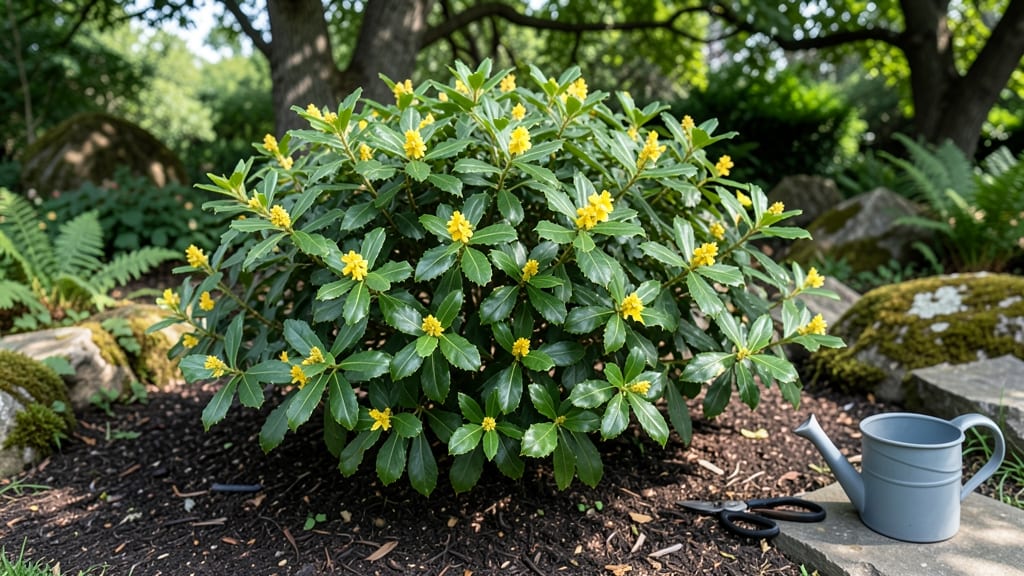
Your Zone 9 shade garden doesn’t need to be a dark corner—it can be a lush, thriving retreat. 🌿 I’ve spent years testing full shade shrubs in the deep shadows of my backyard, and these plants prove that even the darkest spots can burst with life and color.
The key lies in matching the right shrubs to Zone 9’s warm, humid climate—think native favorites like inkberry holly or coffeeberry, plus tough non-natives like Japanese pieris or dwarf gardenia.
These thrive with less than 3 hours of sunlight and still deliver year-round interest, from glossy foliage to delicate blooms. You’ll end up with a garden that stays vibrant even when others wilt. The secret? Moist, well-draining soil and occasional watering to keep roots happy without drowning them.
Pruning is minimal—just a light trim to shape and encourage new growth. Perfect for under trees, along north-facing walls, or anywhere sunlight struggles to reach. Here’s how to pick, plant, and keep them flourishing for years.
📚 In This Guide
- What you need
- Instructions
- Tips and common mistakes
- Wrapping up and next steps
What you need
- ● Full shade-tolerant shrubs (Zone 9-hardy): 3–5 Oakleaf Hydrangea (Hydrangea quercifolia) – 1-gallon containers
- ● 2–3 Japanese Holly (Ilex crenata) – 3-gallon pots
- ● 1–2 Dwarf Fothergilla (Fothergilla gardenii) – 1-gallon containers
- ● 1 Aluminum Plant (Pityrogramma calomelanos) – 1-gallon pot (for texture)
- ● Soil amendments: 5 lbs compost (per shrub)
- ● 2 lbs peat moss or coconut coir (for moisture retention)
- ● 1 lb slow-release organic fertilizer (10-10-10 or similar)
- ● Planting tools: 1 garden trowel (for small shrubs)
- ● 1 shovel (for larger shrubs or amending soil)
- ● 1 pruning shears (sterilized)
- ● 1 garden hose or watering can (with a fine rose attachment)
- ● Mulch: 2–3 inches organic mulch (pine straw, shredded bark, or wood chips)
- ● Soil test kit – To check pH and nutrient levels (aim for 5.5–6.5 for hydrangeas, 5.0–6.0 for hollies).
- ● Slow-release fertilizer spikes – For added nutrients without overfeeding.
- ● Plant supports or stakes – If shrubs like Oakleaf Hydrangea need temporary support.
- ● Drip irrigation system – For consistent moisture in deep shade.
- ● Garden gloves – To protect your hands while handling soil and plants.
Step-by-step guide to selecting and planting full shade shrubs in Zone 9
Here’s how to transform your darkest corners into lush, low-maintenance gardens with the right shrubs.
🌿 Step 1: Choose Shrubs That Thrive in Full Shade
Zone 9’s full shade areas need shrubs that tolerate less than 3 hours of direct sunlight daily while still delivering year-round interest. Start with evergreen options like Japanese holly (Ilex crenata), which maintains glossy leaves and red berries, or dwarf inkberry (Ilex glabra), perfect for hedges with its dark foliage and tolerance for wet soil. For deciduous variety, Oakleaf hydrangea (Hydrangea quercifolia) offers stunning fall color and large leaves that cast dappled shade.
Check each plant’s mature height and spread—3-6 feet tall is ideal for most shade gardens. For example, dwarf fountain grass (Pennisetum alopecuroides ‘Hameln’) adds texture without overpowering, while heuchera (Coral Bells) delivers vibrant foliage in shades from deep purple to lime green. I always cross-reference with the USDA Plant Hardiness Zone Map to confirm suitability.
🪴 Step 2: Prepare the Planting Site for Optimal Drainage
Full shade shrubs often struggle with compacted, waterlogged soil, so amend the area with 3-4 inches of organic matter like compost or well-rotted leaf mold. Dig a hole twice as wide as the root ball but only as deep—planting too deep suffocates roots. If your soil is heavy clay, mix in sand or perlite to improve aeration, but avoid amending with pure sand, which can create pockets where roots won’t grow.
Test moisture levels before planting: Press your finger 2 inches into the soil—if it feels soggy, raise the planting bed slightly or install a French drain if water pools. Zone 9’s humidity means fungal diseases like root rot are a constant threat, so prioritize well-draining soil over fertility. A mulch layer of 2-3 inches (wood chips or shredded bark) helps retain moisture while keeping roots cool.
☀️ Step 3: Plant and Stake for Stability
Remove the shrub from its container and loosen roots if they’re circling—this encourages outward growth. Place the plant in the hole so the top of the root ball sits level with the surrounding soil (never buried). Backfill with native soil mixed with a handful of slow-release fertilizer, tamping gently to eliminate air pockets. For larger shrubs like Oakleaf hydrangea, insert 2-3 stakes around the perimeter and secure with soft ties to prevent wind rock.
Water deeply immediately after planting—1-2 gallons per shrub—to settle the soil and eliminate air gaps. Avoid overwatering, which can drown roots; instead, aim for 1 inch of water per week, either from rainfall or irrigation. I like to water at the base rather than overhead to reduce fungal spores in the air. After planting, apply a 2-inch layer of mulch, keeping it 6 inches away from the stem to prevent rot.
✂️ Step 4: Maintain Through Seasonal Checkpoints
Prune Oakleaf hydrangeas in late winter or early spring to shape the plant and encourage new growth, while Japanese holly benefits from light pruning after flowering to maintain density. For heuchera, remove any dead or yellowed leaves in early spring—this keeps the plant looking tidy and prevents disease. Fertilize lightly in spring with a balanced 10-10-10 formula, but skip heavy feeding, as shade-loving shrubs prefer nutrient-poor but well-draining soil.
Watch for yellowing leaves, a sign of overwatering or nutrient deficiency. If you notice powdery mildew (white, dusty spots on foliage), improve airflow by thinning crowded branches and apply neem oil as a preventative spray. In Zone 9’s heat, morning sun can scorch new growth, so monitor young plants and provide afternoon shade with a lightweight shade cloth if needed.
Tips & tricks for thriving full shade shrubs in Zone 9
Transforming dark corners into vibrant landscapes starts with understanding these key strategies for full shade success.
Selection Strategy: When choosing shrubs like Japanese holly or Oakleaf hydrangea, prioritize plants with glossy foliage—this indicates natural moisture retention, crucial for Zone 9's humidity. Evergreens like dwarf inkberry are particularly resilient because their dense growth habit naturally repels fungal spores that thrive in damp conditions. For deciduous options, focus on varieties with large leaves that create their own microclimate, like the Oakleaf hydrangea's broad foliage which helps regulate temperature around roots.
Soil Science: The 3-4 inches of organic matter recommendation isn't just about drainage—it's about creating a spongy soil structure that holds moisture without suffocating roots. I've seen many gardeners make the mistake of adding too much sand, which creates air pockets that roots can't penetrate. Instead, blend compost with perlite in a 3:1 ratio for the perfect balance. Test your soil's moisture by pressing your finger 2 inches deep—if it feels like a damp sponge rather than mud, you've achieved ideal conditions for full shade plants.
Planting Precision: The 2-3 stakes recommendation for larger shrubs might seem excessive, but I've learned this the hard way after watching Oakleaf hydrangeas topple in Zone 9's summer storms. Use flexible bamboo stakes instead of rigid metal—they provide support without piercing roots as the plant grows. Position stakes at a 45-degree angle and secure with soft fabric ties that won't cut into stems. This creates a natural windbreak pattern that stabilizes plants without restricting growth.
Maintenance Insight: That 1 inch of water per week guideline is a baseline, but Zone 9's heat demands adjustments. Water in the early morning to allow foliage to dry before afternoon humidity peaks—this dramatically reduces powdery mildew risk. For newly planted shrubs, I've found that watering every other day for two weeks establishes stronger root systems before transitioning to the weekly schedule. The 2-inch mulch layer should be wood chips rather than bark—chips break down more slowly, maintaining moisture without creating acidic conditions that some shrubs dislike.
Pro Tips for Full Shade Shrubs Zone 9
- Transforming dark corners into vibrant landscapes starts with understanding these key strategies for full shade success.
- Selection Strategy: When choosing shrubs like Japanese holly or Oakleaf hydrangea, prioritize plants with glossy foliage—this indicates natural moisture retention, crucial for Zone 9's humidity.
- Soil Science: The 3-4 inches of organic matter recommendation isn't just about drainage—it's about creating a spongy soil structure that holds moisture without suffocating roots.
Frequently asked questions
Got questions about full shade shrubs in Zone 9?
You’re not alone! Here are some of the most common concerns—and their answers—to help you grow with confidence.
What are the best full shade shrubs for Zone 9 that thrive without direct sunlight?
Top picks include Oakleaf Hydrangea, Japanese Holly, Dwarf Fothergilla, and Inkberry Holly. These varieties handle deep shade (less than 3 hours of sunlight) while adding texture, color, and year-round interest. For bold foliage, try Heuchera or Coral Bells—both flourish in low light.
When is the best time to plant full shade shrubs in Zone 9?
Plant in early spring (March–April) or fall (September–October) for ideal results. Avoid summer heat, which stresses roots, and winter’s chill, which can delay establishment. Amend soil with compost before planting to give new shrubs a nutrient boost.
How do I keep full shade shrubs healthy if they look leggy or sparse?
Leggy growth often means they’re stretching for light. Prune in late winter to shape and encourage bushier growth. Add a 2–3 inch layer of mulch to retain moisture and improve soil health. If soil is compacted, aerate gently or mix in organic matter to help roots breathe.
Do full shade shrubs in Zone 9 need extra watering?
Yes! While they tolerate shade, their roots stay cooler and drier. Water deeply 1–2 times per week during dry spells (check soil moisture 2 inches down). Drip irrigation or soaker hoses work best to avoid wetting foliage, which can invite fungal issues.
Can I replace a struggling full shade shrub with something else?
If a shrub fails despite care, swap it for a low-maintenance alternative like Dwarf Mondo Grass (for ground cover), Boxwood (evergreen structure), or Variegated Sweet Flag (tough and ornamental). Always check the new plant’s light and soil needs first!
Wrapping up and next steps
Transforming your Zone 9 garden into a lush, full-shade sanctuary is easier—and more rewarding—than you think! With the right full shade shrubs, you can create a vibrant, low-maintenance oasis that thrives even in the deepest shadows.
Whether you're a seasoned gardener or just starting out, these plants offer beauty, resilience, and year-round interest.
Now that you’re armed with the best options and care tips, take the next step: sketch a simple layout for your shade garden, then pick 2-3 shrubs to start. Watch your space bloom with confidence—your future shade retreat is waiting! 🌿✨