
Flowers
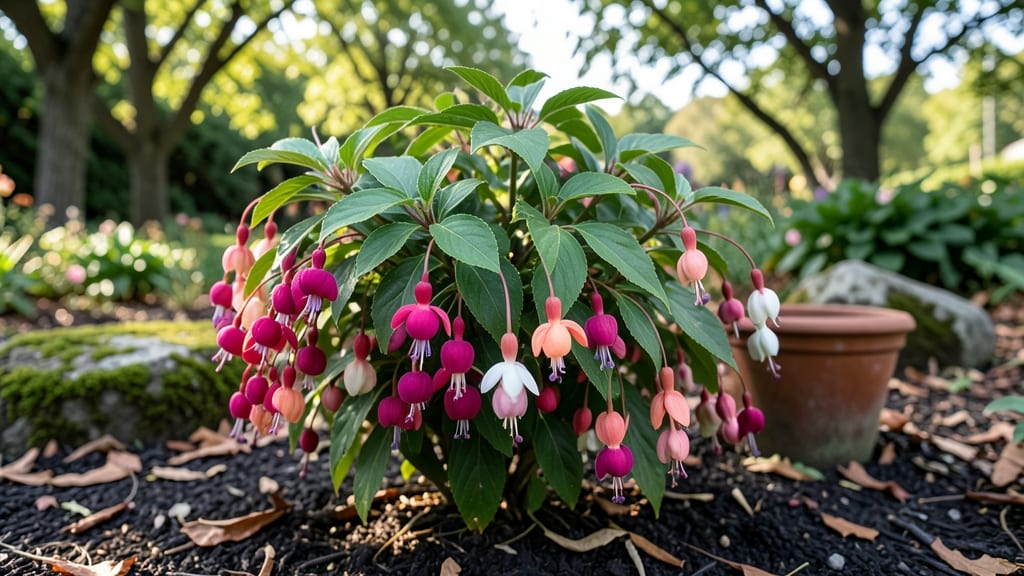
The shades of fuchsia in my gardens don’t just bloom—they command the space, turning even the darkest nooks into a dazzling theater of jewel-toned drama where others fade. ✨ I’ve crafted pairings that make them pop, layering textures and tones to highlight their bold brilliance in shady corners. most flowers struggle.
Think cottagecore charm with fuchsia clematis twining through white picket fences, or modern minimalism with deep purple fuchsia petunias in sleek containers. The key is contrast: pair fuchsia with silvery foliage, crisp white blooms, or warm terracotta pots to make them sing.
Spring bulbs like fuchsia alliums set the stage, while summer annuals keep the magic going until frost.
📚 In This Guide
- What you need
- Instructions
- Tips and common mistakes
- Wrapping up and next steps
What you need
- ● Fuchsia plants: Choose between Fuchsia magellanica (hardy, great for borders) or Fuchsia hybrida (showy, perfect for containers). Quantity: 3–5 plants for a bold impact.
- ● High-quality potting soil: A well-draining mix (e.g., 60% peat/coir + 40% perlite or sand). Quantity: 1–2 bags (5–10 quarts each).
- ● Containers or garden beds: Containers: Terracotta pots (12–16 inches wide) or hanging baskets (10–12 inches deep). Quantity: 1–3 per plant.
- ● Garden beds: Full sun to partial shade (6+ hours of dappled light).
- ● Fertilizer: Balanced liquid fertilizer (10-10-10 NPK) or organic options like fish emulsion. Quantity: 1 bottle (16 oz).
- ● Mulch: Organic mulch (e.g., shredded bark) to retain moisture. Quantity: 1–2 bags (2–3 cubic feet).
- ● Decorative accents: Painted stones, mosaic tiles, or copper planters to complement fuchsia’s vibrancy.
- ● Companion plants: Pair with heuchera (purple leaves) or caladiums (white/pink foliage) for contrast.
- ○ Pruning shears: Sharp, bypass-pruners for shaping plants (optional but helpful!).
- ● Dried fuchsia flowers: Preserve blooms in silica gel for DIY arrangements or crafts.
- ● A space with partial shade (morning sun + afternoon shade) or a spot with dappled light.
- ● Access to water (fuchsias need consistent moisture but hate soggy roots).
- ● Patience! Fuchsias thrive in USDA Zones 9–11; colder climates may need winter care (e.g., indoor pots).
How to select and style fuchsia flowers for maximum impact in shady spots
Fuchsias thrive where others falter—here's how to showcase their boldest colors in deep shade.
🌿 Step 1: Choose the Right Fuchsia Varieties for Low Light
Not all fuchsias perform equally in shade. For deep shadows, select varieties bred for lower light conditions like 'Giant Marble' or 'Lady Boothby'—both feature dark foliage that contrasts beautifully with their deep pink, purple, or magenta blooms. These cultivars develop thicker stems and larger flowers when grown in 4-6 hours of dappled sunlight rather than harsh midday sun.
I avoid trailing varieties like 'Limelight' in heavy shade—they grow leggy and sparse. Instead, opt for upright or bushy types that hold their shape better. Check the leaf color too: dark green or burgundy leaves signal a plant adapted to shade, while bright green leaves often mean the plant is struggling for light.
☀️ Step 2: Position for Maximum Color Contrast
Fuchsias need bright, indirect light to maintain their vibrant hues. Place them 3-5 feet from north-facing windows or under deciduous trees where they receive morning sun and afternoon shade. In deep evergreen shade, supplement with a grow light for 12-14 hours daily—just keep it 18-24 inches away to avoid leaf scorch.
Watch for color fading—if blooms turn dull or greenish, the plant needs more light. A south-facing window with sheer curtains works better than a dark corner. I group fuchsias with silver or variegated foliage plants (like 'Silver Queen' dusty miller) to amplify their color through contrast.
💧 Step 3: Water and Feed for Deep-Shade Brilliance
Shade-loving fuchsias dry out slower than sun-exposed plants, but overwatering causes root rot and dropped buds. Water when the top 1-2 inches of soil feel dry—stick your finger in to check. In containers, this happens every 5-7 days; in ground beds, every 7-10 days. Always water at the base, not overhead, to prevent fungal issues that dull foliage and blooms.
Feed with a balanced liquid fertilizer (10-10-10) every 2-3 weeks during bloom season. Fuchsias in shade respond poorly to high-nitrogen feeds—that leads to leafy growth but few flowers. Instead, I switch to a phosphorus-heavy formula (5-10-5) when buds form to encourage vibrant blooms. A slow-release pellet in spring also helps maintain color without burning leaves.
✂️ Step 4: Prune to Encourage Dense, Colorful Growth
Pruning twice a year keeps fuchsias compact and floriferous in shade. In early spring, cut back one-third of the oldest stems to stimulate new growth. In late summer, after the first flush of blooms, pinch back tips to encourage bushier growth—this prevents leggy, sparse habits that shade often causes.
Remove spent blooms daily (or every other day) to prevent seed formation, which drains energy from new flowers. I also thin crowded stems to 3-4 inches apart—this improves air circulation and reduces powdery mildew, a common issue in shady, humid conditions. Use sterilized pruners and dip cuts in cinnamon to prevent bacterial infections.
🪴 Step 5: Container Styling for Maximum Visual Impact
For container gardens, use glazed ceramic or fiberglass pots—they retain moisture better than terra cotta in shade. Fill with a well-draining mix (equal parts peat moss, perlite, and compost) to prevent soggy roots. Place one fuchsia per 12-inch pot or two in a 16-inch container—crowding leads to smaller, less vibrant blooms.
Style with textural contrasts: pair fuchsias with spiky euphorbias or soft hellebores to highlight their bold colors. Add moss or ivy as a ground cover to soften the pot’s edges and tie the shade theme together. Elevate containers on café tables or pedestals to draw the eye upward—fuchsias look best when viewed from multiple angles, not just head-on.
Tips & tricks for showcasing fuchsia flowers in shady spots
Here's what I've learned after years of growing these stunning plants in less-than-sunny conditions.
Lighting Strategy: The 4-6 hours of dappled sunlight mentioned in Step 1 is your sweet spot—think of it as morning sunlight filtered through sheer curtains. If you're working with deep evergreen shade, consider using a LED grow light on a timer for those critical 12-14 hours daily. Position it 18-24 inches away to prevent leaf burn, and angle it to mimic natural light patterns. I've found that full-spectrum LEDs with a slight blue tint help maintain those vibrant magenta hues.
Color Preservation: Fuchsias in shade often lose their punch if not cared for properly. To maintain that bold color, I add a drop of liquid seaweed fertilizer to my watering routine every other week—it boosts chlorophyll production naturally. Also, avoid placing them near vaporizers or humidifiers; the extra moisture can cause blooms to fade more quickly. If you notice color fading, it's often a sign the plant needs slightly more light exposure during its peak growing hours.
Pruning Precision: When you're doing that early spring pruning (cutting back one-third of oldest stems), I recommend making cuts just above a leaf node where new growth will emerge. For the late summer pinch-backs, focus on the outermost sets of leaves—this encourages bushier growth from the center. And here's a pro move: after pruning, place your cuttings in water with a rooting hormone tablet—you'll have ready-to-plant propagations in about 3 weeks!
Container Hack: For maximum impact in containers, I use glazed ceramic pots with a slight lip—they help prevent water from spilling over and staining surfaces. When styling, place your fuchsias slightly off-center in the container. This creates visual interest and makes the plant look more natural. For extra drama, add a small mirror or reflective surface behind the pot to amplify those bold colors by reflecting light back onto the blooms.
Pro Tips for Shades Of Fuchsia
- Here's what I've learned after years of growing these stunning plants in less-than-sunny conditions.
- Lighting Strategy: The 4-6 hours of dappled sunlight mentioned in Step 1 is your sweet spot—think of it as morning sunlight filtered through sheer curtains.
- Color Preservation: Fuchsias in shade often lose their punch if not cared for properly.
Frequently asked questions
What’s the difference between true fuchsia and fuchsia-colored flowers?
True fuchsia (genus Fuchsia) refers to the plant itself, known for its tubular, dangling flowers in shades of pink, purple, and magenta. Fuchsia-colored flowers (like shades of fuchsia) describe any bloom with that signature bold pink-purple hue—think petunias, geraniums, or even roses. The color is the star, not the species!
How do I keep fuchsia flowers looking vibrant for longer?
To preserve that stunning fuchsia pop, trim spent blooms daily (they’re heavy drinkers!) and deadhead regularly. Place cut flowers in cool water with a splash of sugar (1 tsp per cup) to slow wilting. Avoid direct sun—these beauties love morning light and afternoon shade. For potted fuchsias, fertilize lightly every 2 weeks during blooming season.
Can I mix fuchsia flowers with other colors? What works best?
Absolutely! Fuchsia is a powerhouse for contrast—pair it with:
- White or cream: Classic, elegant (think weddings or minimalist bouquets).
- Lime green or yellow: Bold and unexpected (perfect for modern arrangements).
- Deep burgundy or black: Moody and dramatic (ideal for moody autumn vibes).
- Silver or metallic foliage: Adds a futuristic glow.
Are fuchsia flowers frost-sensitive? How do I protect them?
Yes! Most fuchsias (especially tropical varieties) hate cold—they’ll wilt below 30°F (-1°C). For potted plants, move them indoors or wrap pots in bubble wrap and mulch outdoor beds with straw. If frost hits, trim back damaged stems in spring—they’ll bounce back! Hardy fuchsias (like Fuchsia magellanica) tolerate 10°F (-12°C) but still need protection.
How can I dry fuchsia flowers to preserve their color?
Drying fuchsias is tricky—they often fade to brown—but hanging upside-down in a dark, dry place (like a closet) for 2–3 weeks works best. For vibrant dried blooms, try:
Warning: Avoid heat—it’ll bleach those gorgeous hues!
Wrapping up and next steps
From vibrant fuchsia blooms to their striking cultural symbolism, these flowers are a true showstopper in any garden or arrangement. Their bold hues don’t just brighten spaces—they bring life, passion, and a touch of whimsy to your surroundings.
Whether you’re a seasoned gardener or a curious beginner, embracing shades of fuchsia is an easy way to make a statement.
Ready to dive in? Start small—add a single fuchsia plant to your patio or mix their petals into a handmade bouquet. For deeper inspiration, explore local nurseries or seed catalogs to find the perfect variety for your climate. The world of fuchsia awaits—go make it pop! 🌸✨