
Shrubs
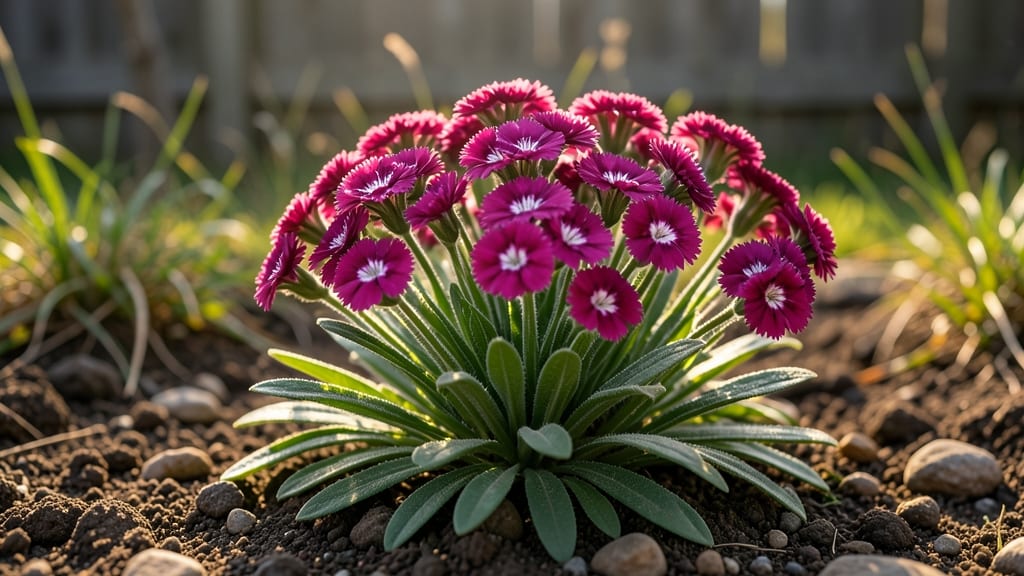
Sweet William thrives in sun or shade 🌸, but choosing the right variety and light conditions is the key to nonstop blooms all season.
Picture this: you’ve planted your Sweet Williams, but by summer, the blooms are sparse or the stems stretch like overgrown noodles. That’s a classic sign of light mismatch—and it’s easier to fix than you think.
Some varieties crave full sun, while others thrive in partial shade, and knowing which is which means you’ll get the vibrant, long-lasting flowers this plant is famous for.
Below, I’ll break down the best sun-loving and shade-tolerant types, plus how to adjust care for peak performance no matter where you garden.
 Best Window Placement
Best Sweet William varieties for full sun exposure
If you’re dreaming of a vibrant, sun-drenched garden packed with fragrant Sweet Williams, you’ve come to the right place. These sun-loving varieties thrive under 6+ hours of direct sunlight, delivering bold blooms from early summer through fall.
The key? Choosing heat-tolerant cultivars that won’t wilt in hot afternoons or struggle with drought conditions. Let’s dive into the top performers for full-sun gardens.
Sweet Williams in full sun reward you with longer bloom times and richer colors, but not all varieties handle the heat equally. Some drought-resistant types stand out for their thick foliage and compact growth habits, while others prioritize fragrance or unique flower shapes.
Whether you’re planting in USDA Zones 6-9, these sun-seeking cultivars will keep your garden bursting with color all season.
| Variety | Color Spectrum | Bloom Time | Height | Heat Tolerance |
|---|---|---|---|---|
| 'Fireworks' | Pink, red, white | June–August | 18–24" | Excellent |
| 'Blackout' | Deep purple-black | June–September | 12–18" | Very High |
| 'Matador' | Red, magenta | June–August | 15–20" | High |
| 'Crimson Velvet' | Deep crimson | June–September | 12–16" | Very High |
| 'Picotee' | White with pink edges | June–August | 15–20" | Moderate |
Let’s start with 'Fireworks', a sun-loving powerhouse that thrives in full sun gardens. This variety boasts multi-colored blooms in shades of pink, red, and white, making it a showstopper for cut flower arrangements or border plantings.
Its compact size (18–24") makes it ideal for small spaces or container gardens, while its heat tolerance ensures it won’t skimp on blooms during summer heatwaves.
For gardeners craving dramatic contrast, 'Blackout' delivers with its deep purple-black flowers that absorb sunlight like a magnet. This variety is drought-resistant and heat-loving, perfect for xeric landscapes or low-maintenance gardens.
Its shorter stature (12–18") also makes it a great edging plant or rock garden choice. Just be prepared for its intense fragrance, which some find overpowering in small spaces.
If you’re after bold, fiery hues, 'Matador' is a must-have. This heat-tolerant cultivar produces vibrant red and magenta blooms that pop against green foliage. It’s also long-blooming, from June through August, and self-cleaning, meaning spent blooms drop naturally, reducing deadheading chores.
Pair it with silver foliage plants like lamb’s ear for a striking contrast
Top shade-tolerant Sweet William varieties for low-light gardens
If your garden receives only 3–6 hours of sunlight daily, don’t despair—there are shade-tolerant Sweet William varieties that thrive in partial shade or dappled light. These cultivars deliver vibrant blooms and fragrant foliage without demanding full sun.
The key is selecting varieties bred for lower light conditions, like 'Blackout' or 'Puritan', which adapt beautifully to less intense sunlight.
Shade-loving Sweet Williams often feature darker foliage and compact growth habits, making them perfect for woodland gardens, under trees, or north-facing beds. Their clusters of tiny flowers create a lush, cottage-garden feel while requiring minimal maintenance.
To maximize blooms, I recommend amending soil with compost and watering consistently—shade varieties are more sensitive to drought stress than their sun-loving cousins.
Sweet William in Shade vs. Sun
✅ Shade-Tolerant Varieties
- 'Blackout' – Deep purple blooms, thrives in 3–4 hours of light
- 'Puritan' – Compact, fragrant, drought-tolerant in shade
- 'Fireworks' – Mixed colors, longer bloom season in partial shade
⚠️ Potential Challenges
- Leggy stems if light is too low
- Fewer blooms without proper soil nutrients
- Pests (e.g., aphids) thrive in dense shade
💡 Pro Tips for Shade
- Use reflective mulch (white gravel) to boost light
- Deadhead weekly to encourage reblooming
- Plant near sun-loving perennials for contrast
For best results in shade, prioritize 'Blackout'—its velvety dark blooms contrast stunningly against lighter foliage. This variety handles 3–4 hours of sunlight with ease, making it ideal for north-facing beds or understory plantings.
Pair it with 'Puritan', a fragrant option that releases a sweet, clove-like scent when brushed against, perfect for sensory gardens.
To maximize blooms in low-light conditions, I swear by monthly applications of balanced fertilizer (5-10-10) during spring and early summer. Shade varieties benefit from extra phosphorus to support flower production.
Additionally, prune back leggy stems in early spring to encourage bushier growth—this trick works wonders for 'Fireworks', which bursts with multi-colored blooms even in partial shade.
If your garden has dappled sunlight (e.g., under deciduous trees), 'Puritan' is my top pick—its compact habit (12–18 inches tall) fits neatly into woodland gardens or container plantings. For containers, choose 'Blackout' in black pots to intensify its deep purple hues and create a dramatic focal point.
Just ensure pots have drainage holes to prevent root rot in shade.
Remember, shade-tolerant Sweet Williams may bloom later in the season than sun varieties, but their longer vase life and fragrant foliage make them worth the wait. With the right variety and a little extra care, your low-light garden can still be a bloom-filled paradise—no full sun required! 🌿