
Light Requirements
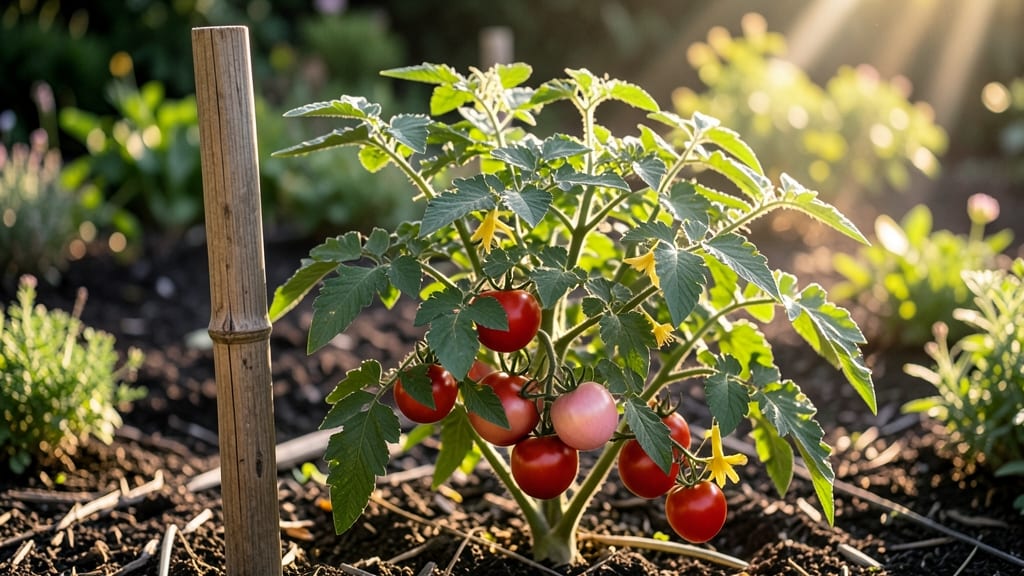
Tomatoes thrive in full sun but can handle partial shade — the key is understanding how much light your plants truly need to produce flavorful fruit.
Picture this: you’ve spent weeks nurturing your 🍅 seedlings, only to watch them struggle under the midday heat or fail to set fruit in a shady spot. The right balance of sun and shade isn’t just about survival—it’s about maximizing yield and taste.
Too little light, and you’ll end up with leggy plants and bitter tomatoes. Too much, and you risk sunburn or stressed vines.
Most tomato varieties demand at least 6 to 8 hours of direct sunlight daily, but some adaptable types can tolerate 4 to 6 hours in partial shade. The trick lies in knowing your garden’s microclimate, adjusting for heatwaves, and choosing the right varieties for your light conditions.
Below, I’ll break down the science behind sunlight needs, how to spot light-related stress, and practical tips to give your tomatoes the perfect glow—whether you’re growing in containers, raised beds, or open ground.
Ready to unlock the secrets to juicy, abundant tomatoes? Let’s dive into how to give your plants the light they crave without overdoing it.

How much sun do tomatoes really need for optimal growth and fruit production?
Tomatoes are sun-hungry plants, and their fruit production depends heavily on adequate light exposure. While most varieties thrive in full sun, the exact requirements vary based on your climate and tomato type.
Understanding these needs helps you maximize yields and flavor. Let’s break down the science behind sunlight for tomatoes and how to adapt for different growing conditions.
The minimum sunlight requirement for tomatoes is 6-8 hours of direct sun daily, but 8+ hours yields the best results for flavor and fruit set. This means positioning your plants where they receive sunlight from early morning until mid-afternoon.
Morning sun helps dry dew quickly, reducing fungal diseases, while afternoon light boosts photosynthesis for energy-rich fruits.
Here’s how different tomato varieties adapt to light conditions, including their tolerance for shade or heat stress:
| Variety | Sunlight Needs | Heat Tolerance | Shade Adaptation | Best For |
|---|---|---|---|---|
| Cherry Tomatoes (e.g., 'Sweet 100') | 6-8 hours | Moderate | Poor (needs full sun) | Containers, trellises |
| Beefsteak (e.g., 'Brandywine') | 8+ hours | Low | None | Cool climates, staking |
| Roma (e.g., 'Plum Perfect') | 7-8 hours | Moderate | Partial shade OK | Sauces, canning |
| Heat-Tolerant (e.g., 'Solar Fire') | 6-10 hours | High | Good in partial shade | Hot climates |
| Shade-Tolerant (e.g., 'Stupice') | 4-6 hours | Low | Excellent | Partial shade gardens |
For standard tomato varieties, 6-8 hours of sunlight is the sweet spot, but heat-tolerant types like 'Solar Fire' can handle up to 10 hours in hot climates. These varieties thrive in intense afternoon sun without wilting, making them ideal for southern gardens.
However, excessive heat (above 90°F) can still reduce fruit set, so afternoon shade cloth may help during peak summer.
If you’re growing tomatoes in partial shade, opt for shade-tolerant varieties like 'Stupice' or 'Mountain Merit,' which produce fruit with 4-6 hours of light. These types prioritize fruit development over leaf growth, ensuring smaller but consistent yields.
However, expect reduced flavor and size compared to sun-loving varieties, as photosynthesis slows in low light.
Watch for signs of insufficient light, such as yellowing leaves (chlorosis), stunted growth, or fewer flowers. Tomatoes in shade also produce smaller, pale fruits with less sugar. To compensate, use reflective mulch or mirrors to bounce extra light onto plants, especially in north-facing gardens or urban containers.
In high-heat zones, tomatoes need morning sun and afternoon shade to prevent sunscald or blossom drop. Use 30-50% shade cloth during the hottest hours (12 PM–4 PM) to protect plants while still allowing photosynthesis.
This balance is critical for fruit set and quality, as extreme heat stresses plants and halts pollination.
For container-grown tomatoes, place pots in the sunniest spot available, even if it’s only 5-6 hours. Rotate containers weekly to ensure even light exposure, and choose heat-resistant varieties like 'Heatmaster' or 'Sun Gold' for better adaptation.
Containers dry out faster, so consistent watering is just as critical as sunlight
Shade strategies for tomatoes: when and how to protect plants from too much sun
Even though tomatoes thrive in full sun, extreme heat or partial-shade conditions can stress plants and reduce yields. If your garden gets intense afternoon sun or you're in a high-heat climate, strategic shade solutions can protect your plants while maintaining productivity.
The key is balancing light exposure to prevent sunburn or heat stress without sacrificing fruit development.
For example, I’ve seen cherry tomatoes in my backyard wilt under 100°F+ temperatures unless I provide afternoon shade. Similarly, heirloom varieties like 'Brandywine' benefit from partial shade in hot climates. Let’s explore practical ways to shield your tomatoes without sacrificing their sun-loving nature.
Shade Solutions for Tomatoes: Pros & Cons
Shade Cloth (30-50%)
- Pros: Adjustable shade, reduces heat stress
- Cons: Can limit airflow, requires setup
Drip Irrigation
- Pros: Cools leaves, prevents wilting
- Cons: Needs consistent water supply
Companion Planting
- Pros: Natural shade from taller plants
- Cons: May compete for nutrients
Pruning for Airflow
- Pros: Reduces heat buildup in canopy
- Cons: May limit fruit production if overdone
One of the simplest ways to protect tomatoes is using shade cloth. A 30-50% shade cloth filters harsh sunlight while allowing enough light for photosynthesis. I’ve had great success with knitted shade fabric in my container gardens—it’s lightweight and easy to remove when temperatures drop.
Just ensure the cloth doesn’t touch the leaves to avoid moisture buildup and fungal risks.
For a more natural approach, try companion planting. Tall plants like corn or sunflowers can provide afternoon shade, while basil or marigolds improve airflow around tomato plants.
I’ve noticed my indeterminate tomatoes produce larger fruit when paired with bush beans, which act as living shade screens during peak heat.
If your tomatoes are already struggling, pruning can help. Remove lower leaves to improve airflow and reduce heat stress on the plant’s core. I prune my cherry tomato plants weekly during heatwaves, focusing on yellowing or wilted leaves. This also makes it easier to spot pests or diseases early.
Finally, never underestimate the power of drip irrigation. A slow, steady stream of water cools the plant and keeps soil moisture consistent. I set my system to run for 10-15 minutes every morning during heatwaves, which has dramatically reduced blossom end rot and leaf scorch in my garden.
With these strategies, you can protect your tomatoes from too much sun while keeping them productive—even in the hottest climates. Experiment to find what works best for your garden setup! 🌿☀️