
Light Requirements
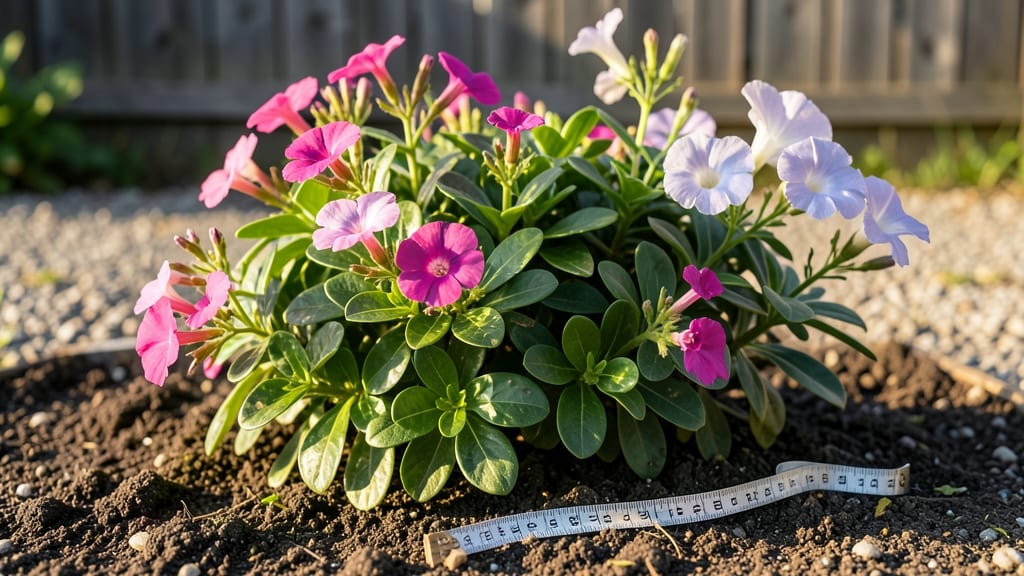
Deciding whether vinca thrives in full sun or shade is the key to unlocking its stunning 🌸 blooms year-round.
Struggling to keep your vinca blooming vibrantly? The secret lies in understanding its light needs—whether basking in full sun or thriving in shade, vinca adapts beautifully when you get the conditions right.
Too much direct sun can scorch delicate leaves, while too little light dulls those signature flowers. But here’s the good news: vinca is one of the most flexible perennials for light conditions, making it perfect for almost any garden spot.
In this guide, I’ll break down the ideal light balance for your vinca, share the best varieties for sun vs. shade, and give you pro tips to transition plants safely—so you can enjoy vibrant color no matter where you plant it.

How vinca performs in full sun vs. shade: growth and color impact
Vinca, also known as periwinkle, is one of those versatile ground covers that thrives in almost any garden setting. But here's the catch: its growth habits and flowering intensity shift dramatically depending on whether it's basking in full sun or nestled in shade.
Understanding these differences will help you coax the most vibrant blooms and lush foliage from your plants.
In full sun, vinca plants grow more compact and bushy, producing an abundance of bright, cheerful flowers. However, in partial or deep shade, they stretch taller with fewer blooms but develop a richer, deeper leaf color.
The key is matching your vinca variety to its ideal light conditions for the best results.
When vinca receives full sun exposure, its photosynthetic activity ramps up, leading to faster growth and more energy for blooming. This is why varieties like Vinca 'Illumination' shine in sunny spots, producing bright pink, purple, and white flowers that last all season.
However, too much direct sun can stress some varieties, causing leaf scorch or dull flowers.
In partial shade, vinca plants grow more slowly but develop a denser root system, making them more resilient to drought conditions. The trade-off is fewer blooms, but the foliage becomes richer and more vibrant.
This is ideal for woodland gardens or areas under deciduous trees where morning sun gives way to afternoon shade.
Deep shade is where vinca can become leggy and sparse, with pale, sparse blooms. While it won’t die, its ornamental value drops significantly. If you’re growing vinca in a shady corner, opt for varieties like Vinca 'Alba', which tolerates lower light better than others.
Supplement with artificial grow lights if needed to boost flowering.
One pro tip for maximizing vinca’s potential is to rotate its position every few years. If planted in full sun for years, moving it to partial shade can revitalize its growth and encourage more compact, bushy habits.
Conversely, vinca that’s been in shade too long may benefit from gradual sun exposure to prevent sunburn.
Soil moisture also plays a role in how vinca responds to light. In full sun, vinca needs well-draining soil to prevent root rot, while in shade, it can tolerate moister conditions.
Always ensure your vinca has adequate drainage, regardless of light exposure, to keep it healthy and thriving.
For the best results, observe your vinca’s growth patterns and flowering habits throughout the season. Adjust its light exposure gradually if you notice leggy growth or fewer blooms. With the right balance, your vinca will reward you with year-round color and low-maintenance beauty.
🌸
Best vinca varieties for sun vs. shade gardens: a gardener’s guide
Vinca plants are incredibly versatile, but not all varieties thrive equally in full sun or deep shade. The key to vibrant blooms and lush foliage lies in matching the right vinca cultivar to your garden’s light conditions.
Whether you’re working with Vinca minor in a woodland garden or Vinca major in a sunny border, selecting the right type makes all the difference. Let’s explore the best options for each light scenario and how to care for them.
For full sun gardens, look for vinca varieties with heat-tolerant foliage and bright, long-lasting blooms. These types handle intense light without scorching, making them perfect for southern exposures or dry, sunny slopes.
In contrast, shade-tolerant vinca varieties excel in woodland gardens or north-facing beds, where they produce richer foliage and prolonged flowering in lower light. The wrong variety in the wrong spot can lead to leaf burn, stunted growth, or fewer flowers.
| Variety | Light Needs | Care Tips | Best For |
|---|---|---|---|
| Vinca major 'Illumination' | Full sun to partial shade | Water deeply weekly; prune after blooming | Sunny borders, containers |
| Vinca minor 'Argentea Variegata' | Partial to deep shade | Keep soil moist but well-drained; mulch annually | Woodland gardens, under trees |
| Vinca 'Lavender Mist' | Partial shade to full sun | Fertilize spring and summer; deadhead regularly | Mixed borders, slopes |
| Vinca 'Alba' | Partial shade | Avoid waterlogging; prune lightly in spring | Shady perennials, foundation plantings |
| Vinca 'Gravetye' | Full sun | Drought-tolerant; minimal pruning needed | Dry gardens, rockeries |
If you’re planting vinca in full sun, prioritize varieties like Vinca major 'Illumination' or Vinca 'Gravetye'. These types handle intense afternoon sun with ease, producing bold, vibrant blooms that last from spring through fall.
For partial shade, Vinca 'Lavender Mist' and Vinca 'Alba' are excellent choices—they deliver lush foliage and prolonged flowering without the risk of leaf scorch. In deep shade, Vinca minor 'Argentea Variegata' shines, offering striking variegated leaves and delicate white flowers.
For all vinca varieties, well-draining soil is non-negotiable. Amend heavy clay with compost or sand to prevent root rot, especially in shaded areas where water pools. In full sun, mulch with gravel or coarse bark to retain moisture and regulate soil temperature.
And remember: vinca is drought-tolerant once established, but consistent watering during establishment (first year) ensures robust growth. Adjust your care routine based on your vinca’s light conditions, and you’ll enjoy year-round color with minimal effort.
Pro tip: If you’re unsure about your garden’s light levels, observe how vinca behaves in its first growing season. Yellowing leaves or wilting often signal too much sun, while pale foliage or fewer blooms may indicate insufficient light.
With the right variety and care, vinca will reward you with low-maintenance beauty in nearly any garden spot. 🌿