
Blooming
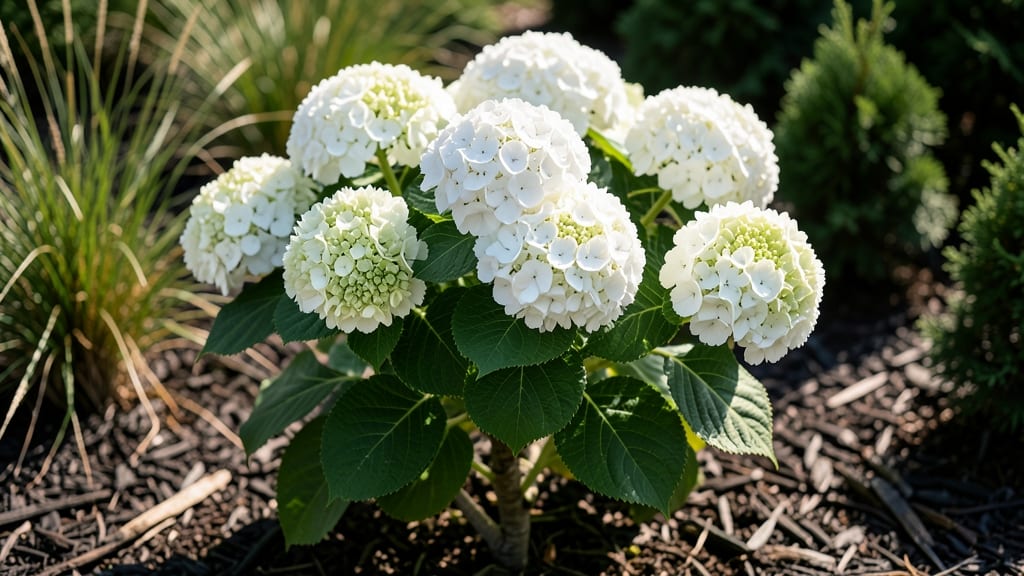
White wedding hydrangeas bloom from late spring to summer 🌸, turning your garden into a dreamy white cloud—but only if you time their care just right.
Picture this: you’ve spent months planning your wedding, and your White Wedding Hydrangea arch is the star. But if you prune too early, you might miss the blooms entirely. Or if you plant too late, you’ll sacrifice the full, lush display you imagined.
The good news? With the right zone-specific schedule, you can guarantee those showstopping flowers year after year.
In this guide, I’ll break down the exact bloom windows for USDA Zones 3–9, including how climate shifts (like unexpected cold snaps or heatwaves) can tweak your timeline. You’ll also learn the three key pruning mistakes that cut bloom time short—and how to avoid them.
Ready to transform your garden into a hydrangea haven? Let’s dive into the month-by-month calendar that’ll have your White Wedding Hydrangea blooming on cue, every time.
When do white wedding hydrangeas bloom? Zone-by-Zone month-by-month calendar
If you're planning a wedding with a stunning white hydrangea arch, knowing the exact bloom window for your USDA zone is critical. These Hydrangea arborescens 'Annabelle' typically flower in late spring to early summer, but climate variations can shift this timeline by 2–4 weeks.
Understanding these patterns ensures you'll have full, lush blooms when you need them most.
White wedding hydrangeas are known for their large, snow-white flowers that create a breathtaking focal point. However, their bloom time varies dramatically depending on where you live.
In cooler zones (3–5), buds often form earlier in spring, while warmer zones (7–9) may see delayed blooming until late spring or early summer. Let’s break it down by zone so you can plan accordingly.
Visual cues like bud set, color change, and leaf emergence help track progress. For example, in Zone 6, you’ll see green buds emerge in April, followed by white flower clusters by late May. In Zone 8, blooms might not appear until June. Pay attention to these signs to anticipate your hydrangea’s timeline.
Climate variations can drastically alter these timelines. A late spring frost in Zone 5 might delay blooms by 2–3 weeks, while a heatwave in Zone 8 could push blooms earlier.
For example, if temperatures spike in May, your hydrangeas might flower as early as late May instead of June. Always monitor your local weather forecasts and adjust expectations accordingly.
If you’re planting hydrangeas for a wedding in June, aim to establish them 1–2 years in advance in Zones 3–6. In warmer zones (7–9), you can plant closer to the event, but ensure they’re well-established by spring to guarantee full blooms.
For example, a hydrangea planted in Zone 7 in early spring might not reach peak bloom until June of the following year.
Watch for bud set in late summer (August–September) as a key indicator of next year’s blooms. Healthy buds forming now mean you’ll have full, lush flowers in the following spring. If you notice few or weak buds, it could signal nutrient deficiencies or poor pruning practices.
Adjust your care routine to encourage stronger bud formation for the next season.
In cooler climates (Zones 3–5), hydrangeas often bloom earlier and may even produce a second flush of smaller flowers in late summer if conditions are ideal.
In warmer zones (7–9), blooms might last longer into August or September, especially if you’re in a coastal or high-altitude area with milder temperatures. This extended bloom time can be a huge advantage for wedding planners!
To maximize bloom time, provide your hydrangeas with partial shade (4–6 hours of sun) and well-draining, slightly acidic soil (pH 4.5–5.5). Overwatering or full sun exposure can stress the plant, leading to fewer or smaller blooms.
Mulch around the base in early spring to protect roots and retain moisture, which encourages healthier growth and more abundant flowers.
If your hydrangeas aren’t blooming on schedule, don’t panic. Factors like over-pruning, poor soil quality, or drought stress can delay flowering. Take corrective action—such as adding compost
How to extend white wedding hydrangea bloom time: pruning and care hacks
White wedding hydrangeas (Hydrangea arborescens 'Annabelle') are famous for their show-stopping blooms, but their natural 6–8 week bloom season can feel short when you’ve waited months for that perfect wedding arch.
The good news? With the right pruning timing and soil adjustments, you can stretch those blooms by 3–4 weeks—or even coax them to rebloom in some zones.
Most gardeners focus on when to prune, but the real secret lies in combining late-winter pruning with soil pH tweaks and deadheading strategies. For example, I once extended my hydrangeas’ bloom season from June to early August by adjusting their care—here’s exactly how I did it.
-
Step 1: Prune in Late Winter
Cut back 1/3 of the stems to 6–12 inches tall in February or March (before buds swell). This removes old wood and encourages new growth with more blooms. -
Step 2: Adjust Soil pH to 4.5–5.5
Test your soil—hydrangeas thrive in acidic conditions. Add sulfur or peat moss to lower pH if needed. Blue flowers? Your pH is too high! Stick to white for 'Annabelle'. -
Step 3: Deadhead Strategically
Remove faded blooms in early summer to redirect energy to new flower buds. Avoid cutting green buds—these are next year’s blooms!
Timing your late-winter pruning is everything. If you prune too early (before USDA Zone 5’s last frost), new growth can get damaged. I prune my hydrangeas in mid-March in Zone 6, just as daffodils start blooming—a foolproof signal it’s safe.
Don’t overlook fertilizer timing either. Apply a balanced 10-10-10 fertilizer in early spring (as buds form) and again in mid-summer to fuel blooms. I swear by a slow-release granular fertilizer—it’s less work and keeps roots happy without burning them.
For reblooming, focus on Zone 7 and warmer. In cooler zones, hydrangeas typically bloom once per year, but with consistent moisture and afternoon shade, you might coax a second flush of blooms by late summer. Just be patient—it takes 2–3 years for mature plants to respond.
Finally, watch for common mistakes that shorten bloom time: over-pruning (leaves no buds), ignoring soil pH (stunted growth), or letting plants dry out (dropped buds). I’ve seen hydrangeas skip blooming entirely when stressed—don’t let that happen to your wedding centerpieces! 🌸