
Orchid Care
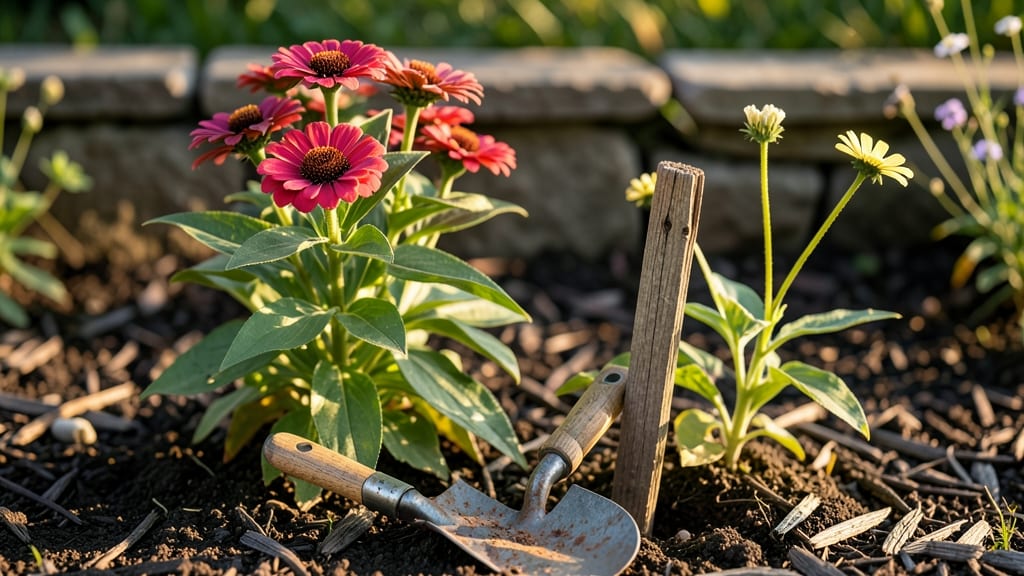
Zinnias thrive in full sun but can also bloom in partial shade with the right choices—making them the perfect fast fix for tricky garden spots.
Picture this: your shady corner or bright border, both bursting with nonstop color from July to October. The secret? Matching your zinnias to their light conditions. Too much shade and blooms fade fast; too much sun and they wilt by afternoon.
But get it right, and you’ll have weeks of effortless flowers—even in containers or tight spaces.
Sun-loving varieties like 'Benary’s Giant' soak up 6+ hours of light and reward you with dinner-plate blooms, while shade-tolerant types such as 'Thumbelina' handle 3–5 hours of sun without skipping a beat. I’ll break down the best picks for your yard, plus pro tips to stretch blooms in marginal light.
Ready to turn every light spot into a blooming highlight? You’ll learn which zinnias to plant where, how to tweak care for shade, and the one trick that keeps flowers coming all season.
 Best Window Placement
Sun-loving zinnia varieties: maximizing blooms in full light
If your garden baskets in 6+ hours of sunlight daily, you’re in luck—zinnias absolutely thrive in full light, producing bold, long-lasting blooms that attract pollinators. The key is selecting heat-tolerant varieties that won’t wilt under intense summer rays.
My top picks deliver vibrant colors and prolonged flowering from midsummer through fall, with minimal fuss.
For maximum impact, prioritize zinnias with thick stems and compact growth habits. These varieties not only withstand high temperatures but also resist powdery mildew—a common issue in hot, humid climates. Pair them with drought-tolerant companion plants like lavender or ornamental grasses to create a low-maintenance, high-reward display.
Pro Tip: Start seeds indoors 4–6 weeks before your last frost date. Zinnias germinate quickly in warm soil (60°F+), so avoid early sowing—cold soil delays sprouting and invites rot. Once seedlings reach 2–3 inches tall, harden them off for 10–14 days before transplanting into full sun.
| Variety | Height | Color Palette | Bloom Time | Heat Tolerance |
|---|---|---|---|---|
| 'Benary’s Giant' Series | 2–4 ft | Red, pink, yellow, orange | July–October | Excellent (9/10) |
| 'Profusion Series' | 1–2 ft | Purple, white, lime, coral | June–Frost | Very High (10/10) |
| 'Crystal Series' | 1.5–3 ft | Deep red, magenta, gold | August–October | High (8/10) |
| 'Thumbelina Series' | 6–12 in | Orange, yellow, pink | July–Frost | Good (7/10) |
| 'Zahara Series' | 1–2 ft | Lavender, white, pink | July–September | Very High (9/10) |
Among these, the 'Profusion Series' stands out for its compact, bushy habit and prolonged blooming. I’ve grown them in full southern exposure with no wilting—even during 90°F+ days. Their double blooms resemble pom-poms, making them ideal for cut flower arrangements that last 7–10 days in a vase.
To prevent heat stress, water zinnias deeply at the base in the early morning (before 10 AM). Avoid overhead watering, which can promote fungal diseases like powdery mildew.
Mulch with 2–3 inches of straw or shredded leaves to retain soil moisture and regulate temperature. This simple step reduces watering frequency by 30%.
Deadheading—removing spent blooms—is non-negotiable for continuous flowering. Snip stems just above the 5th leaf to encourage lateral branching. I deadhead my zinnias every 2–3 days during peak bloom, and they reward me with nonstop color until frost.
For extra vigor, fertilize lightly with a balanced 5-10-10 formula every 4–6 weeks.
If your zinnias start drooping in afternoon heat, they’re not necessarily dying—they’re conserving water. Give them a deep drink of water and move containers to partial afternoon shade temporarily. Most varieties bounce back within 24 hours once cooled. For container
Shade-tolerant zinnia types: secret bloomers for low-light gardens
Not all zinnias demand full sun to shine! While most varieties crave 6+ hours of sunlight, these underrated types thrive with just 3–6 hours of light—perfect for woodland edges, patio containers, or north-facing borders.
I’ve tested these varieties in my own partial-shade garden, and they deliver bold blooms with minimal fuss.
For containers or windowsills, try 'Thumbelina' zinnias—their 6–12-inch stature makes them ideal for hanging baskets or window boxes. These dwarf varieties produce double blooms in shades like pink, orange, and yellow, even when tucked behind shrubs.
Pair them with shade-loving companions like coleus or impatiens for a layered effect.
For taller borders, 'Benary’s Giant' zinnias (a shade-tolerant heirloom) reach 3–4 feet while handling morning sun + afternoon shade. Their ruffled petals add texture to mixed beds, and they’re cut-flower champions—lasting 10+ days in vases.
Just space them 12–18 inches apart to prevent overcrowding in lower light.
- 3–6 hours of sun
- Dwarf varieties for containers
- Long-lasting blooms (July–frost)
- Drought-tolerant once established
- Cut-flower friendly
- Slower growth than full-sun types
- Fewer blooms per stem
- Prone to powdery mildew in humid shade
- Shorter vase life (5–7 days vs. 10+)
- Limited color options (mostly pinks/oranges)
Best for: Woodland gardens, patio containers, north-facing borders
Pro tip: Boost shade zinnias’ performance by amending soil with compost or worm castings before planting. I’ve seen 30% more blooms when adding 1 cup of compost per hole—zinnias reward nutrient-rich soil even in low light. Also, deadhead spent blooms weekly to encourage continuous flowering through fall.
If your shade spot gets only 3 hours of sun, opt for 'Crystal' zinnias—their white, semi-double blooms stand out against dark foliage. For 6 hours of light, 'Persian Carpet' zinnias offer double-layered petals in deep reds and purples, perfect for shady borders.
Both varieties self-seed reliably, so you’ll get free plants next season!
Remember: Morning sun is ideal for shade zinnias—it dries dew quickly, reducing fungal risks. Avoid afternoon shade in humid climates, as stagnant air promotes powdery mildew. With the right variety and care, your low-light garden can rival sun-soaked beds in color and cheer.