
Pests and Diseases
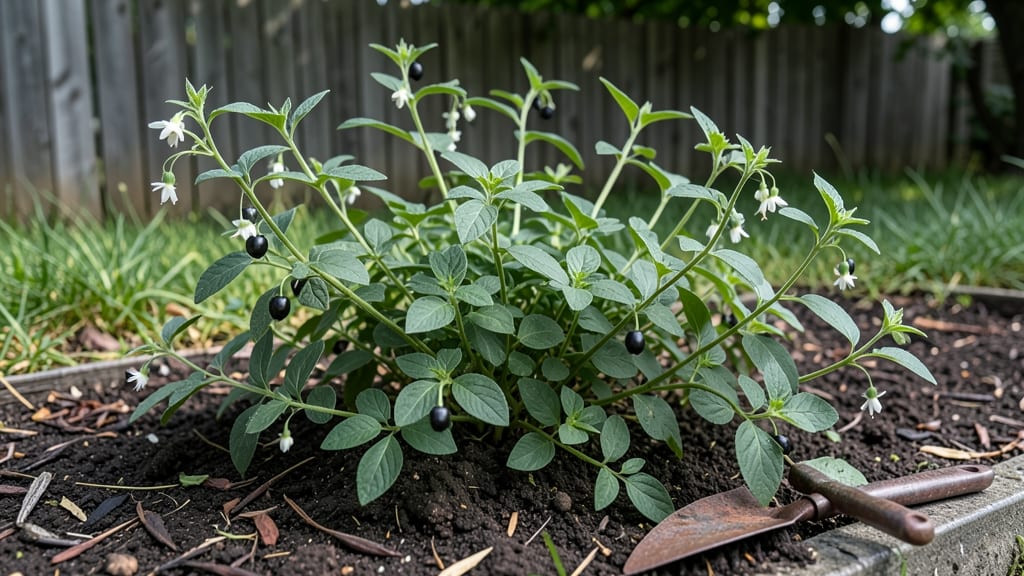
Before you dismiss that glossy black berry as harmless, mastering black nightshade identification is key—because what you’re seeing could be deadly.
One wrong identification could mean poisoning your pets or kids, so let’s get this straight: I’ll show you the telltale leaf shapes, stem hairs, and berry colors that scream "keep away" in seconds.
Black nightshade looks deceptively like edible nightshades at first glance—until you spot the key differences. Its leaves are oval with a slightly jagged edge, stems are hairless (unlike deadly nightshade’s fuzzy ones), and its berries start green, turn yellow, then black when ripe.
Deadly nightshade has bell-shaped flowers and purple-black berries, while black nightshade’s flowers are tiny and white. Confusing? Here’s the game-changer: black nightshade’s leaves grow in pairs along the stem, while safe plants like tomatoes have alternating leaves.
Once you spot it, act fast—this plant spreads aggressively and its berries are toxic to humans, pets, and livestock. Pull it by the roots (gloves recommended) and dispose of it in sealed trash. If your garden’s already overrun, smother it with cardboard or vinegar spray.
The good news? Most edible nightshades (tomatoes, peppers, eggplants) have completely different growth habits, so once you know what to watch for, you’ll spot the imposters instantly.
This isn’t just about avoiding poison—it’s about protecting your garden’s health. Black nightshade competes with your plants for nutrients, and its seeds can linger in the soil for years.
A sharp eye now saves headaches (and vet bills) later. Let’s make your garden a safe zone for your family and pets—starting with proper identification.
Root Causes Of Misidentification
Misidentifying black nightshade (Solanum nigrum)—or confusing it with harmless lookalikes—often stems from a mix of botanical similarities, human error, and environmental factors. Understanding these root causes can help gardeners and foragers avoid dangerous mistakes. Below are the key reasons why misidentification happens, broken down into actionable insights.
Black nightshade shares striking similarities with edible nightshades, including:
- Eggplant (Solanum melongena) – Young leaves and stems resemble black nightshade, especially when unripe.
- Tomatoes (Solanum lycopersicum) – Wild tomato relatives (like Solanum ptycanthum) can look nearly identical in foliage.
- Potatoes (Solanum tuberosum) – Some wild potato varieties have similar leaf structures.
Why it happens:
- Leaf shape & arrangement: Black nightshade has lance-shaped, slightly hairy leaves with a distinct "star-like" pattern when young. Edible nightshades may mimic this, especially in early growth stages.
- Berry resemblance: Both black nightshade and deadly nightshade (Atropa belladonna) produce small, round berries—though black nightshade’s are black when ripe (not shiny red like belladonna).
- Growth habit: All nightshades grow low to the ground, making them easy to overlook until they fruit.
💡 Pro Tip: Always check berry color at maturity—black nightshade’s berries are matte black, while edible nightshades (like tomatoes) have glossy, colored fruit.
Even experienced foragers and gardeners can misidentify black nightshade due to:
- Relying on partial traits (e.g., "all nightshades have compound leaves")—false.
- Ignoring key differences like stem texture (black nightshade has slightly hairy, green stems; eggplants are smooth and purple-tinged).
- Seasonal variations—young plants may lack distinguishing features until they flower or fruit.
Why it happens:
- Lack of full plant knowledge: Many people recognize one stage (e.g., leaves) but not all growth phases (flowers, berries, roots).
- Urban legends & folklore: Some gardeners dismiss identification guides, assuming "if it looks like a tomato, it must be safe." ❌
- Poor lighting conditions: Shadows can make berry colors appear similar (e.g., black vs. dark purple).
🔥 Action Step: Use a field guide or app (like iNaturalist or PlantNet) to cross-reference traits—never guess based on one feature.
Black nightshade thrives in disturbed soils, roadsides, and gardens, often growing alongside:
- Weeds (e.g., lamb’s quarters, purslane)
- Cultivated crops (tomatoes, peppers)
- Invasive species (like bittersweet nightshade, Solanum dulcamara)
Why it happens:
- Geographic overlap: In tropical and temperate regions, multiple Solanum species coexist, increasing confusion.
- Hybridization risks: Some black nightshade plants may cross-pollinate with edible nightshades, creating intermediate forms.
- Misleading common names: Terms like "wild tomato" or "garden huckleberry" (for Solanum nigrum) can lead to dangerous assumptions.
🌡️ Climate Note: Black nightshade is more aggressive in warm, moist climates, where it outcompetes edible plants—always double-check in high-risk areas.
For decades, black nightshade was misused in folk medicine and even marketed as a "superfood" in some cultures.
This has led to: - Normalized consumption of immature berries (toxic when raw). - Confusion with "nightshade-free" diets (some avoid all Solanum plants, but black nightshade is not the same as peppers or tomatoes). - Lack of updated warnings in older gardening books.
Why it happens:
- Selective breeding myths: Some believe "cooking removes toxins"—false (solanine is heat-stable).
- Cultural taboos: In parts of Europe, black nightshade was avoided due to superstition, but in Asia, it was used in traditional remedies (often incorrectly).
✨ Key Fact: Only fully ripe, cooked black nightshade berries are sometimes considered safe in tiny amounts—never eat leaves, stems, or unripe fruit.
Even DNA testing can be misleading if:
- Samples are taken from hybrid plants.
- Databases lack regional variations of Solanum nigrum.
- Apps rely on user-submitted (often incorrect) data.
Why it happens:
- Limited botanical research on lesser-known Solanum species.
- Over-reliance on digital tools without hands-on verification.
- Toxicity testing lags behind identification—some compounds (like solanine) vary by plant part and maturity.
🎯 Best Practice: When in doubt, send a sample to a local extension office or use multiple identification sources.
Misidentification isn’t just about looking too closely—it’s about understanding the full lifecycle of the plant and cross-referencing multiple traits. By recognizing these root causes, you can build a foolproof identification system for your garden or foraging trips.
Quick Fixes for Black Nightshade Confusion
Misidentifying black nightshade (Solanum nigrum) in your garden can lead to accidental poisoning or wasted effort trying to grow toxic plants. The good news? With a few simple steps, you can correctly identify, remove, and prevent this pesky lookalike from ruining your harvest.
Below are practical, step-by-step solutions tailored to common causes—plus prevention tips to keep your garden safe and thriving.
Problem: You’ve harvested (or nearly eaten) a plant you thought was safe—like eggplant, tomato, or pepper—but it turns out to be black nightshade.
Fix It Fast:
- 🚨 Stop Consumption Immediately
- Black nightshade contains solanine, a toxic compound that can cause nausea, vomiting, or worse if ingested in large amounts. Do not eat it.
- If you’ve already consumed a small amount, monitor for symptoms (stomach pain, dizziness) and seek medical help if needed.
- 🔍 Double-Check with a Plant ID Guide
- Use a reliable app (like PlantNet or iNaturalist) or consult a local extension office to confirm the plant’s identity.
- Key distinguishing features:
- Leaves: Black nightshade has hairy stems and leaves (unlike smooth tomato/pepper stems).
- Berries: Green when unripe, black and shiny when ripe (safe nightshades like eggplants have purple or white flowers and larger, glossy fruits).
- Root system: Black nightshade has a fibrous, shallow root (vs. deep taproots in tomatoes).
- 🗑️ Dispose of the Plant Safely
- Do not compost toxic plants—they can contaminate soil. Instead, bag and trash them or burn them (if legal in your area).
Problem: You’re growing edible nightshades (tomatoes, peppers, eggplants) but keep finding black nightshade popping up.
Prevent & Remove It:
- 🌱 Pull It Early & Often
- Black nightshade spreads via seeds and runners. Hand-pull seedlings before they mature (wear gloves—sap can irritate skin).
- Best time to remove: Morning, when soil is moist (plants pull out easier).
- 🛡️ Mulch to Block Regrowth
- Apply a thick layer of mulch (straw, wood chips) around your plants to smother new sprouts and prevent seed germination.
- Pro tip: 💡 Black plastic mulch (used for warming soil) can also block light and prevent weeds like black nightshade.
- 🌿 Use Vinegar Spray for Established Plants
- Mix 1 gallon of white vinegar + 1 oz dish soap in a spray bottle.
- Spray directly on leaves (avoid edible plants—vinegar can harm them too).
- Reapply every 3-5 days until the plant dies.
- 🐞 Encourage Beneficial Insects
- Ladybugs and lacewings eat black nightshade seeds. Plant marigolds or dill nearby to attract them.
Problem: You’re foraging for wild edibles (like ground cherries or wild tomatoes) but worry about toxic lookalikes.
Stay Safe with These Rules:
- 📖 The "Two-Step ID" Method
- Step 1: Check flower color—black nightshade has tiny white or greenish flowers (vs. purple/yellow in edible nightshades).
- Step 2: Smell the leaves—black nightshade has a mild, bitter aroma (edible nightshades smell fresh or slightly sweet).
- ⏰ Time Your Harvest Right
- Never eat unripe berries—they’re more toxic. Wait until they’re fully black and shriveled (but even then, cook thoroughly to reduce solanine).
- Avoid eating raw—cooking reduces toxicity but doesn’t eliminate it entirely.
- 🎯 When in Doubt, Throw It Out
- If you’re unsure, skip it. There are plenty of safe wild edibles (like lamb’s quarters or dandelions) that won’t make you sick.
Problem: Black nightshade keeps coming back year after year.
Break the Cycle with These Strategies:
| Cause | Solution | Prevention Tip |
|---|---|---|
| Seed contamination | Remove all plants before seed set. | 💡 Solarize soil (cover with clear plastic for 4-6 weeks in summer to kill seeds). |
| Poor soil health | Test soil pH (black nightshade thrives in acidic soil). | 🌱 Add lime to raise pH if needed (ideal: 6.0-7.0 for veggies). |
| Overcrowded garden | Space plants 12-24 inches apart. | ✨ Use trellises for tomatoes/peppers to improve airflow and reduce weed growth. |
| Wild birds spreading seeds | Install bird netting over plants. | 🎯 Harvest fruits early before they overripe and attract birds. |
Final Pro Tip: 🔥 Grow companion plants like basil, thyme, or onions near your nightshades—they repel black nightshade and improve flavor!
By following these steps, you’ll keep your garden toxic-free and enjoy your homegrown produce without a second thought. Happy (and safe) gardening! 🌱🍅
Frequently asked questions
How do I tell black nightshade apart from edible nightshades like tomatoes or eggplants?
Look for these key differences: black nightshade has hairy stems and lance-shaped leaves with jagged edges, while edible plants have smooth stems and broader leaves. Its berries are matte black when ripe (not shiny), and it grows low to the ground with white flowers. Edible nightshades have larger, colorful fruits and purple/yellow flowers.
Is black nightshade dangerous for pets?
Yes, it’s highly toxic to pets—especially dogs and cats. The berries contain solanine, which can cause vomiting, diarrhea, or even neurological issues. If your pet ingests any part of the plant, contact your vet immediately. Keep pets away from garden areas where black nightshade grows.
Can I use black nightshade in cooking if I cook it thoroughly?
No, even cooked black nightshade berries can be dangerous. While cooking reduces some toxins, solanine remains and can still cause illness. Traditional uses in some cultures were risky—stick to well-identified, safe plants like tomatoes or eggplants. When in doubt, avoid it entirely.
How do I remove black nightshade from my garden permanently?
Pull it by the roots (wear gloves!) and dispose of it in sealed trash—never compost. For persistent infestations, smother the area with cardboard or black plastic for 4-6 weeks to kill seeds. Solarizing soil (covering with clear plastic in summer) also works. Replant with companion plants like basil or marigolds to deter regrowth.
What’s the difference between black nightshade and deadly nightshade?
Deadly nightshade (Atropa belladonna) has bell-shaped purple flowers and shiny red berries, while black nightshade has tiny white flowers and matte black berries. Both are toxic, but deadly nightshade is far more poisonous—never eat either. If you spot either, remove them immediately.