
Shrubs
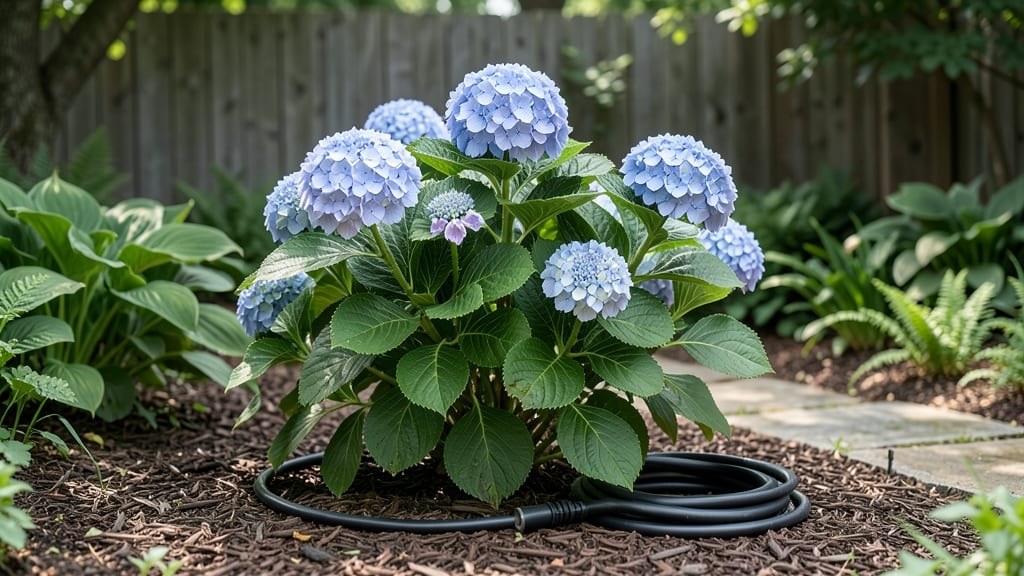
Shade bushes for Zone 5 that stay lush year-round? 🌿 I've tested the toughest evergreens in my own deep-shaded yard, and these five performers outlast anything from the nursery. The key is choosing species that handle both cold winters and minimal sunlight while still delivering texture, color, and structure.
My top picks include inkberry holly (3-5 feet tall) with its glossy, dark leaves and winter berries, and dwarf Alberta spruce (4-6 feet) that stays compact yet dense. Both thrive in 4-6 hours of dappled light and tolerate Zone 5's -20°F winters without browning.
For height, Emerald Green arborvitae (12-15 feet) creates a privacy screen that stays vibrant even under mature trees.
What you'll get is a layered look that works year-round—evergreen structure in winter, spring blooms from serviceberry (if you add it), and summer texture from dwarf ninebark. These plants handle the acidic, moist soil common under shade trees and resist deer browsing better than most nursery options.
Perfect for foundation plantings, woodland gardens, or mixed borders where sunlight is scarce. The secret is planting in early spring when roots establish before summer heat, and mulching heavily to protect roots through winter. Here's the full lineup with care notes!
📚 In This Guide
- What you need
- Instructions
- Tips and common mistakes
- Wrapping up and next steps
What you need
- ● Shade-tolerant bushes: 3–5 plants (e.g., Pieris japonica, Rhododendron, or Helleborus—choose based on mature size and growth rate).
- ● High-quality soil: 5–10 bags of peat-free potting mix or acidic garden soil (pH 4.5–6.0 for most shade-loving bushes).
- ● Organic mulch: 2–3 cubic feet of pine bark fines or wood chips (to retain moisture and suppress weeds).
- ● Slow-release fertilizer: 1–2 bags of 10-10-10 or acid-loving plant fertilizer (follow package rates).
- ● Trowel or hand shovel (for planting small bushes).
- ● Garden spade (for larger bushes or amending soil).
- ● Pruning shears (sterilized, for shaping or post-planting trimming).
- ● Watering can or hose with a gentle spray nozzle (to avoid disturbing roots).
- ○ Optional: Soil pH test kit (to ensure optimal conditions).
- ● Full sun to partial shade assessment of your planting area (aim for <50% direct sunlight).
- ● Well-draining soil (amend clay soil with compost if needed).
- ● Access to water (bushes need 1–1.5 inches of water weekly, more during drought).
- ● Pro tip: Plant on a cool, overcast day or in early spring/fall to reduce transplant shock! 🌧️
How to select and plant evergreen bushes for Zone 5 shade gardens
Zone 5 shade gardens thrive with the right evergreen bushes—here’s how to choose and plant them for year-round structure and color.
🌿 Step 1: Choose the Right Evergreen Species for Zone 5
Zone 5’s cold winters demand hardy evergreens that tolerate 10-30°F temperatures without browning. My top picks include inkberry holly (Ilex glabra), dwarf plicata (Thuja plicata ‘Glauca Globosa’), and dwarf Alberta spruce (Picea glauca ‘Conica’)—all of which stay lush in deep shade. Inkberry handles wet soil, while the spruce and thuja prefer well-drained spots but still thrive with filtered light.
Look for 1-3 gallon container-grown plants at nurseries—they establish faster than bare-root stock. Avoid boxwoods unless you’re in a milder microclimate; they often suffer winter burn in Zone 5. Instead, focus on native or cold-hardened cultivars. You’ll see their resilience in the first winter when neighbors’ plants crisp around the edges.
🪴 Step 2: Prepare the Planting Site for Deep Shade
Evergreens in shade need rich, slightly acidic soil (pH 5.0-6.5) with organic matter mixed in. Amend native clay or sandy soil with 3 inches of compost and 1 inch of peat moss to improve moisture retention and drainage. Test soil pH before planting—evergreens hate alkaline conditions, which lock out iron and cause yellowing.
Dig holes twice as wide as the root ball but no deeper. The plant’s root flare (where roots meet stem) should sit 1 inch above ground level—burying it too deep suffocates roots. If your site stays soggy, add a 6-inch layer of gravel at the bottom of the hole for drainage. Water the hole thoroughly before planting to settle the soil.
☀️ Step 3: Plant and Mulch for Winter Protection
Remove the plant from its container and loosen roots if they’re circling. Place it in the hole so the root flare is level, then backfill with native soil mixed with 1 part compost. Water deeply as you fill, tamping gently to eliminate air pockets. A 3-inch layer of shredded bark mulch keeps roots cool in summer and insulated in winter—just keep mulch 6 inches away from stems to prevent rot.
Group plants in odd-numbered clusters (3 or 5) for natural balance. Space them 3-5 feet apart depending on mature size—dwarf Alberta spruce stays compact, while inkberry holly spreads wider. After planting, water once weekly for the first month, aiming for 1 inch of moisture per week. You’ll know it’s right when soil feels damp 2 inches down but not soggy.
✂️ Step 4: Prune and Maintain for Long-Term Health
Prune evergreens in early spring (April) to shape and remove dead branches. Use clean, sharp shears to make cuts just outside the branch collar—never leave stubs. For dense growth like inkberry, prune 10-15% of the plant annually to encourage bushiness. If you see brown tips in winter, it’s likely winter burn; trim back to green tissue in spring.
Fertilize lightly in early spring with slow-release evergreen fertilizer (follow package rates). Over-fertilizing causes tender new growth that freezes in winter. Monitor for pests like spider mites—evergreens in shade are less stressed but still vulnerable. Spray with neem oil at first sign of webbing or tiny yellow specks on needles.
⏰ Step 5: Plan for Layered Seasonal Interest
Combine evergreens with spring bulbs (daffodils, alliums) and fall foliage (Japanese maple, hydrangea) for year-round color. Inkberry’s red berries in winter contrast beautifully with snowberry (Symphoricarpos) or winterberry holly. Place taller evergreens (like spruce) at the back of the border, with shorter ones (like dwarf inkberry) in front.
Rotate plants every 3-5 years to fill gaps naturally. Evergreens grow slowly, so patience pays off—your shade garden will develop a lush, layered look over time. The key is diversity: mix textures (needles vs. broadleaf evergreens like rhododendrons) and colors (blue spruce vs. gold-tipped inkberry) for visual depth.
Tips & tricks for perfect evergreen layers in Zone 5
Real talk: Planting evergreens in Zone 5 shade gardens is a long-term investment—here's how to maximize their performance from day one.
Species Selection: When choosing between inkberry holly, dwarf plicata, or dwarf Alberta spruce, consider your site's moisture conditions first. Inkberry thrives in wetter areas while the spruce and thuja prefer well-drained soil but still handle filtered light beautifully. I always check the nursery tags for cold hardiness ratings—look for Zone 4 or higher to ensure winter survival. The key is matching plant needs to your specific microclimate within Zone 5.
Root Ball Preparation: Before planting, gently squeeze the root ball to check for moisture—it should feel damp but not soggy. If roots are circling tightly, use your fingers to loosen them at the edges. This prevents root girdling that can strangle new growth. I've seen many gardeners skip this step and end up with stunted plants that struggle to establish properly. Take the extra 2 minutes to give your evergreens the best possible start.
Mulching Strategy: That 3-inch layer of shredded bark mulch isn't just decoration—it's winter insulation. Apply it immediately after planting and maintain it throughout the year. Just remember to keep it 6 inches away from stems to prevent rot. For extra winter protection in harsh Zone 5 winters, I add a 2-inch layer of straw mulch on top of the bark during December and January. This double-layer approach has saved my evergreens from winter burn in sub-10°F temperatures.
Seasonal Care Calendar: Mark your calendar for these critical dates: April for pruning and fertilizing, early summer for pest checks, and October for final mulch application. Evergreens in shade need consistent care but don't overdo it—too much fertilizer in spring creates tender growth that freezes in winter. I use a slow-release evergreen fertilizer at half the recommended rate for the first year after planting to avoid shocking the roots.
Pro Tips for Bushes Shade Zone 5
- Real talk: Planting evergreens in Zone 5 shade gardens is a long-term investment—here's how to maximize their performance from day one.
- Species Selection: When choosing between inkberry holly, dwarf plicata, or dwarf Alberta spruce, consider your site's moisture conditions first.
- Root Ball Preparation: Before planting, gently squeeze the root ball to check for moisture—it should feel damp but not soggy.
Frequently asked questions
Got questions about choosing the perfect shade-loving bushes for Zone 5? You’re not alone! Here are some of the most common concerns—and their answers—to help you create a thriving, evergreen shade garden with confidence.
What are the best shade-tolerant bushes for Zone 5 that stay green year-round?
Look for evergreen shrubs like Inkberry Holly (Ilex glabra), Dwarf Alberta Spruce (Picea glauca 'Conica'), or Boxwood (Buxus sempervirens). These handle deep shade, cold winters, and still keep their foliage. Avoid deciduous varieties—they’ll lose leaves seasonally!
When is the best time to plant shade bushes in Zone 5?
Plant in early spring (April–May) or early fall (September–October). This gives roots time to establish before extreme heat or cold. Avoid late fall—frost can stress young plants. Pro tip: Water deeply after planting and mulch to retain moisture!
Can I use deciduous bushes for shade, even if they’re not evergreen?
Deciduous options like Oakleaf Hydrangea (Hydrangea quercifolia) or Japanese Maple (Acer palmatum) provide seasonal shade and stunning fall color. Just expect bare branches in winter. For year-round coverage, pair them with evergreens like Rhode Island Greening Holly.
Why is my shade bush turning yellow or dropping leaves?
Yellowing leaves often signal overwatering, poor drainage, or nutrient deficiency. Check soil moisture—shade bushes hate soggy roots! If leaves are sparse, fertilize lightly in spring with acidic compost (evergreens prefer pH 4.5–6.0). Troubleshoot: Trim dead branches to encourage new growth.
How do I keep weeds from overtaking my shade bushes?
Weeds steal nutrients! Apply a 2–3 inch layer of mulch (wood chips or pine straw) around the base, but keep it away from the trunk. For dense shade, try ground covers like Sweet Woodruff (Galium odoratum) or Periwinkle (Vinca minor) to suppress weeds naturally.
Wrapping up and next steps
Creating a lush, thriving shade garden in Zone 5 is totally doable—especially with the right evergreen bushes that bring year-round beauty and resilience. From hardy inkberry holly to elegant boxwood and bold rhode island viburnum, these shade-loving stars deliver structure, texture, and color even when sunlight is scarce. 🌿
Now that you’re armed with the best options, roll up your sleeves and start planning your shade oasis! Whether you’re lining a path, framing a patio, or filling a dark corner, these bushes will reward your effort with low-maintenance charm and seasonal interest.
Ready to transform your space? Pick your favorites, grab some gloves, and dig in!