
Light Requirements
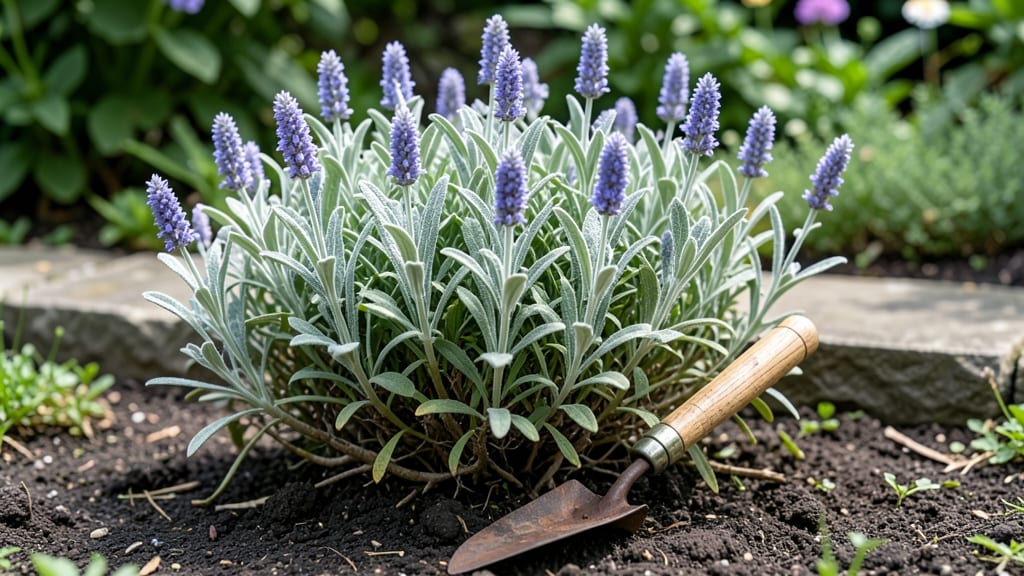
Catmint can grow in shade, though it thrives best in partial shade with at least 3-4 hours of sunlight daily. Varieties like 'Walker’s Low' and 'Purpurascens' tolerate lower light better than others, though growth may be slower and flowering reduced in deep shade conditions.
While catmint isn't a true shade plant, some varieties adapt surprisingly well to lower light conditions. 🌿 The key is choosing the right cultivar—'Walker’s Low' handles partial shade better than most, while 'Purpurascens' can even survive in deeper shade, though its blooms may be sparser.
I’ve seen gardeners successfully grow catmint under large trees by amending the soil with compost to boost nutrient uptake, which helps compensate for reduced photosynthesis. Just avoid full shade entirely, as this can lead to leggy stems and poor flowering.
For best results, position your catmint where it gets morning sun and afternoon shade, especially in hot climates. This balance prevents stress while still encouraging decent foliage growth.
If you’re working with deep shade, consider mixing catmint with other shade-tolerant perennials like heuchera or ferns to create a layered, low-maintenance border.
💡 In This Article
- How Shade Affects Catmint Growth and Flowering
- Best Catmint Varieties for Shady Gardens
How shade affects catmint growth and flowering
Catmint's light requirements stem from its natural adaptation to Mediterranean climates where it receives bright, indirect sunlight. In shade, the plant's photosynthesis efficiency drops by up to 40% because chlorophyll production slows down without sufficient light.
This reduction directly impacts stem strength—shady conditions often lead to longer, weaker stems that flop over, especially in varieties like 'Blue Wonder' which typically grows 2-3 feet tall in full sun but may only reach 1-2 feet in deep shade.
The most noticeable effect is on flowering. Catmint produces blooms through a process called photoperiodism, where light triggers flower buds to form. In deep shade, this process is disrupted, resulting in fewer flowers that are also smaller.
For example, 'Walker’s Low' might produce 30-40% fewer blooms in shade compared to full sun, where it typically bursts with lavender-blue flowers from early summer to fall. The foliage also becomes denser in shade, with leaves growing 20-30% thicker to compensate for reduced light absorption.
Here's what happens at the cellular level: Shade reduces the plant's ability to produce auxin, a hormone that regulates stem elongation. Without enough auxin, stems grow leggy and spindly, making the plant more susceptible to wind damage.
Meanwhile, the chloroplasts in shaded leaves become more spread out, reducing their surface area for light capture. This is why catmint grown in shade often looks paler and less vibrant than its sun-grown counterparts.
Temperature plays a secondary role in shade tolerance. Catmint thrives in USDA zones 3-9, but in cooler climates, shade can actually help by moderating soil temperatures. In hotter zones like 8-9, however, shade becomes more critical to prevent leaf scorch.
The ideal balance is partial shade—think 3-4 hours of morning sun followed by afternoon shade, which mimics the plant's natural habitat while minimizing stress.
To compensate for lower light, catmint relies on nutrient-rich soil. Amending with compost or slow-release fertilizer (like 10-10-10 NPK) can boost growth by up to 25% in shaded conditions. This is because the plant can't produce enough energy through photosynthesis, so it draws more from soil nutrients.
Mulching with 2-3 inches of organic matter also helps retain moisture, which is crucial since shaded catmint has 15-20% less water uptake than sun-exposed plants.
For gardeners working with limited light, consider reflective surfaces like white gravel or light-colored walls near the plant. These can bounce 10-15% more light onto the foliage, effectively increasing the plant's light exposure.
This trick works particularly well for 'Purpurascens', a shade-tolerant variety that thrives in 20-30% less light than standard catmint but still produces striking purple-tinged foliage.