
Plants
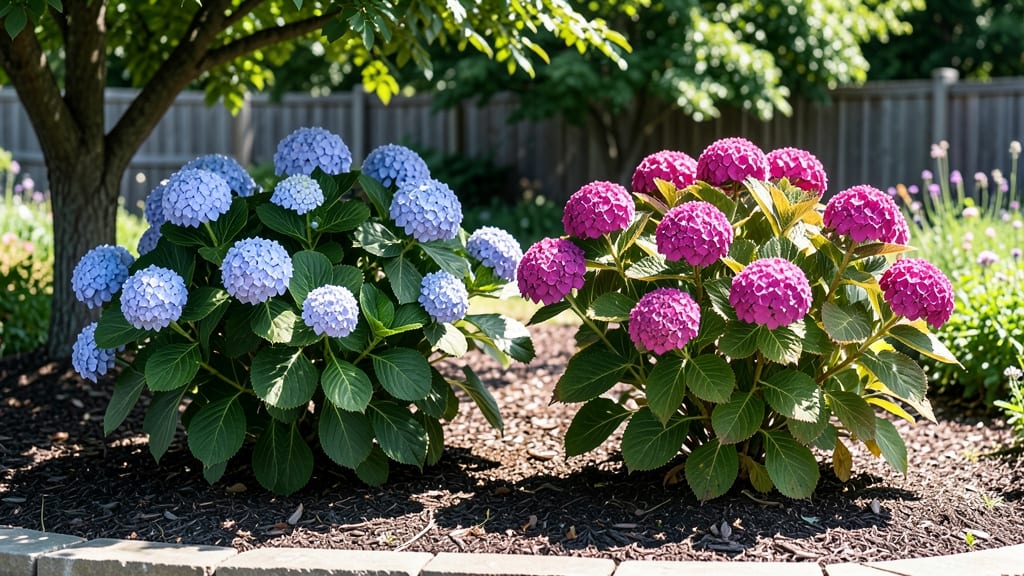
A hydrangea sun or shade plant can dazzle with lush blooms, yet whether your garden showcases vibrant flowers or sparse ones hinges on one critical factor: light exposure.
Struggling to get your hydrangeas to bloom? The secret isn’t just water or fertilizer—it’s understanding whether your variety thrives in sun, shade, or a mix of both. Each hydrangea type has unique light requirements that directly impact flower color, size, and even blooming time.
Some varieties, like 'Limelight', bask in full sun and reward you with bold, showy blooms, while others, such as 'Annabelle', prefer dappled shade to avoid wilting. Even the color of your flowers can shift based on sunlight—think blue or pink depending on soil pH and light conditions.
In this guide, I’ll break down the best varieties for sun vs. shade, how to adjust care for each type, and the simple tricks to ensure your hydrangeas bloom bigger and brighter—no matter where you plant them.
 Best Window Placement
Sun-loving hydrangeas: best varieties and care tips for maximum blooms
If you've ever struggled with hydrangeas that refuse to bloom in sunny spots, you're not alone. Many gardeners assume these showstoppers need shade, but sun-loving varieties thrive with 6+ hours of direct sunlight—they just need the right care.
The key is selecting varieties bred for full sun and adjusting your watering, soil, and pruning routines to prevent stress. With the right approach, your hydrangeas can produce larger, more vibrant blooms than ever before.
Not all hydrangeas are created equal when it comes to sunlight. Mophead and panicle types like 'Limelight' and 'Endless Summer' are the stars of sunny gardens, while others like 'Annabelle' can handle both.
The biggest mistake is assuming all hydrangeas have the same light needs—this leads to wilting, leaf scorch, or no flowers at all. Let’s fix that by focusing on the best sun-tolerant varieties and how to keep them thriving under the hot midday sun.
| Variety | Sun Needs | Soil pH | Water Needs | Bloom Time |
|---|---|---|---|---|
| 'Limelight' | Full sun (6+ hrs) | 5.5-6.2 (pink) | Deep weekly | Mid-summer |
| 'Endless Summer' | Partial sun (4-6 hrs) | 5.5-6.0 (blue/pink) | Moderate daily | Summer-fall |
| 'Little Lime' | Full sun (6+ hrs) | 5.5-6.2 (lime green) | Weekly deep soak | Late summer |
| 'Vanille Fraise' | Partial sun (4-6 hrs) | 5.0-5.5 (blue) | Consistent moisture | Summer |
| 'Grandiflora' (e.g., 'Nikko Blue') | Partial shade (morning sun) | 5.0-5.5 (blue) | Moderate | Mid-summer |
For maximum blooms in full sun, start with the right variety. 'Limelight' and 'Little Lime' are top picks because they handle intense afternoon sun better than most. These varieties produce bold, long-lasting blooms that stay vibrant even in heatwaves.
The secret to their success? Well-draining, slightly acidic soil (pH 5.5-6.2) that mimics their natural woodland edge habitats. If your soil is heavy clay, amend it with compost or peat moss to improve aeration and moisture retention.
Watering is where many gardeners go wrong with sun-loving hydrangeas. Unlike shade varieties, these need consistent deep watering—think 1-2 inches per week—to prevent stress. Morning watering is ideal because it gives leaves time to dry, reducing fungal risks like powdery mildew.
A common mistake is letting the soil dry out completely between waterings, which causes bud drop before flowers even open. Mulch around the base with 2-3 inches of organic mulch (like shredded bark) to lock in moisture and keep roots cool.
Pruning sun-loving hydrangeas is an art, not a science. Panicle types (like 'Limelight') bloom on new wood, so prune in late winter or early spring to shape the plant and remove dead stems. Never prune in fall—this removes next year’s flower buds.
For mophead varieties, wait until after blooming in summer to trim spent flowers, leaving 2-3 sets of leaves on each stem. This ensures next year’s blooms develop properly. If you prune at the wrong time, you risk no flowers at all for an entire season.
Fertilizing sun-loving hydrangeas requires a balanced approach. Use a 10-10-10 or
Shade-tolerant hydrangeas: hidden gems for low-light gardens with big blooms
Not all hydrangeas need full sun to dazzle. In fact, some varieties thrive in shady spots where others would struggle. If you've got a wooded backyard or north-facing garden, shade-tolerant hydrangeas like 'Annabelle' and 'Nikko Blue' are your secret weapon for bold blooms without the harsh afternoon sun.
These underrated varieties don't just survive in shade—they flourish with proper care. The key lies in understanding their unique needs, from soil pH adjustments to strategic watering. Let's explore how to make the most of these low-light superstars and transform your shady corners into vibrant displays.
Shade-Tolerant Hydrangeas: Pros & Cons
- Thrives in low light (3-6 hours sun)
- Big, bold blooms even in shade
- Less watering needed than sun varieties
- Perfect for wooded gardens or north-facing yards
- 'Annabelle' variety is deer-resistant
- Slower growth compared to sun varieties
- Requires more frequent pruning for shape
- Color may fade in deep shade (especially blue varieties)
- Needs well-draining soil to prevent root rot
- Fewer blooms if light is too limited (<3 hours)
🌿 Best for: Woodland gardens, under trees, north-facing beds, or urban courtyards with limited sun
For full shade (less than 3 hours of sun), focus on 'Annabelle' hydrangeas. These varieties produce white, sterile blooms that last all summer. Plant them in moist, well-draining soil with a pH of 6.0-6.5 for optimal performance. A 2-inch layer of mulch will help retain moisture and regulate soil temperature.
If you have partial shade (3-6 hours of sun), consider 'Nikko Blue' or 'Lacecap' varieties. These produce blue or pink blooms and appreciate morning sun with afternoon shade. To enhance color, amend your soil with hydrangea-specific fertilizer in early spring and mid-summer.
Avoid over-fertilizing, as this can lead to leafy growth at the expense of flowers.
One common mistake is assuming all hydrangeas need full sun. Many shade varieties actually bloom better when protected from harsh afternoon rays. For example, 'Endless Summer' can handle partial shade, but its blooms may be smaller and less vibrant compared to its sun-grown counterparts.
Always check the specific variety's requirements before planting.
To maximize blooms in shady spots, prune in late winter or early spring before new growth appears. Remove dead or weak stems and cut back others by one-third to encourage bushier growth.
Avoid pruning after mid-summer, as this can reduce next year's flowers. For woodland gardens, consider planting 'Oakleaf' hydrangeas—their fall foliage adds seasonal interest beyond just the blooms.
Don't let shade limit your hydrangea dreams. With the right variety and care, you can create a stunning display even in the shadiest corners of your garden.
Start with 'Annabelle' for reliable blooms or 'Nikko Blue' for striking color, and watch your low-light garden transform into a blooming oasis. 🌳