
Light Requirements
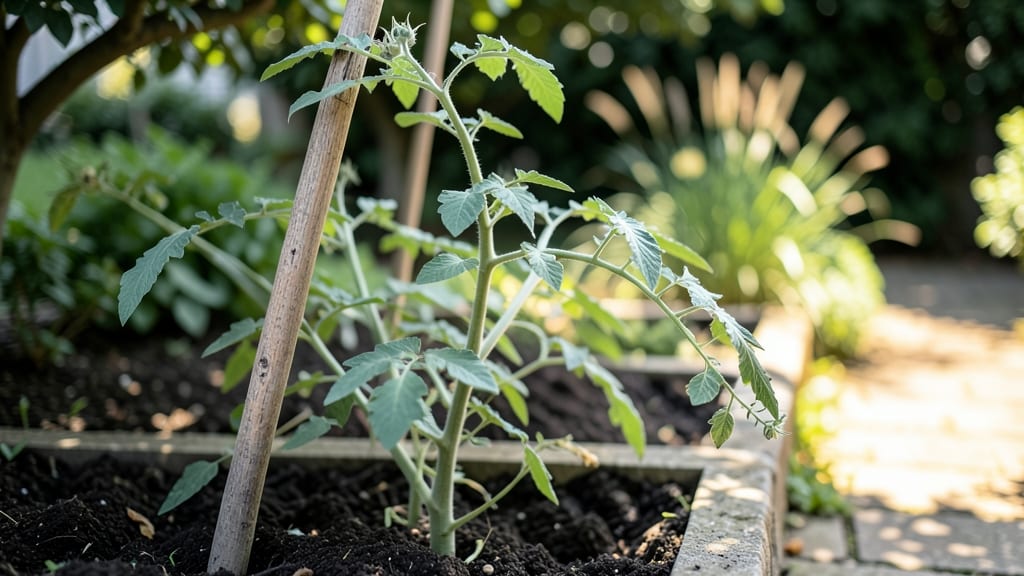
Tomatoes can grow in shade but require partial sunlight for optimal fruit production, thriving best with 4-6 hours of daily light. Choose compact varieties like 'Tiny Tim' or 'Patio Princess' for shaded conditions, and ensure well-draining soil and consistent moisture.
Shade-tolerant tomatoes still need some direct sunlight to produce fruit, but they'll prioritize leafy growth in deep shade. 🌱 The trade-off is smaller yields and fewer tomatoes, but with the right varieties and care, you can still enjoy a harvest.
I've found that east-facing spots or partial shade from trees can work well, as long as the plants get morning sun. For best results, pair your shade-loving tomatoes with taller plants that won't compete for light.
What's interesting is how different varieties adapt—some determinate types like 'Balcony Red' actually perform better in partial shade than their indeterminate cousins. The key is managing moisture levels, since shaded plants are more prone to fungal issues.
I recommend using raised beds or containers for better drainage, especially in humid conditions.
💡 In This Article
- How Shade Affects Tomato Growth and Fruit Development
- Best Low-Light Tomato Varieties for Shady Gardens
How shade affects tomato growth and fruit development
Tomatoes rely on photosynthesis to convert sunlight into energy for growth and fruit production. When exposed to less than 4-6 hours of direct sunlight daily, their chlorophyll production slows dramatically. This limitation forces the plant to redirect energy toward leafy growth rather than flowering and fruiting.
In deep shade, you might see lush foliage but minimal tomato development, as the plant prioritizes survival over reproduction. 🌿 The energy deficit also reduces the plant's ability to store carbohydrates in stems and roots, which are crucial for supporting fruit weight and development.
The impact on fruit quality is noticeable too. Tomatoes need sunlight to develop their signature flavors and colors. Without adequate light, fruits often remain pale, watery, and bland—lacking the sweetness and vibrant red hues we associate with ripe tomatoes.
For example, a tomato variety like 'Sungold' typically produces bright orange, intensely sweet fruits when given full sun, but in shade, those same plants might yield pale, underdeveloped tomatoes with minimal flavor.
The sugar content in tomatoes is directly linked to photosynthesis, so shaded plants simply can't accumulate enough sugars for optimal taste.
Shade also affects the plant's internal clock, delaying or preventing flowering. Tomatoes are short-day plants, meaning they flower more readily with consistent light exposure. In low-light conditions, the plant may enter a vegetative state, producing leaves but few to no flowers.
This is why you'll often see indeterminate varieties (which grow continuously) struggle more in shade—they rely on steady light to keep producing new flowers and fruit clusters.
Determinate varieties, which grow to a fixed size, may fare slightly better in partial shade because they focus their energy on a single flowering cycle.
Another critical factor is temperature regulation. Shaded areas tend to stay cooler and more humid, creating ideal conditions for fungal diseases like blight or powdery mildew.
These pathogens thrive in the damp, low-light environments that shade creates. 🌧️ The trade-off is clear: while shade can protect plants from scorching heat, it also increases their vulnerability to moisture-related issues.
This is why well-draining soil and proper spacing become even more important in shaded tomato gardens—air circulation helps prevent fungal spores from taking hold.
For those growing tomatoes in containers or urban settings, shade can be a double-edged sword. On one hand, containers dry out faster in full sun, but on the other, they can trap excess moisture in shaded spots.
I've found that using containers with drainage holes and a mix of perlite or vermiculite helps balance moisture levels. Additionally, reflective surfaces like white walls or mulch can bounce extra light onto the plants, mimicking brighter conditions.
This simple trick can make a noticeable difference in fruit production, even in partially shaded areas.
What most gardeners don't realize is how shade affects the plant's overall metabolism. Tomatoes in low-light conditions often exhibit slower growth rates and weaker stems, making them more susceptible to wind damage or physical stress.
The reduced energy availability also limits the plant's ability to repair itself, so any pests or diseases hit harder. This is why shade-tolerant varieties often have thicker stems or more compact growth habits—they're genetically better equipped to handle the energy constraints of limited sunlight. 💪