
Plants
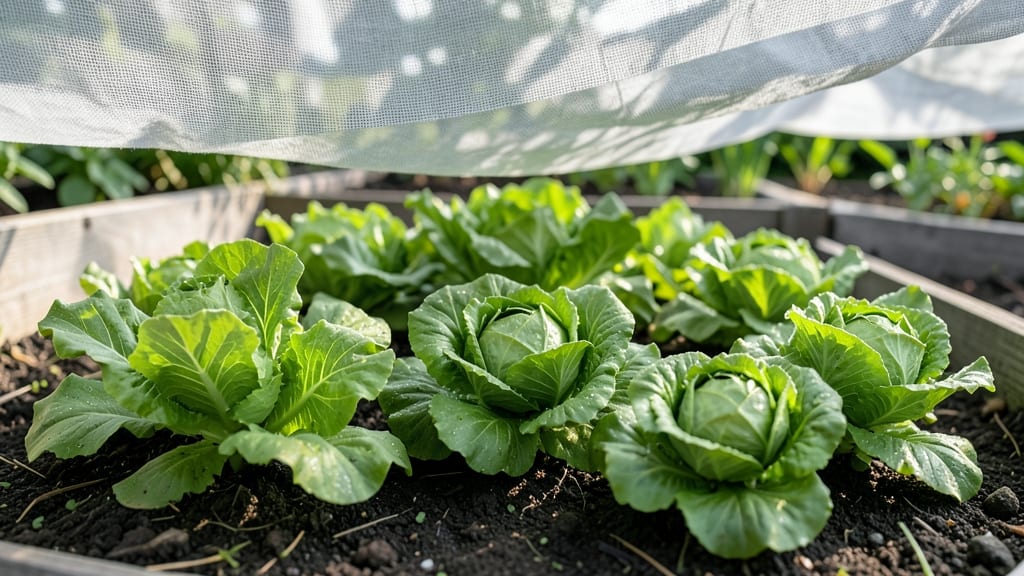
Does lettuce like shade, and if so, why does this leafy green thrive in less sunny spots—contrary to what many assume, these greens are surprisingly adaptable.
Picture this: you’ve got a cozy corner under a tree or a shady patio where nothing seems to grow, but you still want fresh, crisp lettuce. The good news?
Some varieties not only tolerate shade but actually prefer it, especially in hot climates where too much sun can turn leaves bitter or cause bolting.
In this guide, I’ll break down how much shade lettuce can handle, which varieties perform best in low-light conditions, and the simple tricks to keep your leaves tender and flavorful—no full-sun spot required.
You’ll learn the top 5 shade-friendly lettuce types, how to adjust your care routine for partial or full shade, and why a little strategic planting can mean the difference between wilted greens and a steady harvest of restaurant-quality leaves.
 Best Window Placement
How much shade can lettuce tolerate without sacrificing growth?
You might think lettuce needs full sun to thrive, but the truth is more flexible. Lettuce actually tolerates shade better than many gardeners realize, making it perfect for shady spots in your yard.
While it prefers 3-6 hours of sunlight, some varieties handle partial shade or even full shade surprisingly well—with the right care. Understanding these thresholds helps you grow crisp, flavorful lettuce even in dimmer corners.
The key lies in balancing light exposure with variety selection. Too little light can lead to leggy growth or bitter flavors, but the right type of shade—like dappled sunlight or filtered light under trees—can actually improve texture and sweetness.
Let’s break down what works and what doesn’t, so you can maximize your harvest without sacrificing quality.
| Lettuce Type | Sunlight Needs | Shade Tolerance | Growth Impact |
|---|---|---|---|
| Leaf Lettuce (e.g., Black Seeded Simpson) | 3-6 hours | Partial shade (30-50%) | Crisp leaves, minimal bitterness |
| Butterhead (e.g., Buttercrunch) | 4-6 hours | Partial shade (20-40%) | Softer texture, slower bolting |
| Romaine (e.g., Parris Island) | 5-6 hours | Partial shade (10-30%) | Taller growth, less flavorful |
| Oakleaf (e.g., Fordhook) | 3-5 hours | Full shade (50-70%) | Slower growth, sweeter taste |
| Looseleaf (e.g., Salad Bowl) | 4-6 hours | Partial shade (20-40%) | Fast growth, mild flavor |
As you can see, leaf lettuce and oakleaf varieties handle shade best, while romaine needs more light to avoid legginess. The 30-50% shade range is ideal for most types, but even full shade works if you choose the right variety.
For example, Black Seeded Simpson thrives under dappled sunlight, producing tender leaves with minimal bitterness.
However, pushing lettuce into full shade risks stunted growth or bolting (premature flowering). If your spot gets less than 3 hours of light, opt for shade-tolerant varieties like Oakleaf and supplement with grow lights or reflective surfaces to boost light exposure.
A simple trick is placing a white reflective tray under containers to bounce extra light onto the leaves.
Another critical factor is soil fertility. Shady spots often have cooler, denser soil, which can slow nutrient uptake. Amend your soil with compost or a balanced fertilizer (like 5-10-10) to ensure your lettuce gets the nutrients it needs.
I’ve found that adding a thin layer of mulch helps retain moisture and regulate soil temperature, which is especially helpful in partial shade.
Watch out for leggy growth, a common issue in low-light conditions. This happens when lettuce stretches toward any available light, resulting in weak stems and bitter leaves. To prevent this, thin seedlings properly and avoid overcrowding.
If your lettuce starts looking leggy, try pruning the top leaves to encourage bushier growth. This redirects energy to the lower leaves, keeping them crisp and tender.
Timing matters too. In hot climates, even shade-loving lettuce can bolt if stressed. Plant heat-tolerant varieties like Jericho or use shade cloth (30-50%) to filter intense sunlight. I’ve had great success growing lettuce under fruit trees where the canopy provides natural shade. The filtered
5 Best lettuce varieties that thrive in low-light conditions
If you’ve ever assumed lettuce needs full sun to thrive, I’ve got great news—it doesn’t! While most varieties love sunlight, some shade-tolerant lettuces actually prefer partial shade or even full shade to stay crisp and sweet.
These varieties are perfect for urban balconies, shady patios, or areas under dappled trees. Let’s dive into the top 5 lettuce varieties that will flourish in low-light conditions.
Before we explore the varieties, it’s important to note that lettuce’s shade tolerance varies. Some varieties handle 3-4 hours of sunlight daily, while others can thrive with just 2 hours or even indirect light.
The key is choosing the right type for your specific light conditions—whether it’s morning sun, afternoon shade, or filtered light.
Black Seeded Simpson is my go-to for low-light conditions. This heirloom variety thrives with just 3-4 hours of sunlight daily and produces deep green, crisp leaves. It’s also bolt-resistant, making it perfect for spring and fall planting. The flavor is mild and slightly sweet, and it’s great for cut-and-come-again harvesting.
Next up is Buttercrunch, a butterhead lettuce that does beautifully in partial shade. It prefers 4-5 hours of light but can handle dappled shade under trees. The leaves are tender, buttery, and slightly wrinkled, with a delicate, sweet flavor.
This variety is ideal for container gardening or small-space gardens where full sun isn’t an option.
Oakleaf lettuce is another fantastic choice for shady spots. Its ruffled, oak-shaped leaves add visual appeal to your garden, and it tolerates 3-4 hours of sunlight without bolting. The flavor is peppery and slightly bitter, which pairs well with creamy dressings. It’s also heat-tolerant, making it a great option for summer shade gardens.
For those with very limited sunlight, Arkansas Endurance is a heat- and shade-tolerant variety that thrives with just 2-3 hours of light. It’s a loose-leaf lettuce with crisp, dark green leaves and a mild, slightly sweet flavor.
This variety is slow to bolt, making it perfect for urban gardeners or those with shady balconies.
Lastly, Lollo Rossa is a stunning red lettuce that adds color and texture to shady gardens. It prefers 4-5 hours of light but can handle partial shade beautifully. The leaves are frilly, deep red, and crisp, with a mild, slightly peppery flavor.
It’s a cut-and-come-again variety, so you can harvest leaves as needed without sacrificing the plant.
To maximize success with these shade-loving lettuces, I recommend rich, well-draining soil and consistent watering. Avoid over-fertilizing, as too much nitrogen can lead to bitter leaves. With the right variety and care, you’ll enjoy crisp, flavorful lettuce all season long—even in the shade! 🌿