
Orchid Care
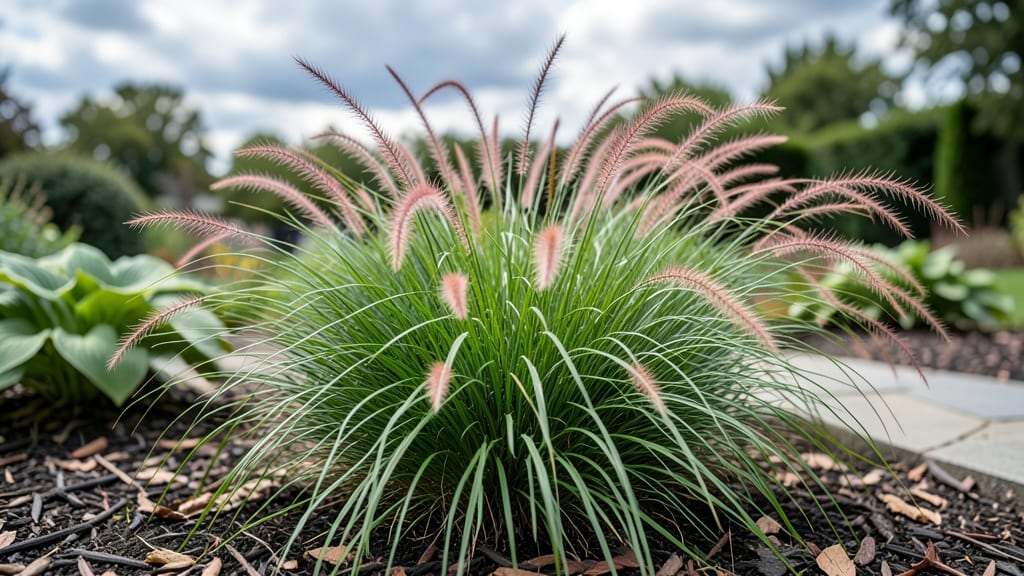
Your foxtail fern thrives in sun or shade 🌿, but getting the balance right is the secret to those signature feathery plumes staying lush and vibrant.
Struggling to keep your foxtail fern thriving? The battle between sun and shade might be the hidden factor stunting its growth—yet getting it right unlocks vibrant, year-round foliage.
Too much direct sun can scorch those delicate fronds, while too little light makes them sparse and weak. The key lies in understanding how much brightness your foxtail fern truly needs—whether indoors or out—and how to adjust care based on its environment.
In this guide, I’ll break down the ideal light conditions, regional tweaks for hot climates, and how to spot (and fix) common light-related issues like yellowing fronds or slow growth.
 Best Window Placement
Foxtail fern light requirements: sun vs shade breakdown for optimal growth
The foxtail fern (Asparagus densiflorus) thrives in a delicate balance of light—too much sun scorches its delicate fronds, while too little shade causes leggy, sparse growth. Understanding its light spectrum needs is the key to unlocking those signature feathery plumes year-round.
Unlike sun-loving succulents, this plant prefers bright indirect light, making it perfect for east-facing windows or partially shaded garden spots.
In my own garden, I’ve seen foxtail ferns transform from lackluster to lush simply by adjusting their light exposure. The secret lies in mimicking their natural habitat—dappled forest understory where sunlight filters through canopy leaves.
This means avoiding harsh midday sun while ensuring enough light for photosynthesis. Let’s break down the science and practical tips to get your foxtail fern glowing.
| Condition | Sun Exposure | Shade Exposure | Ideal Scenario |
|---|---|---|---|
| Light Intensity | Direct sun (6+ hours) | <50% shade | Bright indirect light (4-6 hours) |
| Best Locations | South-facing windows | North-facing windows | East or west-facing windows |
| Seasonal Adjustments | Move indoors in summer | Gradual shade increase | Rotate plant quarterly |
| Signs of Stress | Brown tips, crispy fronds | Leggy growth, pale fronds | Vibrant green fronds |
| Growth Impact | Stunted, dry fronds | Slow, sparse growth | 3x faster frond production |
Your foxtail fern’s light needs change with the seasons. During spring and fall, it can handle 3-4 hours of morning sun without issue, but summer’s intense rays demand protection.
I’ve found that placing mine under a sheer curtain or moving it to a dappled shade spot in the garden prevents leaf scorch while still allowing enough light for photosynthesis. In winter, when sunlight is weaker, you can gradually increase light exposure to encourage new growth.
One common mistake I see is assuming all shade is equal. Deep shade (like under a dense tree canopy) can lead to etoliation—those sad, stretched-out stems reaching desperately for light. The goal is filtered light, not darkness.
If your foxtail fern starts looking leggy, it’s time to move it closer to a light source or supplement with a grow light for 12-14 hours daily during winter months.
Outdoors, the best spots are east-facing patios or partial shade gardens where it gets morning sun and afternoon shade. If you’re growing in containers, ensure the pot has drainage holes—waterlogged roots from poor drainage combined with too much shade will quickly kill your plant.
I’ve had success using terracotta pots because they dry out faster, which helps prevent root rot in shadier conditions.
Watch for these telltale signs of light stress: yellowing fronds often mean too much sun, while brown tips can indicate underwatering in bright light. On the flip side, pale green or yellow fronds with sparse growth signal insufficient light.
The key is to observe your plant’s response and adjust gradually—never shock it with sudden changes. For example, if you move a foxtail fern from deep shade to full sun, do it over a week to harden it off.
Pro tip: Rotate your plant quarterly to ensure even growth. Foxtail ferns naturally grow toward the light, so one side can become bare if left unchecked. I set a reminder on my phone to turn my pots 90 degrees every 3 months, and the difference in frond density is noticeable.
This simple habit prevents lopsided growth and keeps your plant looking full and healthy.
For indoor growers, LED grow lights are a game-changer. A full-spectrum bulb placed 12-18 inches above the plant mimics natural light and can extend the growing season. I use a 10-watt LED for 6 hours daily in winter, and my foxtail ferns stay vibrant without the risk of sunburn.
Just avoid placing the light too close—heat stress is just as damaging as too little light.
Remember, every home’s light conditions are unique. Test different spots by moving your foxtail fern around for a week in each location. Keep a journal noting how the fronds respond—this personalized approach will help you find the perfect balance.
With the right light, your foxtail fern will reward you with year-round lushness and those coveted feathery pl
How to adapt foxtail fern care for sun or shade conditions
Your foxtail fern thrives on flexibility, but its care routine changes dramatically between sun and shade conditions. In bright indirect light, it demands more frequent watering and higher humidity, while low-light spots slow its growth and reduce frond density.
The key lies in adjusting watering frequency, fertilizer schedules, and even humidity levels to match its environment.
If you've noticed yellowing fronds or stunted growth, your plant might be struggling with light stress. This happens when foxtail ferns receive too much direct sun (burning the tips) or too little light (limiting photosynthesis).
The good news? With a few simple adjustments, you can revive your plant and keep it lush year-round.
⚠️ ⚠️ WARNING: Sudden Light Changes Can Shock Your Foxtail Fern ⚠️
Start by adjusting your watering schedule based on light exposure. In sunny conditions, water your foxtail fern every 5-7 days—the heat increases evaporation, so the soil dries faster. Use your finger to check the top 1-2 inches of soil; if it's dry, it's time to water.
In shady spots, reduce watering to every 10-14 days, as the soil retains moisture longer.
Humidity becomes critical in sunny environments. Foxtail ferns love humidity levels between 40-60%, but direct sun can dry out the air around them. Place a pebble tray under the pot or use a humidifier nearby to mimic their natural tropical habitat.
For indoor plants in low-light areas, a mist spray bottle 2-3 times weekly keeps fronds vibrant and prevents browning tips.
Fertilizer needs also shift with light. In bright indirect light, feed your foxtail fern with a balanced 10-10-10 fertilizer every 4-6 weeks during spring and summer. Reduce this to every 8-12 weeks in shady conditions, as the plant grows slower and requires fewer nutrients.
Always water thoroughly before and after fertilizing to prevent root burn.
To transition your foxtail fern between sun and shade, start by placing it in a partially shaded spot for half a day. Gradually increase exposure over a week if moving to sun, or reduce light slowly if shifting indoors.
Monitor the fronds for signs of stress—wilting or yellowing means it's adjusting too quickly. Patience pays off: a well-acclimated foxtail fern will reward you with dense, arching fronds year-round.