
Light Requirements
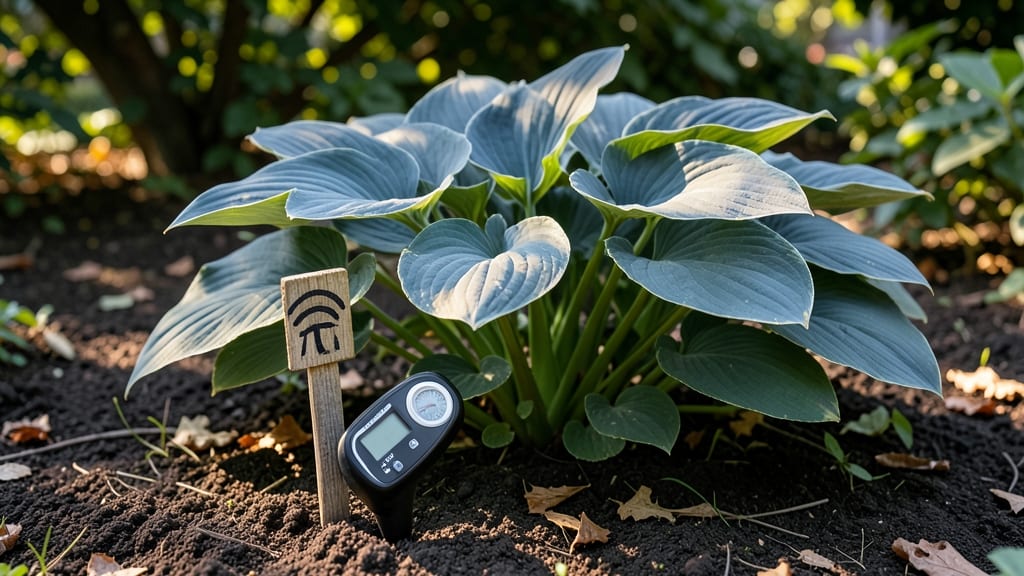
Understanding partial shade isn't just about counting hours—it's about the quality of light your plants receive. 🌿 The 3-6 hour range works because it mimics natural forest conditions where dappled sunlight filters through leaves.
For example, a morning sun exposure of 4 hours followed by afternoon shade creates the perfect balance for plants like heuchera or astilbe. What's fascinating is how this range prevents stress: too much sun causes bleaching, while too little stunts growth.
Even container plants need this balance, so rotating them occasionally ensures even light distribution across their leaves.
Pro tip: Observe your garden's light patterns throughout the day. A spot that gets harsh afternoon sun might qualify as partial shade in spring but become full sun in summer. This seasonal shift explains why some plants thrive one year but struggle the next.
The key is matching your plants' native light preferences—moisture-lovers like hostas prefer the cooler, indirect light of partial shade, while sun-tolerant varieties can handle brief direct exposure.
💡 In This Article
- How Sunlight Hours Define Partial Shade Categories
- Best Plants for 3-6 Hours of Sun Exposure
How sunlight hours define partial shade categories
Partial shade isn't just about counting hours—it's about understanding how sunlight intensity changes throughout the day. The 3-6 hour range works because morning and late afternoon sun are less intense than midday rays, with UV levels dropping by 30-50% during those times.
This gentler light prevents leaf scorch while still allowing photosynthesis. For example, a plant receiving 4 hours of morning sun (7:00 AM - 11:00 AM) gets 25-30% less UV exposure than if those same hours were midday (11:00 AM - 3:00 PM). 🌞
The angle of sunlight matters more than you might think. In spring and fall, when the sun sits lower in the sky, even 6 hours of direct exposure may feel like partial shade because the light spreads out over a larger area.
But by summer, those same hours become more concentrated, potentially turning a partial shade spot into full sun. This seasonal shift explains why some plants thrive in one season but struggle in another.
The key is matching your garden's light patterns to your plants' native conditions—many woodland plants evolved under 3-4 hours of filtered sunlight with dappled light the rest of the day.
Leaf exposure plays a critical role in photosynthesis efficiency. Plants in partial shade develop larger, thinner leaves to maximize light capture from the available 10-20% less intense sunlight compared to full sun.
For instance, hostas grow broader leaves in partial shade than they would in full sun, where they'd need smaller, thicker leaves to prevent water loss.
This adaptation is why partial shade plants often look lush and vibrant—they're not stressed by intense light but still getting enough energy to grow. 🌿 The 3-6 hour window gives them that perfect balance.
What most gardeners overlook is how nearby structures affect light quality. A tall building might block harsh afternoon sun but still allow morning light to filter through, creating natural partial shade.
Similarly, deciduous trees provide partial shade in summer (when leaves are full) but full sun in winter (when leaves have fallen). This dynamic light environment is why many partial shade plants thrive in these conditions—they're adapted to changing light intensities throughout the year.
Understanding these patterns helps you create microclimates in your garden where delicate plants can flourish.
Consider this practical example: A spot that gets 5 hours of morning sun (6:00 AM - 11:00 AM) followed by 3 hours of dappled shade (11:00 AM - 2:00 PM) from a nearby tree qualifies as partial shade.
The dappled light creates moving shadows that reduce leaf temperature by 5-10°F compared to full sun, preventing heat stress. This is why plants like heuchera or astilbe thrive in such conditions—they get enough light for photosynthesis without the risk of scorching.
The 3-6 hour guideline becomes a flexible range when you account for these natural light variations.
For container gardeners, this means paying attention to how your pots cast shadows. A large container can block light from reaching nearby plants, creating unintentional partial shade. Rotating containers every few weeks ensures even light distribution, which is especially important for plants like impatiens that need consistent partial shade.
The science here is simple: plants grow toward the light, so uneven exposure leads to lopsided growth or stressed foliage. By understanding how sunlight hours translate to light intensity and quality, you can create the perfect growing conditions for your shade-loving plants. ✨