
Companion Plants
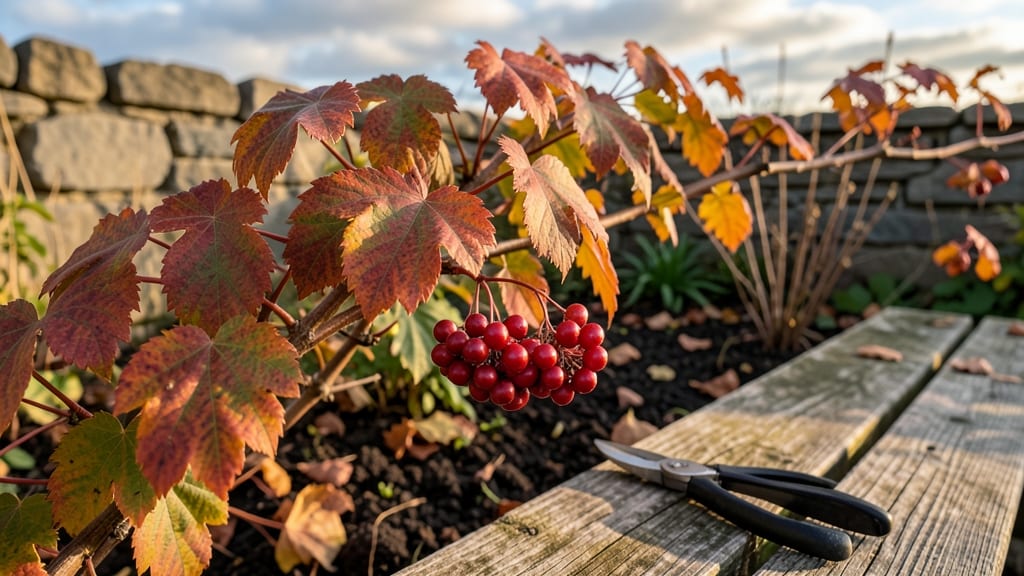
Learning how to identify nightshade plants is key—your garden’s tomatoes, peppers, and potatoes could be hiding toxic look-alikes like deadly nightshade in the shadows. 🌿 Knowing the difference starts with leaf shape, stem texture, and those tiny hairs you might miss at first glance.
First, check the leaves: most edible nightshades have smooth or slightly hairy edges with a deep vein pattern. Deadly nightshade, though, sports glossy leaves with a more oval shape and a distinct bellflower bloom—never eat anything resembling those berries.
Stem hairs are another giveaway: edible varieties often have fine, soft hairs, while toxic look-alikes can feel almost fuzzy.
You’ll quickly spot the difference when you compare a tomato plant’s broad, jagged leaves to a deadly nightshade’s narrower, pointed ones. Flowers are another clue: edible nightshades usually have white, purple, or yellow blooms, while toxic varieties often feature dark purple or black flowers.
Keep a field guide handy—it’s your best friend for tricky ID moments.
For peace of mind, use a plant ID app to double-check before harvesting. Safety first: if you’re unsure, assume it’s toxic until proven otherwise. Once you master these clues, you’ll confidently tell friend from foe in your garden—and beyond.
📚 In This Guide
- What you need
- Instructions
- Tips and common mistakes
- Wrapping up and next steps
What you need
- ● Hand lens or magnifying glass (3x–10x magnification) – For inspecting fine details like stem hairs or leaf texture.
- ● Field guide or plant ID app (e.g., iNaturalist, PictureThis, or a regional nightshade field guide) – Cross-reference your findings with trusted sources.
- ● Notebook & pen – Jot down notes on leaf shape, hairiness, and plant height to compare later.
- ○ Gloves (optional but recommended) – Some nightshades (like deadly nightshade) can irritate skin or cause allergic reactions.
- ● Pruning shears or small knife – For safely collecting small stem/leaf samples (if needed for closer inspection).
- ● Camera or smartphone – Capture clear photos of leaves, stems, and flowers from multiple angles (front, back, and close-ups).
- ● Ruler or measuring tape – Note leaf length/width to distinguish between similar-looking species (e.g., potato vs. tomato leaves).
- ● UV flashlight – Some nightshades (like henbane) fluoresce under UV light, making identification easier.
- ● Plastic bags or press board – Preserve leaf samples for later comparison if you’re unsure.
- ● GPS or mapping app – Record the plant’s location if you’re exploring wild nightshades (e.g., jimsonweed).
- ● Safety goggles – Wear if handling toxic nightshades like belladonna or black nightshade.
How to identify nightshade plants: leaf shape and stem hair clues
Nightshades aren’t just tomatoes and peppers—they include both edible and toxic lookalikes. Here’s how to tell them apart using key botanical traits.
🌿 Step 1: Examine Leaf Arrangement and Shape
Nightshades typically have leaves arranged alternately along the stem (not opposite each other). Look for deeply lobed or serrated edges—common in deadly nightshade (Atropa belladonna) and poison hemlock (Conium maculatum). Tomato and pepper leaves, by contrast, are usually smooth-edged and slightly hairy.
Hold a leaf up to light. If you see prominent veins radiating from the center (palmate venation), it’s likely a nightshade. Compare it to known edible plants: potato leaves are broader with a rough texture, while eggplant leaves are more oval and less jagged.
🌱 Step 2: Check Stem Texture and Hairiness
Run your fingers along the stem. Nightshade stems often feel slightly fuzzy or hairy, especially near the leaves. Deadly nightshade stems are glossy and smooth, but younger growth may have fine hairs. Poison hemlock stems are hollow and purple-speckled—a dead giveaway.
Break a stem if possible. If it releases a foul, parsnip-like odor, it’s likely poison hemlock. Edible nightshades (like tomatoes) have no distinct scent when crushed. This is a critical difference—never rely on smell alone, but it’s a useful backup.
☀️ Step 3: Observe Flower and Fruit Structure
Nightshade flowers grow in clusters and often have five petals with star-shaped symmetry. Deadly nightshade blooms are bell-shaped and purple, while tomato flowers are yellow and flat. If you see white or purple flowers in clusters, assume caution until confirmed.
Fruits are another clue. Edible nightshades (tomatoes, peppers) have smooth, fleshy fruits. Toxic nightshades like deadly nightshade produce small, shiny black berries. If you’re unsure, cover the plant with a mesh bag until identification is confirmed—many toxic nightshades are deadly if ingested.
✂️ Step 4: Cross-Reference with Known Specimens
Compare your plant to a trusted field guide or app (like iNaturalist). Take photos of leaves, stems, flowers, and fruit—all are needed for accurate ID. Nightshades vary wildly in appearance, so relying on one trait (like leaf shape) can lead to mistakes.
If you’re gardening, label new plants immediately. Many toxic nightshades (like bittersweet nightshade) mimic edible vines. When in doubt, consult a local extension office or botanist—misidentification can have serious consequences.
Tips & tricks for identifying nightshade plants with confidence
Nightshade identification can be tricky, but these practical tips will help you avoid costly mistakes and dangerous lookalikes.
Leaf Comparison Technique: In Step 1, when examining leaf arrangement, bring a known edible nightshade reference (like a tomato plant) with you. Hold both leaves side by side against a white background—differences in vein patterns and edge texture become immediately obvious. I've found that using a magnifying glass for close inspection reveals fine hair differences that distinguish safe plants from toxic lookalikes.
Scent Test Safety: When testing stems in Step 2, never crush leaves or stems directly in your hands—always use a small cutting board or paper towel as a barrier. The foul odor from poison hemlock can linger on skin for hours, and some toxic compounds can be absorbed through cuts. I learned this the hard way after misidentifying a plant in my garden last spring.
Seasonal Considerations: Remember that plant characteristics change with seasons. In Step 3, when examining flowers, note that some toxic nightshades like deadly nightshade may not bloom until late summer. If you're identifying plants in early spring, focus more on leaf and stem characteristics rather than relying on flower structure. I've seen many gardeners make mistakes by assuming a plant's safety based solely on spring foliage.
Photographic Documentation: For Step 4 cross-referencing, always photograph plants from multiple angles (top, side, and close-up of leaves, stems, and any flowers/fruit). Use natural light and include a reference object (like a coin) for scale. I keep a dedicated plant ID album on my phone with labeled photos of all my garden plants—this has saved me from multiple near-misses with lookalike species.
Pro Tips for Identify Nightshade Plants
- Nightshade identification can be tricky, but these practical tips will help you avoid costly mistakes and dangerous lookalikes.
- Leaf Comparison Technique: In Step 1, when examining leaf arrangement, bring a known edible nightshade reference (like a tomato plant) with you.
- Scent Test Safety: When testing stems in Step 2, never crush leaves or stems directly in your hands—always use a small cutting board or paper towel as a barrier.
Frequently asked questions
about identifying nightshade plants—your quick-reference guide!What are the most common nightshade plants I should watch for?
Nightshades include deadly nightshade (Atropa belladonna), jimsonweed (Datura stramonium), bittersweet nightshade (Solanum dulcamara), and black nightshade (Solanum nigrum). Even edible nightshades like tomatoes, potatoes, and peppers belong to this family—so always double-check before consuming wild plants!
When is the best time of year to identify nightshade plants?
The best time to spot nightshades is during their growing season (spring to early fall), when leaves and stems are fully developed. Look for hairy stems and distinctive leaf shapes (e.g., jagged edges, lobed patterns) before flowers or berries appear. Avoid mistaking them for harmless lookalikes!
What should I do if I accidentally ingest a toxic nightshade?
If you suspect poisoning (symptoms: dizziness, nausea, dilated pupils), call Poison Control (1-800-222-1222) immediately. Avoid inducing vomiting unless instructed. Keep plant samples for ID, but do not delay medical help—some nightshades can be fatal.
Are there any non-toxic plants that look like nightshades?
Yes! Ground cherries (Physalis) and wild grapes (Vitis) can resemble nightshades. Compare leaf structures: nightshades often have hairy stems and smooth, waxy leaves, while safe plants may have fuzzy textures or different vein patterns. When in doubt, use a field guide or app.
How can I confirm a plant is a nightshade without damaging it?
Use a magnifying glass to inspect stems for hairs and leaves for uneven edges. Snap a photo and compare it to a nightshade database (like iNaturalist). Avoid touching berries—many are toxic until fully ripe (and even then, some remain dangerous).
Wrapping up and next steps
Identifying nightshade plants—whether for gardening, foraging, or safety—boils down to paying attention to leaf shape, stem texture, and hair patterns. With these clues, you can confidently distinguish them from look-alikes and make informed decisions. 🌿
Now that you’re equipped with the know-how, take the next step: explore your garden or local green spaces with a fresh perspective! Snap photos of unfamiliar plants, compare them to your newfound knowledge, and even document your findings. Happy plant detective work awaits! 🕵️♂️