
Orchid Care
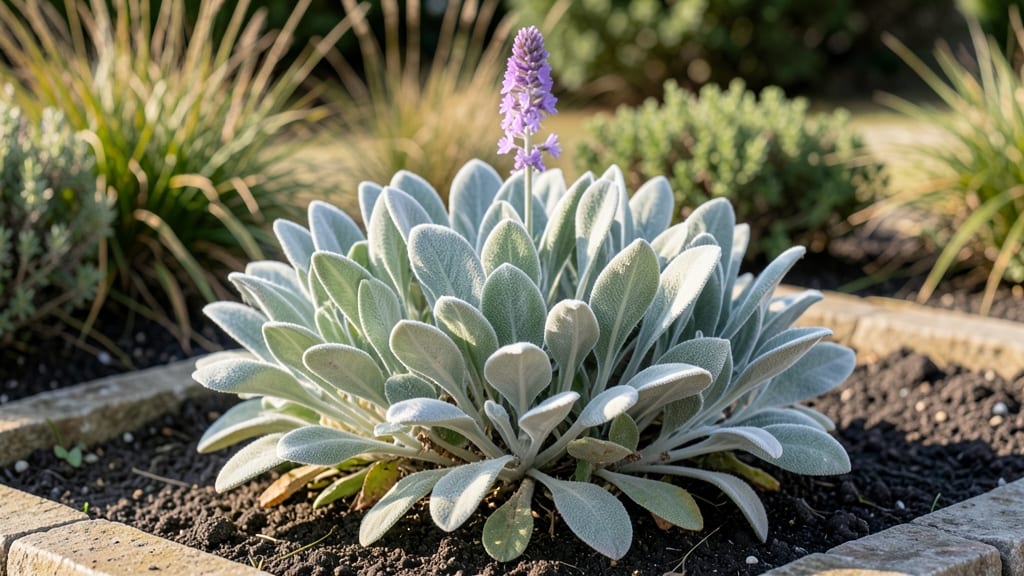
Lamb's Ear thrives in sun or shade, but the secret to its velvety texture lies in balancing light and soil pH—something most gardeners overlook.
Picture this: your Lamb’s Ear 🌿 (Stachys byzantina) starts as a fuzzy dream but soon turns crispy or leggy, no matter how much you water it.
That’s your plant screaming for the right conditions—and it’s not just about sunlight. The soil’s pH plays a surprisingly big role in keeping those leaves soft and vibrant.
In cooler climates like USDA Zone 6, Lamb’s Ear can handle full sun, but in hotter areas, it craves morning sun and afternoon shade. The key?
A well-draining, slightly alkaline soil (pH 6.0–7.0) that mimics its native rocky slopes. Skip the heavy clay or acidic mix, and you’ll see the difference in weeks.
Below, I’ll break down the exact light and soil combo for lush growth, plus how to fix common mistakes—because even the fluffiest plants need a little TLC.
 Best Window Placement
Optimal sunlight conditions for lamb’s Ear: full sun vs. partial shade
If you’ve ever watched your Lamb’s Ear (Stachys byzantina) leaves lose their signature velvety texture, you’re likely dealing with a sunlight mismatch. This hardy perennial thrives in a delicate balance between full sun and partial shade, but the ideal mix depends on your climate zone and microclimate.
Too much sun can scorch those silvery leaves, while too little shade leads to leggy, sparse growth. Let’s break down how to give your Lamb’s Ear the perfect light conditions for that plush, healthy look.
The key to growing lush Lamb’s Ear lies in understanding its native habitat. In its Mediterranean origins, this plant enjoys bright light with afternoon shade to protect it from intense heat.
Recreating this balance in your garden means observing your plants’ daily sunlight patterns and adjusting their placement as seasons shift. For example, a south-facing garden in USDA Zone 7 may require afternoon shade, while a north-facing bed in Zone 5 might need supplemental light to prevent legginess.
Here’s how to identify the perfect spot for your Lamb’s Ear using a simple sunlight audit. Start by marking your garden’s sunniest and shadiest areas with stakes or flags. Observe how sunlight moves across your space throughout the day—especially during the peak summer months when UV intensity is highest.
A 6-hour sun window with 2-4 hours of direct afternoon shade is ideal for most regions, but cooler climates (like Pacific Northwest) can handle more sun.
Now, let’s compare the sunlight needs of Lamb’s Ear across different climates. The table below breaks down the ideal light exposure, signs of stress, and adjustments you can make to keep your plants thriving.
| Climate Zone | Ideal Sunlight | Signs of Too Much Sun | Signs of Too Little Sun | Adjustments |
|---|---|---|---|---|
| Hot/Dry (Zones 7-10) | Morning sun, afternoon shade | Brown, crispy leaf edges | Leggy stems, pale leaves | Use shade cloth (30-50%) |
| Temperate (Zones 4-6) | Full sun to partial shade | Yellowing leaves | Slow growth, weak stems | Rotate pots for even light |
| Cool/Humid (Zones 3-5) | Partial shade to filtered light | Fungal spots on leaves | Stunted, compact growth | Add reflective mulch |
In hot, arid climates like Zone 9 or 10, Lamb’s Ear can suffer from heat stress even with partial shade. If you notice brown patches or wilted leaves by midday, consider moving your plants to a north-facing container or installing a 30% shade cloth.
For cooler regions, like the Pacific Northwest, these plants can handle full sun as long as the soil stays well-draining to prevent root rot.
One of the most common mistakes I see is assuming “partial shade” means deep, dark shade. Lamb’s Ear actually prefers dappled or filtered light, like what you’d find under light tree canopies or near lattice structures.
If your garden lacks natural shade, try placing your plants near a tall shrub or using a white lattice screen to diffuse harsh sunlight. This mimics their natural growing conditions and keeps those leaves looking soft and silvery.
Watch for early warning signs of sunlight stress. Brown, papery edges on leaves indicate too much sun, while yellowing or pale foliage suggests insufficient light. If your Lamb’s Ear starts looking leggy or sparse, it’s time to adjust its position.
In containers, rotate the pot quarter-turns every few weeks to ensure even light exposure on all sides. For in-ground plants, consider transplanting to a sunnier or shadier spot depending on the season.
For container gardening, choose pots with light-colored surfaces to reflect excess heat. Terracotta or glazed ceramic containers help regulate soil temperature, which is especially important in full-sun locations.
If you’re growing Lamb’s Ear in urban environments with limited space, place it near east-facing windows where it can receive gentle morning sunlight without the intensity of afternoon rays.
Remember, Lamb’s Ear is a low-maintenance plant, but its light requirements are the foundation of its health. By observing your plants, adjusting their placement, and providing the right balance of sun and shade, you’ll reward yourself with velvety, vibrant foliage all season long.
Experiment with different spots in your garden—your Lamb’s Ear will thank you with lush, silvery-green leaves that turn heads in any landscape.
Soil pH requirements for healthy lamb’s Ear growth: the hidden factor
Your Lamb’s Ear (Stachys byzantina) might be struggling even if you’re giving it the right amount of sun or shade. The real secret often lies in your soil pH.
This fuzzy-textured plant thrives when soil pH falls between 6.0 and 7.0, a range that unlocks vibrant foliage and robust growth. When pH strays too acidic (<6.0) or alkaline (>7.0), nutrient absorption falters, leading to weak plants prone to disease.
I’ve seen Lamb’s Ear plants with stunning silver-gray leaves turn dull and yellow simply because their soil was too alkaline. The good news? Adjusting pH is easier than you think.
Start by testing your soil’s current pH level—this simple step reveals whether your plants are starving for nutrients or drowning in imbalance. Once you know your baseline, you can amend the soil with organic matter or lime to restore the perfect balance.
Why pH matters: At the ideal 6.0–7.0 range, Lamb’s Ear can absorb essential nutrients like nitrogen, phosphorus, and potassium efficiently. Outside this range, even well-fertilized soil becomes ineffective. For example, iron deficiency (common in alkaline soil) causes yellowing leaves, while magnesium deficiency (common in acidic soil) leads to brown patches. Both issues can be prevented with proper pH management.
| Factor | Ideal Range | Signs of Imbalance | Solution |
|---|---|---|---|
| Soil pH | 6.0–7.0 | Yellow leaves, stunted growth | Add lime (alkaline) or sulfur (acidic) |
| Nutrient Absorption | Optimal at 6.0–7.0 | Brown leaf edges, weak stems | Test soil, amend with compost |
| Disease Resistance | Peaks at 6.5 | Powdery mildew, leaf spots | Improve drainage, avoid wet foliage |
| Color Vibrancy | Enhanced at 6.0–7.0 | Dull, faded leaves | Add organic matter, mulch regularly |
Testing your soil’s pH is simpler than you’d think. Grab a DIY pH test kit (available at garden centers for under $10) or use a vinegar-and-baking-soda test at home. For the vinegar test, mix equal parts soil and water, then add vinegar—fizzing indicates alkaline soil.
For the baking soda test, add baking soda to soil; bubbling suggests acidic soil. If your results show imbalance, don’t panic! Amending soil is as easy as mixing in compost (to lower pH) or pelletized lime (to raise pH).
To maintain the ideal 6.0–7.0 pH year-round, mulch around your Lamb’s Ear plants with organic matter like shredded leaves or straw. This not only regulates pH but also retains moisture and suppresses weeds.
Every 3–4 months, retest your soil, especially after heavy rains or if you’ve added amendments. Rainwater can leach nutrients, while amendments like compost gradually alter pH over time, so consistency is key.
Remember, Lamb’s Ear is a resilient plant, but it rewards careful attention to soil health. By keeping your soil pH in the 6.0–7.0 range, you’ll see richer colors, stronger stems, and fewer pests.
Once you master this hidden factor, your plants will thrive whether they’re basking in morning sun or lounging in partial shade.