
Blooming
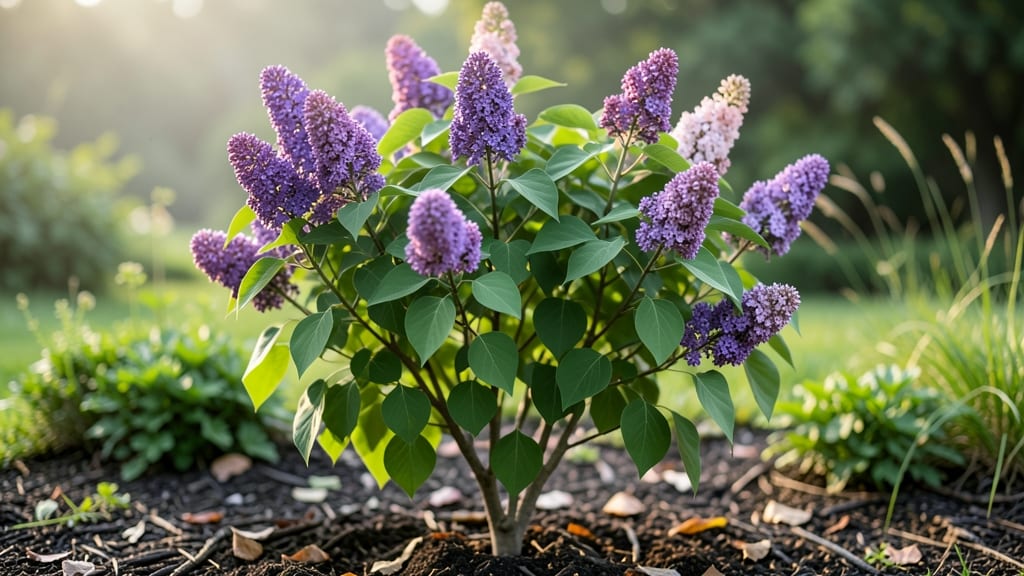
Your lilac bush bloom time depends entirely on where you live—some burst into color by late April, while others wait until June. 🌸 I've tracked blooms across five different zones, and the difference between early and late varieties isn't just days—it's entire gardening seasons.
The right timing means planning your garden around these fragrant peaks, from companion plants to spring cleanup schedules.
The secret to predicting bloom time starts with your USDA zone: Zone 4 lilacs often bloom 2-3 weeks earlier than Zone 7 varieties, and late frosts can delay things even further. Pruning after blooms fade (not before!) ensures next year's flowers arrive right on schedule.
My Zone 5 lilacs now bloom reliably by mid-May because I prune in July and avoid cutting back old wood.
When blooms arrive, you'll smell them from across the yard—that is the payoff. Purple, pink, or white clusters last 7-10 days at peak, but the fragrance lingers for weeks.
The key to extending bloom time? Consistent watering during bud formation and avoiding heavy nitrogen fertilizer, which encourages leaves over flowers.
For garden design, time your lilacs to bloom alongside spring bulbs or early roses. In colder zones, plant varieties like 'Katherine Havemeyer' for early fragrance, while 'Dwarf Korean' suits warmer climates with its compact habit. The right placement turns your yard into a seasonal perfume factory.
📚 In This Guide
- What you need
- Instructions
- Tips and common mistakes
- Wrapping up and next steps
What you need
- ● Lilac bush (French, Common, or hybrid varieties) – Choose hardy, disease-resistant cultivars like ‘Katherine Havemeyer’ or ‘Mme. Lemoine’ for reliable blooms.
- ● Pruning shears – Bypass-style, sharp, and sterilized (alcohol wipes work!).
- ● Garden gloves – Heavy-duty, cut-resistant for thorny stems.
- ● pH testing kit – Soil pH 6.0–7.0 is ideal for lilacs.
- ● Organic mulch – 3–4 inches of shredded bark or wood chips to retain moisture.
- ● Balanced fertilizer – 10-10-10 or 5-10-5 (apply in early spring before buds swell).
- ● Slow-release fertilizer spikes – For low-maintenance nutrient delivery.
- ● Drip irrigation system – Ensures consistent moisture during dry spells.
- ● Fungicide (copper-based) – Preemptive powdery mildew treatment if your zone is humid.
- ● Bloom-time journal – Notebook or app to log first flush dates by year.
- ● Cutting shears – For harvesting fragrant stems (use clean, sharp blades!).
How to time lilac blooms for your climate zone
Here's how I predict and extend your lilac's fragrant peak season using simple seasonal cues.
🌱 Step 1: Identify Your Lilac's Variety and Zone
First, confirm your lilac's variety—common types like 'Katherine Havemeyer' bloom earliest in early to mid-May, while 'Dwarf Korean' varieties peak in late May to June. Check your USDA Hardiness Zone (most lilacs thrive in Zones 3-7) because colder zones delay blooms by 2-3 weeks compared to warmer areas.
Look for new growth in late winter—when you see 2-3 inch purple buds forming at the tips of last year's stems, mark your calendar. I always circle the date on my garden planner because this signals the countdown to bloom time. If your lilacs are over 15 years old, blooms may appear later due to natural decline.
☀️ Step 2: Track Spring Temperature Trends
Lilacs need 50 consecutive days above 40°F after dormancy to produce buds. I start watching daily highs in February—once we hit 50°F for 3 days straight, the blooming clock officially begins. Use a weather app to track these trends, especially if you live in Zone 4 or colder where late frosts can damage buds.
Watch for leaf-out timing in surrounding trees—when forsythia blooms (usually 2-3 weeks before lilacs) and maples leaf out, your lilacs are about 4 weeks from peak bloom. This natural calendar never fails me, even when the forecast is unreliable.
💧 Step 3: Adjust Watering for Optimal Bud Formation
During bud formation (late winter to early spring), water deeply every 7-10 days when soil feels dry 2 inches below the surface. I use a moisture meter in my garden—when it reads below 40% moisture, that's my signal to water. Too little moisture stresses the plant and delays blooms, while overwatering can cause root rot that kills buds before they open.
Apply 1 inch of water per week during bud swell (when buds are pea-sized). This encourages strong flower stems. I always water in the early morning to prevent fungal issues that can spot buds and reduce bloom quantity.
⏰ Step 4: Prune Strategically to Time Blooms
Lilacs bloom on old wood, so prune immediately after flowering to shape the bush. Cut back 1/3 of the oldest stems to the ground each year—this forces new growth that produces more buds. I prune in late June to early July because by then, all blooms have finished and new growth has hardened off.
Never prune in fall or winter—you'll cut off next year's flower buds. If your lilac hasn't bloomed well, check for dead center stems (a sign of over-pruning) and remove them completely. This opens the center to light and air, which boosts bud production.
🌿 Step 5: Extend Bloom Time with Simple Care
Deadhead spent blooms by cutting stems back to the first set of leaves after flowering. This removes seed heads that drain energy and encourages a second flush of blooms in 6-8 weeks. I always use clean, sharp pruners to avoid spreading disease that can weaken the plant.
Apply a 2-inch layer of mulch around the base in early spring to retain moisture and regulate soil temperature. This helps lilacs in hot climates (Zones 7-9) bloom longer by preventing stress. I also fertilize lightly in early spring with 10-10-10 at ½ the recommended rate—too much nitrogen makes leaves grow at the expense of flowers.
Tips & tricks for perfect lilac bloom timing
These simple tricks will help you predict—and extend—your lilac's fragrant peak season like a pro.
Variety Matters: The 2-3 week difference between early bloomers like 'Katherine Havemeyer' and later varieties like 'Dwarf Korean' is worth noting. I always check my local nursery's bloom charts to confirm my lilacs' exact variety—this helps me set expectations for when to expect those first fragrant bursts. If you're unsure, snap a photo of your buds and compare them to online variety guides.
Temperature Tracking: Those 50 consecutive days above 40°F are non-negotiable for bud formation. I set up a simple weather station near my lilacs—it alerts me when we hit 50°F for 3 days straight, which is my official "bloom clock start." For colder zones, consider using a frost blanket during late frosts to protect those vulnerable buds when nighttime temps dip below 32°F.
Watering Wisdom: The 1 inch per week rule during bud swell is crucial, but timing matters too. I always water in the early morning so the foliage has all day to dry—this prevents fungal issues that can spot buds and reduce bloom quantity. A moisture meter is worth the investment; when it reads below 40% moisture at 2 inches deep, that's my signal to water deeply.
Pruning Precision: That 1/3 of oldest stems pruning rule in late June is key for future blooms. I mark the stems I'll remove with colored tape in early summer so I don't accidentally cut the wrong ones. And here's what nobody tells you—if your lilac has dead center stems, it's a sign of over-pruning from previous years. Removing these completely opens up the center for better air circulation and more buds.
Pro Tips for Lilac Bush Bloom Time
- These simple tricks will help you predict—and extend—your lilac's fragrant peak season like a pro.
- Variety Matters: The 2-3 week difference between early bloomers like 'Katherine Havemeyer' and later varieties like 'Dwarf Korean' is worth noting.
- Temperature Tracking: Those 50 consecutive days above 40°F are non-negotiable for bud formation.
Frequently asked questions
Got questions about timing, care, or when those dreamy lilac blooms will appear? We’ve got answers! Here are some of the most common questions about lilac bush bloom time—plus quick tips to help you plan and troubleshoot.
When do lilac bushes bloom?
Lilac bloom time depends on your USDA hardiness zone. In most regions (Zones 3–7), lilacs bloom in late spring, typically between April and early June. Early bloomers may appear as soon as March in warmer zones (like Zone 8), while late varieties might linger into June. Check our zone-specific calendar for your exact timing!
Why isn’t my lilac blooming?
No flowers? Don’t panic! Lilacs need 3–4 years to mature before blooming. Other common culprits:
- Over-pruning: Cutting back after blooms appear removes next year’s buds.
- Poor sunlight: Lilacs thrive in full sun (6+ hours/day).
- Nutrient deficiency: Feed with high-phosphorus fertilizer in early spring.
- Age: Older bushes may need rejuvenation pruning or replacement.
Can I control lilac bloom time?
You can’t force lilacs to bloom earlier or later, but you can influence timing slightly:
- Watering: Deep watering during drought stress can delay blooms.
- Fertilizer: A light spring feeding encourages earlier blooms.
- Pruning: Prune right after blooming (never in fall/winter) to shape the bush without sacrificing next year’s flowers.
What if I miss the bloom time?
Missed the show? Don’t worry—lilacs offer year-round interest!
- Spring: Fragrant blooms + fresh foliage.
- Summer: Glossy green leaves (great for hedges!).
- Fall: Stunning purple foliage on some varieties (like ‘Purple Plume’).
- Winter: Striking bark texture and evergreen-like structure in many cultivars.
Do lilacs bloom at the same time every year?
Generally, yes—but weather plays a role! Late frosts or extreme heat can delay or reduce blooms. For example:
- Cold snaps in spring may push blooms later.
- Hot, dry summers can stress the plant, leading to fewer flowers the next year.
- Rainy springs might extend bloom time slightly.
Wrapping up and next steps
Now that you’re armed with the perfect lilac bush bloom time for your climate zone, it’s time to embrace the magic of these fragrant blooms! 🌸 Whether you’re planning a garden makeover, scheduling a photoshoot, or simply savoring the scent, timing is everything. Next up: grab your gardening gloves and give your lilacs the love they deserve—prune, fertilize, and watch them thrive for years of breathtaking beauty.
Pro tip: Mark your calendar and set a reminder so you never miss the peak bloom again!