
Light Requirements
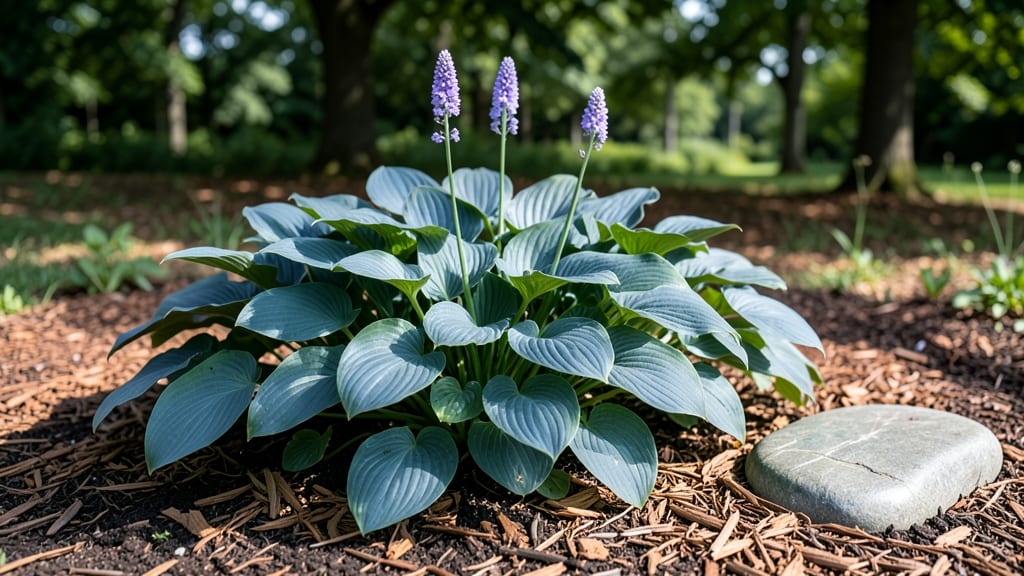
Your shady spots don’t have to be boring—partial shade perennials bring color, texture, and resilience where others fail. 🌿 I’ve transformed my own understory with plants that thrive in dappled light, from early spring blooms to late-fall interest, proving shade gardens can be just as vibrant as sunny ones.
Think hostas with their velvety leaves, heucheras in jewel-toned hues, and astilbes that dance in the breeze—these cold-hardy stars handle everything from morning sun to afternoon shade. They’re the backbone of layered borders, woodland gardens, and even container arrangements where sunlight is scarce.
The best part? Most bloom reliably year after year with minimal fuss.
You’ll create a lush, low-maintenance tapestry that keeps your garden lively from April through October, with some like coral bells and foamflower even offering winter interest. These perennials play well with others too—pair them with ferns, shrubs, or annuals for depth and drama without the sunburn risk.
Perfect for northern exposures, east-facing beds, or any spot where full sun would scorch. Let’s bring your shady corners to life with plants that don’t just survive but thrive in the shade.
📚 In This Guide
- What you need
- Instructions
- Tips and common mistakes
- Wrapping up and next steps
What you need
- ● Partial shade perennials: 5–10 plants per variety (e.g., Heuchera, Hosta, Astilbe, Ferns, or Bleeding Heart)
- ● Cold-hardy varieties (USDA Zones 3–8, depending on species)
- ● Soil amendments: 5–10 lbs of compost or well-rotted manure per planting area
- ● 2–3 lbs of organic mulch (e.g., shredded bark or pine needles)
- ● Tools: 1 garden trowel or hand shovel
- ● 1 pruning shears (for trimming dead foliage)
- ● 1 watering can or hose with a gentle spray nozzle
- ● Slow-release fertilizer (e.g., 10-10-10 or compost tea)
- ● Mulch ring or landscape fabric to retain moisture
- ● Garden gloves (to protect your hands from thorns or rough foliage)
- ● pH testing kit (to ensure soil is slightly acidic to neutral, pH 6.0–7.0)
Step-by-Step guide to designing a thriving partial shade perennial garden
Here’s how to create a lush, low-maintenance perennial garden that blooms reliably even in dappled shade.
🌱 Step 1: Select Cold-Hardy Perennials for Your Climate Zone
Choose plants rated for your USDA hardiness zone—this ensures they survive winter and thrive year after year. I always cross-reference the American Horticultural Society’s plant finder with my local conditions. For example, hostas (zones 3-9) and heucheras (zones 3-9) are foolproof, while astilbes (zones 4-9) add feathery texture and long bloom times. Avoid tropical perennials like caladiums, which won’t survive frost.
Look for multi-season interest: Start with ferns (like Ostrich Fern) for lush foliage, bleeding hearts (Dicentra spectabilis) for early spring blooms, and Japanese anemones for late-season color. These plants tolerate 3–6 hours of morning sun and dappled shade while still delivering vibrant displays. I like to sketch a quick layout before buying, grouping plants by height and bloom time to avoid competition.
🪴 Step 2: Prepare the Soil for Moisture Retention and Drainage
Partial shade gardens often have compacted or moisture-retentive soil, so amending it is critical. Work in 2–3 inches of compost and 1–2 inches of organic matter (like leaf mold or aged manure) into the top 12 inches of soil. This improves drainage while retaining moisture—essential for shade-loving perennials that dislike soggy roots. I use a broadfork to loosen the soil without disturbing the ecosystem below.
Test your soil’s pH: Most partial shade perennials prefer slightly acidic to neutral (6.0–7.0). If your soil is heavy clay, mix in sand or perlite to prevent waterlogging. For sandy soils, add peat moss or coconut coir to boost water retention. Spread a 2-inch layer of mulch (like shredded bark or pine needles) after planting to suppress weeds and regulate soil temperature.
☀️ Step 3: Plant for Layered Light and Seasonal Color
Arrange perennials in three tiers: tall (4–6 feet, like foxgloves or cimicifuga), medium (2–3 feet, such as ligularia or tiarella), and ground covers (hostas, ajuga, or sweet woodruff). Place taller plants on the north or west side of the bed to avoid shading smaller varieties. I space them 18–24 inches apart to allow airflow and reduce disease risk.
Dig holes twice as wide as the root ball but no deeper—planting too deep suffocates roots. Water each plant deeply before backfilling to eliminate air pockets. Press soil gently around the base and water again to settle. Avoid overwatering immediately after planting; instead, let the soil dry slightly between waterings to encourage strong root establishment.
💧 Step 4: Water Deeply and Adjust for Shade Conditions
Partial shade perennials need consistent moisture, especially during the first growing season. Water deeply once a week (or more in extreme heat) until the soil is 6 inches damp. Use a soaker hose or drip irrigation to deliver water at the root zone—avoid overhead watering, which can promote fungal diseases like powdery mildew. I check moisture by sticking my finger 2 inches into the soil; if it’s dry, it’s time to water.
Once established, most shade perennials are drought-tolerant, but hostas and astilbes may wilt in prolonged dry spells. If your garden has clay soil, water less frequently but more deeply to prevent surface crusting. Mulch annually in early spring to replenish organic matter and insulate roots during temperature swings.
✂️ Step 5: Prune for Health and Encourage Reblooming
Most partial shade perennials benefit from late-winter or early spring cleanup. Remove dead foliage (but leave seed heads for winter interest or bird habitat). For bleeding hearts, cut back stems to the ground after flowering, while heucheras and hostas can be trimmed lightly to shape. I avoid heavy pruning in fall, as it exposes tender stems to frost damage.
Divide crowded clumps every 3–4 years (like hostas or coral bells) in early spring or fall to rejuvenate growth. Dig up the plant, separate the roots with a clean knife, and replant the strongest sections. This prevents center die-out and keeps your garden vibrant. Fertilize lightly in early spring with a balanced, slow-release fertilizer (10-10-10) to support new growth.
Tips & tricks for thriving partial shade perennials
Creating a vibrant shade garden takes more than just planting—it’s about understanding the subtle science behind these resilient plants.
Plant Placement Strategy: In Step 3, when arranging your three-tiered design, remember that taller plants should face north or west to avoid casting shadows on smaller varieties. I’ve learned this the hard way—once, my ligularia struggled because it was placed behind a foxglove that blocked its morning light. Also, space those 18–24 inches apart to prevent competition; crowded plants lead to weak stems and fewer blooms.
Soil Science Matters: The 2–3 inches of compost and 1–2 inches of organic matter in Step 2 aren’t just random measurements—they create the perfect balance between moisture retention and drainage. For clay-heavy soils, mix in sand or perlite to break up compaction, while sandy soils benefit from peat moss or coconut coir. I test soil pH with a simple kit before planting; most shade perennials thrive in 6.0–7.0, but heucheras prefer slightly acidic soil.
Watering Wisdom: The instructions mention watering deeply once a week, but the real trick is consistency. I use a soaker hose to deliver water directly to the roots, which prevents fungal diseases like powdery mildew. Check soil moisture by sticking your finger 2 inches deep—if it’s dry, it’s time to water. For hostas and astilbes, which are more sensitive, I add a 2-inch layer of mulch to lock in moisture and regulate temperature.
Pruning Precision: When it’s time for late-winter cleanup in Step 5, resist the urge to cut everything back. Leave seed heads on plants like Japanese anemones for winter interest and bird habitat. For bleeding hearts, cut stems to the ground after flowering, but leave heucheras and hostas with a few inches of foliage—they add texture even when not in bloom. And when dividing clumps every 3–4 years, use a clean knife to avoid spreading disease.
Pro Tips for Partial Shade Perennials
- Creating a vibrant shade garden takes more than just planting—it’s about understanding the subtle science behind these resilient plants.
- Plant Placement Strategy: In Step 3, when arranging your three-tiered design, remember that taller plants should face north or west to avoid casting shadows on smaller varieties.
- Soil Science Matters: The 2–3 inches of compost and 1–2 inches of organic matter in Step 2 aren’t just random measurements—they create the perfect balance between moisture retention and drainage.
Frequently asked questions
Got questions about growing partial shade perennials?
You’re not alone! Here are answers to the most common queries to help you cultivate a thriving garden with ease.
What’s the difference between partial shade and full shade?
Partial shade typically means 3–6 hours of direct sunlight daily, while full shade gets less than 3 hours. Perennials like heuchera or astilbe thrive in partial shade but may struggle in deep shade. Observe your spot—if leaves scorch in summer, it’s likely partial shade.
When is the best time to plant partial shade perennials?
Plant in early spring or fall for ideal establishment. Spring lets roots grow before summer heat, while fall avoids drought stress. Avoid planting in peak summer—roots can dry out quickly. Pro tip: Water deeply after planting to encourage root growth!
Can partial shade perennials survive winter in cold climates?
Many are cold-hardy (USDA Zones 3–8), like hostas or foxgloves. Mulch with 2–3 inches of organic matter (like shredded leaves) to insulate roots. Evergreens (e.g., ferns) may need extra protection in harsh winters. Check your plant’s label for zone specifics!
What if my partial shade perennial isn’t blooming?
Blooms may fade due to too little light or poor soil. Try moving it to a slightly sunnier spot or fertilizing with a balanced, slow-release formula. Deadhead spent blooms to encourage reblooming. If soil is compacted, amend with compost—happy roots = happy flowers!
Are there drought-tolerant options for partial shade?
Yes! Try sedum (e.g., ‘Dragon’s Blood’), lamium, or coral bells. These perennials store water efficiently. Group them with mulch to retain moisture. Bonus: Pair with ground covers like ajuga to reduce evaporation.
Wrapping up and next steps
Partial shade perennials are the unsung heroes of your garden—thriving where others falter with minimal fuss! 🌿 From Heuchera to Astilbe, these cold-hardy beauties bring color and texture to shadier spots while demanding little extra care.
Whether you’re a seasoned gardener or just starting, they’re the perfect way to transform overlooked spaces into vibrant, low-maintenance havens.
Ready to dive in? Start small—pick one or two perennials to test your space, then expand as confidence (and blooms!) grow. Happy gardening! 🌸