
Trees
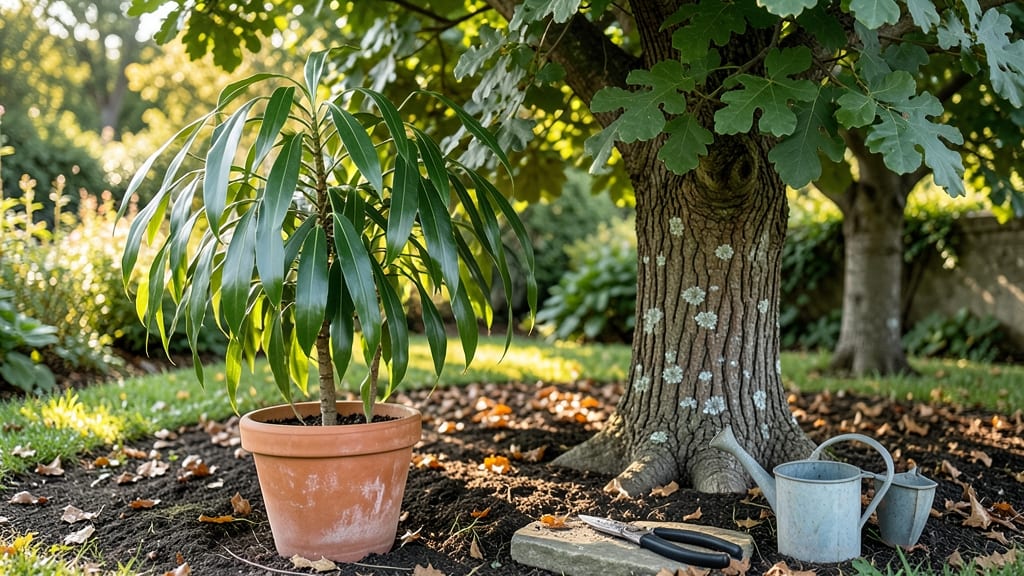
The right trees which give shade can turn your garden into a sun-soaked spot into a cool retreat where you can finally escape the summer glare—some grow too slowly, though. 🌳 I’ve planted enough of them to know which ones actually deliver that dreamy dappled light. others lose their leaves at the worst times, and a few just don’t handle your yard’s quirks.
The right shade trees, though? They’re the unsung heroes of outdoor comfort, privacy, and even property value.
Fast-growing evergreens like Leyland cypress or Emerald green arborvitae give instant shade and year-round privacy, while deciduous trees such as sugar maple or white oak let sunlight filter through in winter. The best part? Many of these thrive in low-light conditions, making them perfect for spots where other plants struggle.
I’ve even used Japanese maples in shady corners—their delicate leaves add beauty while still blocking enough sun to turn a hot afternoon into a peaceful escape.
You’ll end up with a garden that feels like a sanctuary: cooler in summer, protected from prying eyes, and still full of life. The right placement can even extend your usable outdoor space, whether that’s a patio, a play area, or just a quiet corner to read.
Plus, mature trees add value to your home—something you’ll appreciate when it’s time to sell.
Works for small backyards or sprawling estates, urban lots or rural homesteads. The key is matching the tree to your space, sunlight, and climate. Let’s pick the perfect shade-makers for your garden!
📚 In This Guide
- What you need
- Instructions
- Tips and common mistakes
- Wrapping up and next steps
What you need
- ● Shade-tolerant evergreen trees: 1–3 Japanese Holly (Ilex crenata) (3–6 ft tall, slow-growing)
- ● 1–2 Emerald Green Arborvitae (Thuja occidentalis 'Smaragd') (12–15 ft tall, dense foliage)
- ● 1 Inkberry Holly (Ilex glabra) (10–15 ft tall, drought-resistant)
- ● 1 Leyland Cypress (× Cupressocyparis leylandii) (30–60 ft tall, fast-growing for privacy)
- ● Soil amendments: 5–10 lbs compost or peat moss (per tree, for drainage)
- ○ 2–3 lbs slow-release fertilizer (10-10-10) (optional, for nutrient boost)
- ● Planting tools: 1 shovel or spade (for digging holes)
- ● 1 pruning shears (to trim roots or shape young trees)
- ● 1 garden hose or watering can (with spray nozzle)
- ● 1 measuring tape (to space trees 3–6 ft apart for mature growth)
- ● Mulch (3–4 inches of pine bark or shredded leaves) to retain moisture.
- ● Tree stakes (if planting in windy areas).
- ● Epsom salt (1 tbsp per tree) for magnesium-rich soil.
- ● Drip irrigation system for large plantings.
How to select and plant evergreen trees for year-round shade
Here's how to transform your low-light garden into a lush, private retreat using shade-loving evergreens.
🌱 Step 1: Choose the Right Evergreen Species for Your Space
Start by selecting shade-tolerant evergreens that thrive in low-light conditions. Arborvitae (Thuja occidentalis) and Eastern red cedar (Juniperus virginiana) are excellent choices—they grow steadily and provide dense, year-round coverage. For a broader canopy, consider the emerald green arborvitae, which matures at 12-15 feet tall and 4-5 feet wide. If your space is smaller, dwarf varieties like 'Emerald Green' arborvitae stay compact at 3-4 feet tall and 2 feet wide.
Check your garden's mature shade conditions—some evergreens tolerate partial shade (3-6 hours of sunlight daily), while others like the Leyland cypress prefer full sun to partial shade. Plant tags usually indicate light requirements, but I always observe the existing plants in your space for a week to gauge real sunlight patterns. This ensures your new trees won’t struggle to establish.
☀️ Step 2: Prepare the Planting Site for Low-Light Conditions
Evergreens in low-light gardens need well-draining soil with organic matter to thrive. Mix 2-3 inches of compost into the planting hole to improve soil structure and fertility. The hole should be twice as wide as the root ball but only as deep—this prevents root damage and encourages outward growth. If your soil is heavy clay, add a 5-gallon bucket of perlite to the mix to improve drainage.
Dig the hole in a location where mature foliage will provide the shade you want. For privacy screens, space trees 4-6 feet apart—this ensures they fill in quickly without overcrowding. Water the hole thoroughly before planting to settle the soil and eliminate air pockets. Here’s the thing—low-light evergreens often grow slower, so proper soil prep now means fewer struggles later.
🪴 Step 3: Plant with Care to Ensure Strong Establishment
Gently remove the tree from its container and loosen the roots if they’re circling. Place the tree in the hole so the top of the root ball sits 1 inch below the ground level—this prevents stem rot from sitting too high. Backfill with the amended soil, tamping it lightly as you go to remove air pockets. Water deeply until the soil is evenly moist to a depth of 12 inches.
Mulch around the base with 2-3 inches of shredded bark or wood chips, keeping it 6 inches away from the trunk to prevent rot. Mulch helps retain moisture and regulates soil temperature, which is critical for low-light evergreens that may grow more slowly. Avoid piling mulch against the trunk—this can suffocate roots and attract pests. After planting, water once a week for the first month to encourage root growth.
💧 Step 4: Maintain for Long-Term Health and Privacy
Low-light evergreens need consistent moisture but hate soggy roots. Water deeply every 10-14 days during the first growing season, checking that the soil is dry 2-3 inches down before watering again. Once established, they’ll tolerate drier conditions, but young trees need extra care. Fertilize in early spring with a balanced, slow-release fertilizer (10-10-10) to support steady growth.
Prune lightly in late winter or early spring to shape the tree and remove any dead or crossing branches. Avoid heavy pruning—evergreens grow slowly, and aggressive cuts can stress the plant. Watch for signs of stress like yellowing needles or stunted growth, which often indicate overwatering, poor drainage, or insufficient light. If you notice these, adjust your care routine immediately—evergreens in low-light gardens are forgiving but need consistent conditions to thrive.
⏰ Step 5: Plan for Mature Growth and Long-Term Privacy
Most evergreens take 3-5 years to reach full maturity and provide the shade you’re after. To speed up the process, plant a mix of fast-growing and slower-growing varieties. For example, pair Leyland cypress (which grows 3-4 feet per year) with Emerald Green arborvitae (which grows 1-2 feet per year). This creates a layered effect while ensuring quick coverage.
Real talk: Evergreens in low-light gardens won’t grow as fast as those in full sun, but they’ll still deliver that lush, private feel you’re after. Monitor their growth annually and adjust spacing if needed. With the right care, your shade garden will become a year-round retreat—cool, private, and full of life. Here’s where patience pays off: a well-planted evergreen screen will outlast many fast-growing alternatives, providing decades of shade and beauty.
Tips & tricks for perfect evergreen privacy screens
Here's what nobody tells you about creating a thriving shade garden that actually works.
Species Selection: Don't just grab any evergreen from the nursery! Look for tags that specify "partial shade tolerance" or "low-light conditions." I've learned this the hard way—planting Leyland cypress in full shade led to sparse growth after just two years. For guaranteed success, stick with arborvitae or Eastern red cedar, which handle 3-6 hours of sunlight daily without complaint.
Soil Prep Strategy: The 2-3 inches of compost in Step 2 isn't just about nutrients—it's about creating the perfect air-to-water ratio for roots. If your soil is particularly dense, add that 5-gallon bucket of perlite to prevent waterlogging, which is the #1 killer of low-light evergreens. Pro tip: Test your soil's drainage by digging a hole, filling it with water, and timing how long it takes to drain. If it's still wet after 24 hours, you need more amendments.
Planting Depth Secret: That 1-inch below ground level in Step 3 might seem minor, but it's critical. Too high and you risk stem rot; too low and roots suffocate. I use a simple trick: mark the root ball's top with a pencil before planting, then adjust until that mark sits 1 inch below soil level. Also, make sure to loosen circling roots—this encourages outward growth that fills in your privacy screen faster.
Watering Wisdom: The once-a-week watering for the first month is non-negotiable, but timing matters. Water in the morning so roots have all day to absorb moisture before evening evaporation. And here's a game-changer: after that initial month, check soil moisture by sticking your finger 2-3 inches down—this is more reliable than guessing by appearance, especially in low-light areas where soil stays cooler and wetter.
Pro Tips for Trees Which Give Shade
- Here's what nobody tells you about creating a thriving shade garden that actually works.
- Species Selection: Don't just grab any evergreen from the nursery!
- Soil Prep Strategy: The 2-3 inches of compost in Step 2 isn't just about nutrients—it's about creating the perfect air-to-water ratio for roots.
Frequently asked questions
Got questions about selecting, planting, or maintaining shade trees for your low-light garden? You’re not alone! Here are answers to the most common concerns—helping you pick the perfect evergreen privacy solution with ease.
What are the fastest-growing shade trees for quick privacy?
For rapid shade, consider Leyland Cypress (1–2 ft/year) or Thuja Green Giant (2–3 ft/year). Both thrive in partial shade and offer dense foliage. Just ensure your soil drains well—waterlogged roots slow growth. Need faster results? Opt for pre-grown trees (3–5 ft tall) for instant impact!
How long does it take for a shade tree to provide full coverage?
Most evergreen shade trees take 3–5 years to fill out, but growth speed depends on species, sunlight, and care. For example, Emerald Green Arborvitae matures in 5–7 years, while Italian Cypress can take 10+ years for full coverage. Pro tip: Plant multiple trees in a staggered row to create shade faster!
Can shade trees survive in deep shade (e.g., under other trees)?
Some evergreens tolerate low light, like Holly (Ilex) or Inkberry Holly, but growth will be slower. Avoid Leyland Cypress in deep shade—it needs at least 4–6 hours of sunlight daily. Test your spot with a light meter or observe how nearby plants fare. If in doubt, choose shade-tolerant varieties!
Do shade trees need pruning, and how often?
Prune once a year (late winter/early spring) to shape growth and remove dead branches. Evergreens like Arborvitae rarely need heavy pruning, but Thuja may benefit from light trimming to encourage bushiness. Warning: Over-pruning weakens trees—stick to 10–20% of foliage max per session!
What’s the best alternative if my yard has rocky or poor soil?
Rocky or clay-heavy soil? Try Dwarf Alberta Spruce (tough roots) or Dwarf Hinoki Cypress (adaptable). Amend soil with compost or pine bark to improve drainage. For extreme conditions, Boxwood shrubs (not trees) are another low-light option—just plant them in containers if soil is truly inhospitable!
Wrapping up and next steps
Transforming your low-light garden into a serene, sun-blocking oasis is easier than you think! The right shade trees—like evergreen varieties—can thrive even in less-than-ideal conditions while offering year-round privacy and relief from the sun’s intensity.
Whether you’re drawn to the elegance of a Japanese maple or the hardy resilience of a Leyland cypress, these trees bring both beauty and function to your outdoor space.
Ready to take the next step? Start small—research the best options for your climate, then plant one or two trees to test the vibe. Watch your garden bloom (literally!) into a cooler, cozier retreat. Your future self—and your skin—will thank you! 🌿☀️