
Trees
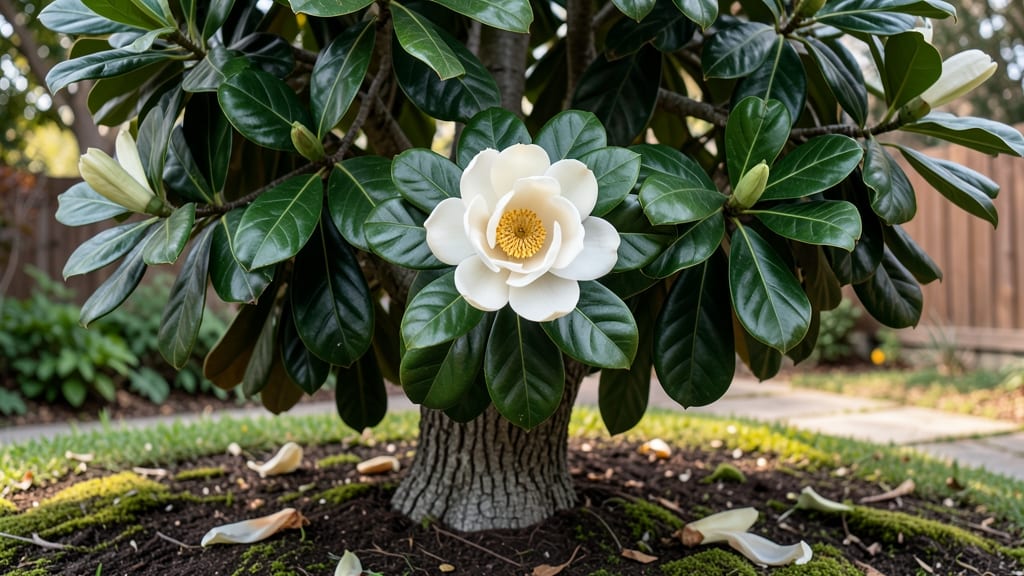
Magnolia trees bloom in Georgia during late winter through summer, with the exact timing depending on the variety and your region’s microclimate.
Picture this: the first 🌸 magnolia buds unfurling in February, their sweet fragrance cutting through the crisp Georgia air, while others wait until June to steal the show.
If you’re dreaming of a garden bursting with color, knowing these bloom windows is the key to planning—and avoiding disappointment when your tree stays stubbornly bare.
From the early-blooming Magnolia stellata (star magnolia) to the late-summer Magnolia grandiflora (southern magnolia), Georgia’s climate creates a three-month spread in bloom times. North Georgia’s cooler springs may delay flowers by weeks compared to the faster pace in the southern Piedmont.
Below, I’ll break down the month-by-month schedule for Georgia’s most popular magnolias, plus pro tips to nudge your tree into flowering earlier—or keep those blossoms coming longer. Whether you’re planting a 10-foot dwarf or a towering 60-foot giant, timing is everything.
Georgia Magnolia bloom seasons by month: what to expect statewide
Georgia’s magnolia trees create stunning floral displays that transform landscapes, but their bloom timing varies dramatically depending on the variety and region. In North Georgia, cooler temperatures often trigger earlier blooms, while South Georgia’s warmer climate can delay flowering until later in the season.
Understanding these patterns helps you select the right magnolias for your garden and anticipate their breathtaking displays.
Most magnolias bloom during spring or summer, but some varieties defy expectations by flowering in late winter or even fall.
For example, Magnolia stellata (star magnolia) often blooms as early as February in North Georgia, while Magnolia grandiflora (southern magnolia) may wait until June or July in South Georgia. This regional variation creates a year-round magnolia blooming season across the state.
Below is a detailed month-by-month breakdown of what to expect from magnolia blooms across Georgia, including key varieties and regional differences. Use this guide to plan your garden’s seasonal highlights and choose varieties that will provide continuous color.
In North Georgia, where winters are cooler, you’ll see the most dramatic early spring blooms from varieties like Magnolia stellata and Magnolia 'Jane'. These trees often begin flowering as early as late February, with peak displays in March and early April.
The cooler climate also allows some varieties to produce a second flush of blooms in late summer, creating extended seasonal interest.
South Georgia’s warmer climate creates a different blooming pattern. While you might miss the early spring displays, you’ll enjoy longer summer blooming seasons from varieties like Magnolia grandiflora and Magnolia 'Little Gem'. These trees often bloom from May through July, with some varieties continuing into August.
The heat-tolerant Magnolia 'Butterflies' is particularly stunning in South Georgia gardens, producing vibrant blooms that thrive in the summer heat.
For gardeners who want year-round interest, planting a mix of
Top 5 Georgia-friendly Magnolia varieties ranked by bloom time
Georgia’s magnolia trees offer a year-round floral parade, but their bloom times vary dramatically. Some varieties burst into early spring blooms while others wait until late summer. Choosing the right cultivar ensures your garden stays vibrant from February through September.
I’ve ranked these top 5 Georgia-friendly magnolias by bloom season, fragrance, and cold hardiness to help you plan your landscape with confidence.
For early bloomers, the Star Magnolia (Magnolia stellata) takes center stage with its delicate pink flowers appearing as early as February. This cold-hardy variety thrives in Georgia’s Zone 7b-8b and tolerates late frosts better than most.
Its compact size (15-20 feet) makes it perfect for small yards or as a specimen plant near patios where you can enjoy its sweet fragrance up close.
🌸
The Saucer Magnolia (Magnolia × soulangeana) follows closely in March with its iconic cup-shaped blooms. This hybrid variety boasts vibrant pink and white flowers that often re-bloom lightly in late summer.
To extend its bloom duration, I recommend planting it in partial shade—especially in Georgia’s hotter southern regions—to protect the delicate petals from afternoon sun scorch.
For mid-season drama, the Sweetbay Magnolia (Magnolia virginiana) steals the show in May-June with its fragrant white flowers. This wetland-adapted variety thrives in Georgia’s humid climate and even tolerates occasional flooding.
Its glossy leaves add year-round interest, making it a low-maintenance workhorse for gardens with moist soil conditions. Prune lightly after flowering to maintain its natural shape.
🌿
If you crave summer blooms, the Southern Magnolia (Magnolia grandiflora) delivers from June through August with its iconic large, creamy-white flowers. While less fragrant than its spring counterparts, its evergreen foliage provides year-round structure.
This variety handles Georgia’s heat and humidity exceptionally well but requires well-draining soil to prevent root rot—a common issue in heavy clay soils like those found in North Georgia.
Rounding out the list is the Cucumbertree Magnolia (Magnolia acuminata), which blooms in late May-June with unique yellow-green flowers that resemble cucumbers. This tough, native variety thrives in Georgia’s Zone 5-9 and produces edible (though bitter) seed pods that birds adore.
To encourage abundant blooms, I fertilize mine in early spring with a balanced 10-10-10 formula and mulch heavily to retain moisture during Georgia’s hot, dry summers.
🪴