
Pests and Diseases
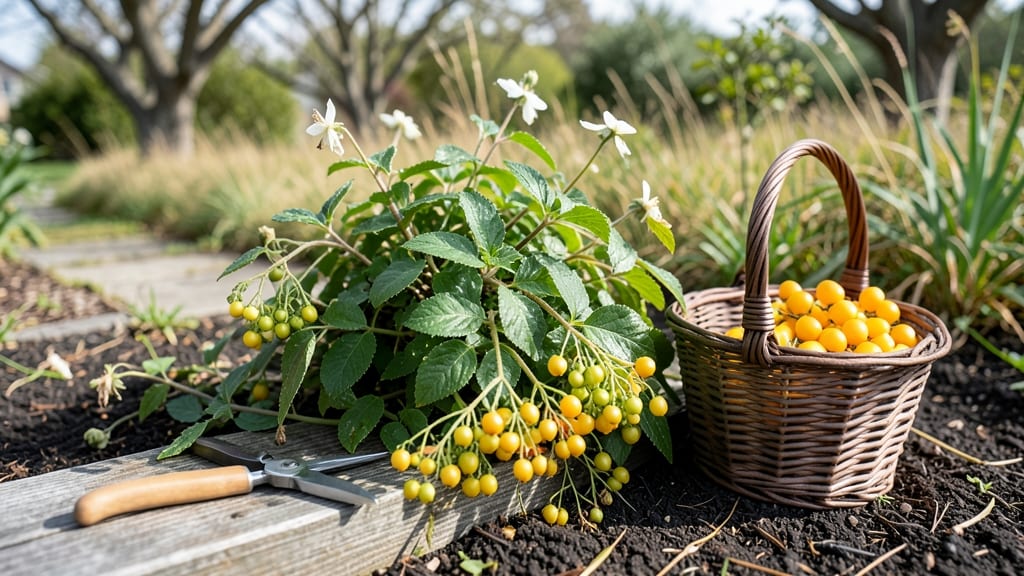
Those bright yellow berries in your garden aren’t just pretty—they’re deadly. 🌿 Yellow nightshade (Solanum nigrum) looks like a harmless ornamental, but its berries contain toxic alkaloids that can poison pets and children.
One bite can cause vomiting, diarrhea, or even neurological damage, yet many gardeners mistake it for edible nightshades like tomatoes.
Here’s the kicker: it thrives in disturbed soil, popping up after tilling or where tomatoes grew last season. The key to spotting it is the leaves—shiny, oval, and arranged in pairs—plus those clusters of tiny yellow berries that turn black when ripe.
If you’ve ever thought, "That looks like a mini tomato plant," you’ve likely seen this invader.
Removing it is straightforward but requires vigilance. Pull young plants by hand, wear gloves, and dispose of them in sealed trash (don’t compost!). For established patches, smother with cardboard or mulch to block sunlight.
The goal isn’t just to protect your garden—it’s to keep your family and pets safe from a silent threat lurking in the leaves.
Once you know what to look for, spotting yellow nightshade becomes second nature. Check your garden edges, under shrubs, and along fences—these are its favorite hiding spots. A little awareness now prevents a lot of heartache later. Stay sharp, and your garden stays safe.
How Toxic Berries Invade Gardens
Those bright yellow berries dangling from vines or shrubs might look like harmless decorations, but they’re often a deadly mimic—a sneaky survival trick used by toxic plants like Solanum species (including yellow nightshade).
Understanding why these berries appear—and why they’re so dangerous—starts with the science behind their evolutionary strategy and environmental triggers. Here’s why they’re such a persistent (and perilous) presence in gardens.
Yellow nightshade berries aren’t just a fluke—they’re a deliberate survival tactic. These plants evolved to resemble edible fruits (like tomatoes or huckleberries) to attract seed-dispersing animals, such as birds and rodents. The twist?
Once ingested, the berries cause nausea, vomiting, or even paralysis—ensuring the animal (and its seeds) won’t return. This chemical deterrent is a trade-off for survival: the plant sacrifices a few potential dispersers to protect its genetic line.
Key factors that make this deception effective:
- Bright coloration: Yellow and orange berries stand out against green foliage, mimicking ripe, nutritious fruits.
- Smooth, glossy texture: Tricks mammals and birds into thinking they’re safe to eat.
- Timing: Berries ripen in late summer/fall, when food is scarce, increasing the likelihood of consumption.
Pro Tip: 🔍 Always examine unknown berries before assuming they’re safe—especially if they’re clustered in threes or grow on vines with spiky leaves.
Yellow nightshade and its toxic relatives love disturbed soil. They’re opportunistic weeds that exploit gardens, farmlands, and even cracks in pavement. Here’s what gives them the upper hand:
| Factor | Why It Helps Them Spread |
|---|---|
| 🌞 Full sun exposure | These plants thrive in 6+ hours of direct sunlight, common in vegetable gardens and open landscapes. |
| 💧 Moderate water | They tolerate drought but prefer consistent moisture, making them resilient in many climates. |
| 🏡 Poor soil quality | Unlike picky perennials, they don’t need rich soil—they’ll grow in compacted or nutrient-poor areas. |
| 🌱 Human activity | Tilling, mulching, or even walking on soil can disturb roots, creating perfect germination spots. |
Actionable Fix: ✨ Reduce their habitat by:
- Mulching heavily to block sunlight.
- Avoiding over-watering in problem areas.
- Testing soil pH—yellow nightshade prefers slightly acidic to neutral (6.0–7.0).
Birds, squirrels, and even deer unwittingly become garden invaders. Here’s how:
- 🐦 Seed dispersal: Animals eat the berries, pass the seeds through their digestive tract, and deposit them far from the parent plant—often in fertile garden soil.
- 🌱 Root fragments: Deer or humans might uproot plants while grazing or weeding, leaving behind viable root sections that regrow.
- 🚜 Contaminated tools: Pruners, shovels, or even boots can transfer seeds or soil between gardens.
Pro Tip: 🚫 If you spot yellow berries on wildlife-feeding stations, remove them immediately—birds may carry seeds to your garden.
One of the most dangerous reasons these berries persist is human error. Their resemblance to:
- 🍅 Tomatoes (especially green or unripe ones).
- 🫐 Grapes or huckleberries (when clustered).
- 🍒 Cherry tomatoes (small, round, and yellow).
The risk? Even a few berries can cause:
- 🤒 Gastrointestinal distress (vomiting, diarrhea).
- 😵 Neurological symptoms (dizziness, hallucinations in severe cases).
- 🚑 Cardiac issues (in rare, high-toxicity exposures).
Critical Rule: 🔥 Never eat unknown berries—when in doubt, throw it out.
Quick Fixes for Berry Threats
If you’ve spotted bright orange-red berries in your garden that resemble edible fruits but aren’t—like those from Solanum species—act fast. These toxic lookalikes can harm pets, wildlife, and even humans if ingested.
Below, we break down practical solutions tailored to the root cause of the problem, from identification to removal and prevention.
Before taking action, ensure those berries are indeed toxic nightshade. Here’s how:
- 📸 Snap a photo: Compare the plant’s leaves, stems, and berries to trusted resources like the USDA database or local agricultural extensions.
- 🌱 Check the plant’s growth: Nightshade plants often have hairy stems, lobed leaves, and clustered berries. Edible lookalikes (like tomatoes or peppers) typically grow on taller, bushier plants.
- 🚨 When in doubt, assume it’s toxic: Never risk ingestion—especially if kids or pets are around.
Once confirmed, eliminate the plant using these methods:
🔥 Manual Removal (Best for Small Patches)
- 👨🍳 Wear gloves and long sleeves: Toxic sap can irritate skin.
- 🌿 Pull or dig up roots: Use a garden fork to avoid breaking stems (which can regrow).
- 🗑️ Bag and dispose: Place the entire plant in a sealed trash bag—do not compost. Check local regulations, as some areas require special disposal for invasive species.
💀 Chemical Control (For Large Infestations)
- 🌱 Apply herbicide: Use a glyphosate-based or vinegar-based spray (20% acetic acid) on the foliage. Reapply every 3–5 days until the plant wilts.
- ⚠️ Safety first: Spray only on windless days and avoid overspraying edible plants. Follow label instructions precisely.
🐛 Biological Controls (Long-Term Solution)
- 🐛 Introduce natural predators: Some beetles (like the Leptinotarsa decemlineata) feed on nightshade plants. Check with local nurseries for region-specific solutions.
- 🌱 Plant competitive ground covers: Dense mulch or clover can outcompete nightshade seedlings for sunlight and nutrients.
Once your garden is clear, take these proactive steps to keep toxic berries at bay:
🌱 Garden Design Tips
- 🌿 Plant barriers: Surround vulnerable areas with native perennials or ornamental grasses that nightshade plants avoid.
- 🌍 Choose resistant varieties: Opt for Solanum-resistant ground covers like Ajuga reptans (bugleweed) or Lamium galeobdolon (yellow archangel).
🕵️♂️ Regular Monitoring
- 🔍 Inspect weekly: Scan your garden for new seedlings or unexpected berries, especially after rain (when seeds germinate).
- 📅 Mark the calendar: Nightshade seeds can lie dormant for years—stay vigilant even in "clean" areas.
🚫 Education & Safety
- 📢 Warn household members: Teach kids and pets to avoid bright red/orange berries and report unknown plants.
- 📋 Create a garden map: Label known toxic plants (like deadly nightshade or jimsonweed) to prevent accidental ingestion.
- 🌡️ Solarize the soil: Cover infested areas with clear plastic for 4–6 weeks in hot weather. The trapped heat kills seeds and roots.
- 🎯 Use a flame weeder: For stubborn sprouts, a propane torch can singe nightshade seedlings without chemicals.
- 📊 Track your progress: Keep a journal of removal dates and prevention methods to refine your strategy over time.
With these targeted fixes, you’ll reclaim your garden—berry-free and safe. Stay proactive, and those toxic lookalikes won’t stand a chance! 🌱🚫
Frequently asked questions
What exactly makes yellow nightshade berries toxic?
These berries contain solanine and other toxic alkaloids that can cause severe gastrointestinal distress, neurological symptoms, or even paralysis in extreme cases. Just 1-2 berries may trigger vomiting or diarrhea in children, while larger quantities pose serious risks to pets. The toxicity varies by species—Solanum nigrum (black nightshade) is the most common culprit.
How can I tell yellow nightshade apart from edible plants like tomatoes?
Look for these key differences: yellow nightshade has shiny, oval leaves arranged in pairs along the stem, while tomatoes have rougher, more lobed leaves. The berries grow in tight clusters (not hanging like tomatoes) and turn black when ripe. Also check the stem—nightshade stems are hairy and more brittle than tomato vines.
Are yellow nightshade berries dangerous to pets?
Absolutely—they’re especially risky for dogs and cats. Even small amounts can cause drooling, seizures, or heart issues. Birds may eat them without harm, but they spread the seeds. If your pet ingests any, contact your vet or the ASPCA Poison Control immediately. Prevention is key: remove plants before they produce berries.
Can I safely compost yellow nightshade plants?
No! Composting spreads seeds and toxins. Always dispose of the entire plant (roots and all) in sealed trash. The heat of compost piles won’t neutralize the toxins or kill dormant seeds—both can survive and regrow. For large infestations, check local regulations on invasive species disposal.
Will vinegar kill yellow nightshade plants?
Yes, but use full-strength vinegar (20% acetic acid) applied directly to the leaves. Reapply every 3-5 days until the plant wilts. For stubborn roots, combine with dish soap to break surface tension. This method works best for small patches—larger infestations may need herbicides or repeated treatments.