
Advice
Selecting plants from ESBenshades Nursery in Lititz means prioritizing light compatibility—sun-hungry plants like coneflowers or daylilies excel in full sun areas, while shade-friendly choices like astilbe or bleeding heart thrive in low-light spots—and focusing on cultivars with proven disease resistance and consistent flowering seasons.
Lititz's variable sunlight patterns—from bright morning sun to afternoon shade—make light assessment your first step. 🌿 Many gardeners overlook microclimates, like north-facing walls that stay shaded all day, which can make the difference between a thriving plant and a struggling one.
At ESBenshades, staff often recommend testing your yard's light conditions for a week before selecting plants, as this helps avoid costly mistakes with sun requirements.
For bloom reliability, look beyond just pretty flowers—check for Pennsylvania-adapted hybrids that handle our humid summers and variable winters.
The nursery's seasonal bloom charts (available online) show which cultivars deliver consistent color from spring through fall, while customer reviews often highlight which varieties resist common local pests like Japanese beetles or powdery mildew.
💡 In This Article
- Matching ESBenshades Plants to Lititz’s Sunlight Zones
- Evaluating Bloom Reliability at ESBenshades Nursery
Matching ESBenshades plants to Lititz’s sunlight zones
Lititz’s climate creates a unique patchwork of sunlight conditions—think of the bright, unfiltered sun hitting your south-facing garden in summer versus the dappled shade under mature trees.
The nursery’s experts categorize plants into three key light zones: full sun (6+ hours of direct light daily), partial shade (3-6 hours), and full shade (less than 3 hours).
For example, black-eyed Susans or shasta daisies crave full sun, while Japanese painted ferns or heucheras thrive in shade.
What’s fascinating is how even a 3-foot difference in elevation can shift your yard from partial shade to full sun—this is why ESBenshades recommends testing light conditions for a week before planting.
The nursery’s seasonal light maps (available for free) show how sun patterns change from spring to fall—something many gardeners overlook. In Lititz, morning sun is often gentler than afternoon rays, which can scorch delicate leaves.
For instance, peony bushes need full sun but will bolt in afternoon heat unless planted where they get morning light only. Meanwhile, hostas (a Lititz favorite) can handle partial shade but will develop pale, weak foliage if planted in full sun.
The trick is observing your yard at different times of day—what looks like full sun at noon might be partial shade by late afternoon.
Microclimates are where the magic—and mistakes—happen. A north-facing wall stays cool and shaded, perfect for astilbe or bleeding heart, while a south-facing slope gets intense heat, ideal for lavender or roses.
At ESBenshades, staff often point out how container gardening solves this puzzle—you can move pots to follow the sun! For example, a tomato plant might need full sun in summer but benefit from afternoon shade in peak heat.
The nursery’s light meter tool (available for checkout) helps quantify these zones, so you’re not guessing.
Don’t underestimate the role of reflective surfaces—light-colored walls or pavement can bounce extra sunlight, turning a partial-shade spot into a sun trap. This is why sun-loving annuals like zinnias sometimes thrive in unexpected places. Conversely, dark mulch absorbs heat, creating microclimates that mimic full sun even in shaded areas.
The nursery’s shade-tolerant perennials, like foamflower or sweet woodruff, are selected for their ability to handle these subtle light shifts without stress.
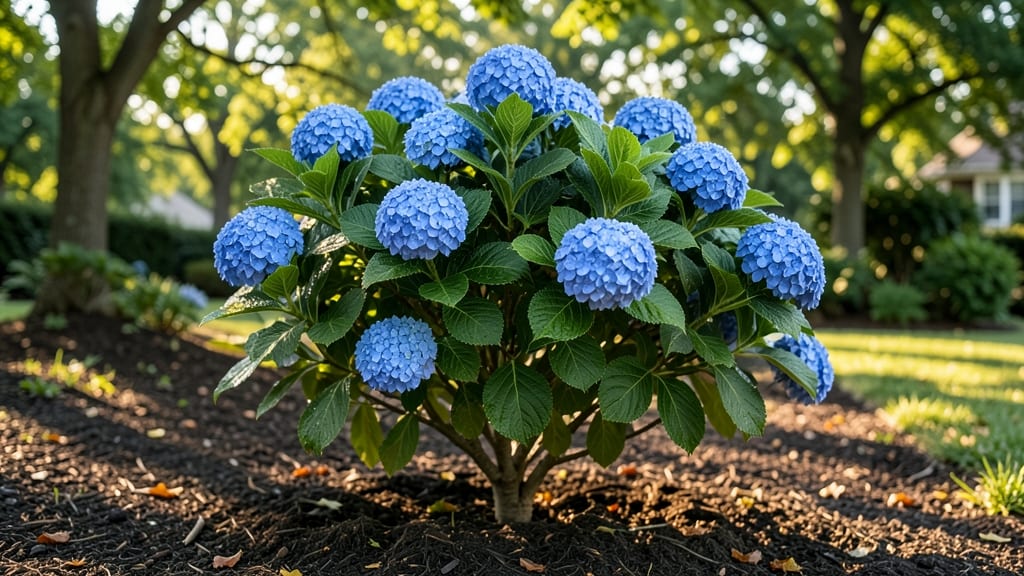
For shrubs, the stakes are even higher. Hydrangeas, for example, need partial shade to prevent leaf scorch, while butterfly bushes flourish in full sun. ESBenshades’ tags often note whether a cultivar is “sun-tolerant” (can handle 6+ hours) or “shade-adapted” (thrives with 3 or fewer).
Pro tip: If you’re unsure, ask staff about “transition zones”—areas where plants can adapt to shifting light, like the edge of a woodline where sun filters through.
Here’s a quick cheat sheet for Lititz’s most popular plants and their light needs:
- Full Sun (6+ hours): Lavender, coneflowers, daylilies, Russian sage
- Partial Shade (3-6 hours): Hostas, astilbe, heucheras, hydrangeas
- Full Shade (less than 3 hours): Ferns, bleeding heart, Japanese painted fern
Remember, even the hardiest plants can struggle if placed incorrectly. The nursery’s plant health guarantee covers mistakes for 30 days—so it’s worth taking the time to match your yard’s light zones to the right plants. 🌞