
Blooming
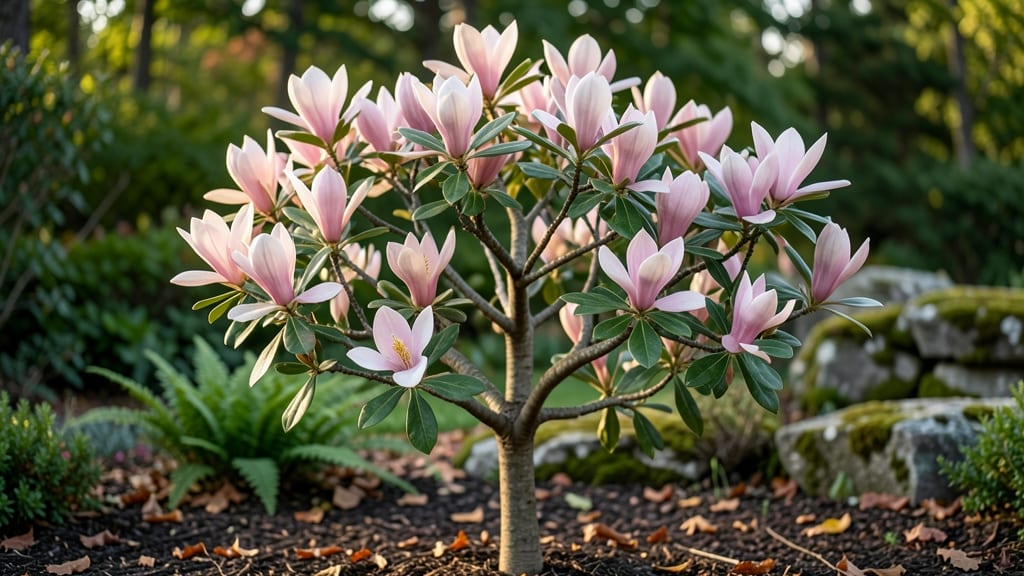
The magnolia tree bloom time shifts dramatically depending on your heat zone — and knowing these windows can mean the difference between a showstopping spring display and waiting all season for flowers that never arrive.
If you’ve ever stood in your yard in late April, staring at a magnolia tree with buds that refuse to open, you’re not alone.
The truth is, Southern Magnolias 🌸 in Zone 7 might bloom in May, while Star Magnolias in Zone 5 could burst into color as early as March. These differences aren’t random; they’re tied to temperature patterns that gardeners can actually predict.
Understanding your local heat zone isn’t just about patience—it’s about strategy. Warmer zones push blooms later, while colder climates often see earlier flowers. The key lies in recognizing the three critical factors that control when your magnolia will shine: winter chilling hours, spring warmth, and summer heat buildup.
In this guide, I’ll break down exactly what to expect in your zone, how to spot the signs your tree is about to bloom, and the simple care tweaks that can bring forward those show-stopping flowers by weeks. No more guessing—just science-backed timing for your magnolia’s grand entrance.
Magnolia bloom time by USDA heat zones: what to expect each season
Magnolia trees are famous for their stunning spring blooms, but their bloom time varies dramatically depending on your USDA heat zone.
In colder zones like Zone 4, magnolias often bloom in late April or May, while in warmer Zone 10, they may flower as early as February or even late January. This shift happens because magnolias need a combination of winter chilling hours and spring warmth to trigger flowering.
The key to predicting your magnolia’s bloom schedule lies in understanding how your local climate interacts with the tree’s natural cycles.
For example, a Southern Magnolia (Magnolia grandiflora) in Zone 7 might bloom in March, while a Star Magnolia (Magnolia stellata) in the same zone could flower a full month earlier in February. These differences are critical for gardeners planning their spring landscapes.
Below is a detailed breakdown of magnolia bloom times across USDA Zones 4-10, including early, mid, and late bloomers. Use this guide to anticipate when your tree will burst into color and adjust your gardening plans accordingly.
| USDA Zone | Early Bloomers | Mid-Season Bloomers | Late Bloomers | Key Climate Note |
|---|---|---|---|---|
| Zone 4 | Late April | Early May | Mid-May | Needs 600+ chilling hours; blooms after last frost. |
| Zone 5 | Early April | Late April | Early May | Moderate chilling; blooms with consistent spring warmth. |
| Zone 6 | Late March | Early April | Mid-April | 450-600 chilling hours; sensitive to late frosts. |
| Zone 7 | February | March | Early April | 300-450 chilling hours; blooms with early warmth. |
| Zone 8 | January | February | March | 200-300 chilling hours; blooms with mild winters. |
| Zone 9 | December | January | February | 100-200 chilling hours; blooms with winter warmth. |
| Zone 10 | November | December | January | Minimal chilling; blooms with seasonal cues. |
🌱 Note: Bloom times shift 2-4 weeks earlier in warmer microclimates (e.g., urban heat islands).
In Zone 4, where winters are harsh, magnolias typically bloom in late April or May because they need 600+ chilling hours to break dormancy. These trees often wait until after the last frost to flower, ensuring their delicate blooms aren’t damaged by late-season cold snaps.
If you’re in this zone, monitor your local frost dates
How heat zones alter magnolia flowering: 3 key factors to watch
Magnolia trees are finicky about timing—especially when it comes to heat zones. In USDA Zones 6-8, where winters are mild but summers can swing wildly, your tree’s blooming schedule might feel like a guessing game.
The truth? Temperature fluctuations during spring warmth, summer heat, and fall chilling hours directly control when those iconic flowers appear. Understanding these three factors can help you predict—and even influence—your magnolia’s bloom time.
For example, a Southern Magnolia in Zone 7 might bloom later than expected if last winter’s chilling hours fell short, while a Star Magnolia in Zone 6 could surprise you with early flowers if spring warmth arrives ahead of schedule.
The key is recognizing how these climate cues interact with your local microclimate—and adjusting your care routine accordingly.
- Fall Chilling Hours: Most magnolias need 400–1,000 hours below 45°F to set buds. In Zone 6-7, a mild winter can delay blooms until late April or May.
- Spring Warmth Threshold: Buds typically swell when daytime temps hit 50–55°F consistently. In Zone 8, this can happen as early as February, while Zone 6 may wait until April.
- Summer Heat Stress: Extended 90°F+ temps can cause buds to abort. In Zone 7b, afternoon shade or deep watering can protect buds from heat shock.
Let’s start with fall chilling hours, the most misunderstood factor. Many gardeners assume colder winters = earlier blooms, but it’s actually the duration of cold that matters.
A Star Magnolia in Zone 6 might bloom in late March if it gets 800 chilling hours, but skip blooms entirely if winters dip below 30°F for too long. To check your local chilling hours, use a weather station app or your USDA Plant Hardiness Zone map.
Next, pay attention to spring warmth thresholds. Magnolias are sensitive to consistent temperature rises, not just the first warm day. For instance, a Saucer Magnolia in Zone 7 won’t bloom until nighttime temps stay above 40°F for 5–7 days.
If you’re in a transitional zone (like Zone 6b–7aearly-blooming cultivars like ‘Elizabeth’ or ‘Ann’ to hedge your bets.
Finally, don’t underestimate the impact of summer heat stress. Once buds form in spring, a heatwave in June or July can trigger bud abortion, especially in Zone 8+.
To mitigate this, mulch heavily around your tree’s base to retain soil moisture and avoid overhead watering, which can stress the roots. If your area experiences consistent 90°F+ days, opt for heat-tolerant varieties like ‘Little Gem’ or ‘Bracken’s Brown Beauty’.
For gardeners in Zones 6–8, where blooms can feel like a mystery, the solution is simple: track your microclimate. Install a soil thermometer near your tree’s roots to monitor chilling hours and spring warming trends.
Adjust your watering schedule based on summer heat alerts, and choose cultivars matched to your zone’s extremes. With these tweaks, you’ll turn uncertainty into predictable spring color. 🌸