
Flowers
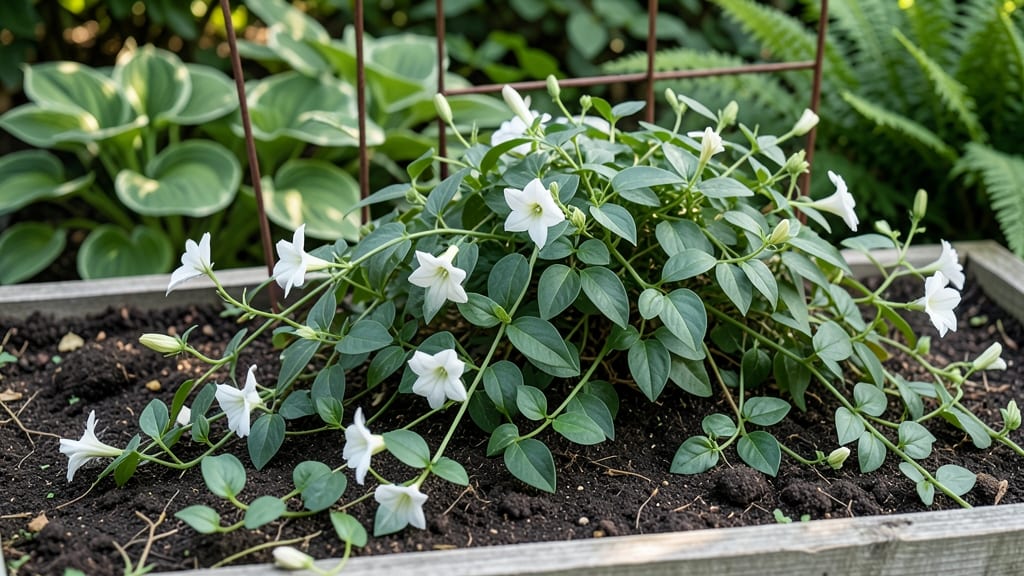
Your darkest garden corners can become the most dramatic focal points with the right shade-loving flowers. 🌿 These night-shade flowers thrive where sunlight struggles, offering velvety textures and deep hues that glow under moonlight or soft outdoor lighting.
Think beyond traditional shade plants—this is where moon gardens come alive with silver-leaved heucheras, midnight-blue lobelias, and fragrant night-blooming jasmine. The key is pairing plants with contrasting foliage and strategic lighting to highlight their natural beauty without harsh chemicals.
You’ll create a lush, low-maintenance retreat that feels magical at dusk. The combination of deep purples, silvers, and whites creates visual depth, while the scent of evening-blooming flowers adds another layer of sensory delight—perfect for unwinding after sunset.
Works in any shaded spot—under trees, along north-facing walls, or tucked into corners where sunlight barely reaches. Let’s design a garden that shines even when the sun goes down.
📚 In This Guide
- What you need
- Instructions
- Tips and common mistakes
- Wrapping up and next steps
What you need
- ● Night-shade flowers: Choose from Belladonna (Atropa belladonna), Datura (Datura spp.), or Moonflower (Ipomoea alba). 1-2 plants per arrangement (or 5-10 stems for bouquets). ⚠️ Ensure these are grown in controlled environments and non-toxic varieties if used decoratively.
- ● Fresh or dried foliage: Eucalyptus, ivy, or black mondo grass (1-2 sprigs per arrangement for contrast).
- ○ Floral preservative: 1 packet (e.g., Floralife) to extend vase life (optional but recommended).
- ● Floral shears or sharp scissors: 1 pair (clean, sanitized).
- ● Clear or dark glass vase: 1 medium-sized (8-12 inches tall).
- ● Pebbles or floral foam: 1 small bag (for drainage and stability).
- ○ Black or deep purple ribbon: 1 roll (for tying stems, optional).
- ○ Gloves (optional): 1 pair (nitrile gloves if handling Datura or Belladonna to avoid skin contact).
- ● 🌡️ Work in cool conditions: Night-shade flowers wilt faster in heat—trim stems in a shaded area.
- ● ✨ Use distilled water: Tap water can shorten vase life due to chlorine or minerals.
- ● 🚫 Avoid mixing with edible flowers: Keep night-shade flowers separate from kitchen or dining areas.
Step-by-step guide to designing a stunning night shade flower garden
Transform your darkest garden corners into moody, elegant spaces using these striking, low-light thrivers.
🌱 Step 1: Select Your Night Shade Flower Varieties
Start with 4 toxic-free night shade varieties that thrive in shade: Belladonna Lily (Amaryllis belladonna), Black Baccara Lily, Dark Purple Hellebore, and Moonflower Vine (Ipomoea alba). These plants naturally adapt to low-light conditions while delivering deep blacks, purples, and whites that pop in shadowy spaces. I always choose at least two climbing varieties (like Moonflower) to add vertical drama, and two ground-hugging types (like Hellebore) for texture.
Check your garden's light conditions—true shade (less than 3 hours of direct sun) suits these best, while partial shade (3-6 hours of sun) works for more sun-tolerant types like Black Baccara. You'll see the most vibrant colors in areas with dappled light, where sunlight filters through trees or structures. Avoid full sun spots, as these plants can scorch easily.
☀️ Step 2: Prepare the Planting Site
Night shade flowers prefer well-draining, slightly acidic soil with a pH between 6.0 and 6.5. Work in 3-4 inches of compost and 1 cup of perlite per planting hole to improve drainage—these plants rot quickly in soggy soil. I like to dig holes twice as wide as the root ball but only as deep as the container's height to prevent burying stems too deeply.
For climbing varieties, install 3-4 foot trellises or obelisks near the planting site. Moonflower vines grow aggressively and need sturdy support to prevent breakage. If your soil is heavy clay, mix in 2 gallons of coconut coir per square foot to lighten it. You'll know your soil is ready when it crumbles easily between your fingers and holds moisture without becoming waterlogged.
🪴 Step 3: Plant With Proper Spacing and Support
Space ground-covering hellebores 18-24 inches apart and climbing varieties like Moonflower 3-4 feet apart to allow for mature growth. Dig a hole slightly larger than the root ball, place the plant in, and backfill with native soil mixed with 1/4 cup of bone meal for phosphorus—this encourages strong root development and vibrant blooms. Press the soil gently around the roots to remove air pockets but avoid compacting it.
For climbing plants, gently weave the stems through the trellis as you plant, securing them with soft plant ties. Avoid wrapping the ties too tightly—they should loosen as the vine thickens. Water deeply after planting to settle the soil and encourage root contact. You'll see the first signs of establishment when new leaves emerge within 2-3 weeks, signaling that the roots have begun spreading.
💧 Step 4: Water and Mulch for Low-Maintenance Growth
Water newly planted night shade flowers once every 3-4 days until established, keeping the soil evenly moist but not soggy. After the first month, reduce watering to once a week unless your area experiences extreme heat or drought. These plants are drought-tolerant once established, but consistent moisture during their first season ensures strong root growth. You'll know they're thriving when the foliage stays deep green and firm to the touch.
Apply 2-3 inches of shredded bark mulch around the base of each plant, keeping it 2 inches away from the stems to prevent rot. Mulch helps retain moisture, suppresses weeds, and regulates soil temperature. Replenish mulch annually in early spring to maintain its insulating properties. Avoid over-mulching, as too much can smother the plants and attract pests.
✂️ Step 5: Prune and Maintain for Year-Round Interest
Prune spent blooms immediately after flowering to encourage a second flush of blooms, especially for hellebores and lily varieties. Use clean, sharp pruners and cut back to the first set of healthy leaves. For climbing Moonflowers, trim back leggy growth in late winter to shape the plant and promote bushier growth. You'll see new shoots emerge within 3-4 weeks of pruning, indicating the plant is responding well.
Fertilize lightly in early spring with 1/2 cup of 5-10-10 fertilizer per plant to support new growth. Avoid high-nitrogen fertilizers, which promote leafy growth at the expense of flowers. In fall, apply 1/4 cup of compost around each plant to replenish nutrients. Night shade flowers are generally low-maintenance, but regular checks for aphids or spider mites (common in shaded gardens) will keep them looking their best.
Tips & tricks for stunning night shade flower gardens
Here's what I've learned after creating dramatic, low-light gardens that thrive in shadowy corners.
Lighting Strategy: The 3-hour true shade guideline is your baseline, but don't be afraid to experiment with 3-6 hours of partial shade for more sun-tolerant varieties like Black Baccara. I've found that positioning plants where morning sun filters through trees creates the most vibrant foliage and flower colors. For maximum drama, place your darkest varieties (like Belladonna Lily) in the deepest shade, while lighter Moonflowers can handle slightly more light. The key is observing how light shifts throughout the day—what might be deep shade in winter could become partial shade in summer.
Soil Preparation Secret: That 6.0-6.5 pH range is crucial, but don't stress about perfect measurements—your plants will tell you if you're close. I test soil with a simple kit before amending, but even without precise readings, adding 3-4 inches of compost and 1 cup of perlite per hole creates the right foundation. For heavy clay soil, the 2 gallons of coconut coir per square foot makes all the difference in preventing waterlogging. Pro tip: Mix a handful of coffee grounds into each planting hole—they naturally acidify the soil and provide nitrogen for lush growth.
Plant Support System: When installing those 3-4 foot trellises for climbing varieties, I always use metal or heavy-duty plastic rather than wood to prevent rot. For Moonflowers specifically, I recommend installing trellises at planting time rather than waiting—these vines grow aggressively and can become unwieldy. The soft plant ties should be checked every 2-3 weeks as the vines thicken, adjusting them to prevent constriction. I've seen too many beautiful gardens ruined by vines strangling themselves on tight ties.
Pruning Precision: That immediate post-flowering prune is where you'll see the biggest difference in repeat blooms. For hellebores, I cut back to the first healthy leaf set, but for lily varieties, I make a slightly deeper cut to encourage stronger stems next season. The 3-4 week window for new growth after pruning is your best indicator of whether you're doing it right—if you don't see fresh shoots, you may have pruned too aggressively. For Moonflowers, I do a separate winter prune to remove any dead growth, which prevents disease buildup.
Pro Tips for Night Shade Flowers
- Here's what I've learned after creating dramatic, low-light gardens that thrive in shadowy corners.
- Lighting Strategy: The 3-hour true shade guideline is your baseline, but don't be afraid to experiment with 3-6 hours of partial shade for more sun-tolerant varieties like Black Baccara.
- Soil Preparation Secret: That 6.0-6.5 pH range is crucial, but don't stress about perfect measurements—your plants will tell you if you're close.
Frequently asked questions
Got questions about growing or using night shade flowers? Here are some of the most common concerns—plus easy solutions!
Are night shade flowers really toxic?
Yes, many night shade flowers (like Belladonna or Deadly Nightshade) contain toxic alkaloids. However, non-toxic varieties like Petunia, Datura (in moderation), or Black Baccara petunias are safe for gardens and arrangements. Always research before handling!
When is the best time to plant night shade flowers?
Most thrive in spring or early summer after the last frost. For warm climates, fall planting works too. Choose a spot with 6+ hours of sunlight—they love warmth but hate soggy soil. Pro tip: Use mulch to retain moisture without overwatering!
Can I grow night shade flowers in containers?
Dwarf varieties like Black Velvet Petunias or Moonflower (a non-toxic option) do well in pots. Just ensure containers have drainage holes and use a well-draining potting mix. Rotate pots for even sunlight exposure.
How do I keep them looking fresh in arrangements?
Trim stems at an angle, remove lower leaves, and change water every 2–3 days. Add a flower food packet to extend vase life. For dark blooms, avoid direct sunlight—it can fade rich colors faster. Keep arrangements in a cool spot!
What do I do if someone touches a toxic night shade plant?
Rinse skin with soap and water immediately. If ingestion occurs, call Poison Control (1-800-222-1222) or seek emergency care. Keep plants out of reach of pets/kids. Opt for non-toxic alternatives like Black Calathea or Dark Opal Begonias for worry-free growing!
Wrapping up and next steps
Night shade flowers bring a dramatic, moody elegance to any space—whether you’re crafting a stunning bouquet, designing a dark-themed garden, or adding a touch of gothic romance to your home. With the right toxic-free care and creative flair, these beauties thrive while keeping your environment safe and stylish. 🌙✨
Ready to dive deeper? Experiment with arrangements, mix textures, or even grow your own! Start small—pick one variety, gather your supplies, and let your imagination bloom. The world of night shade flowers is waiting for your unique touch.